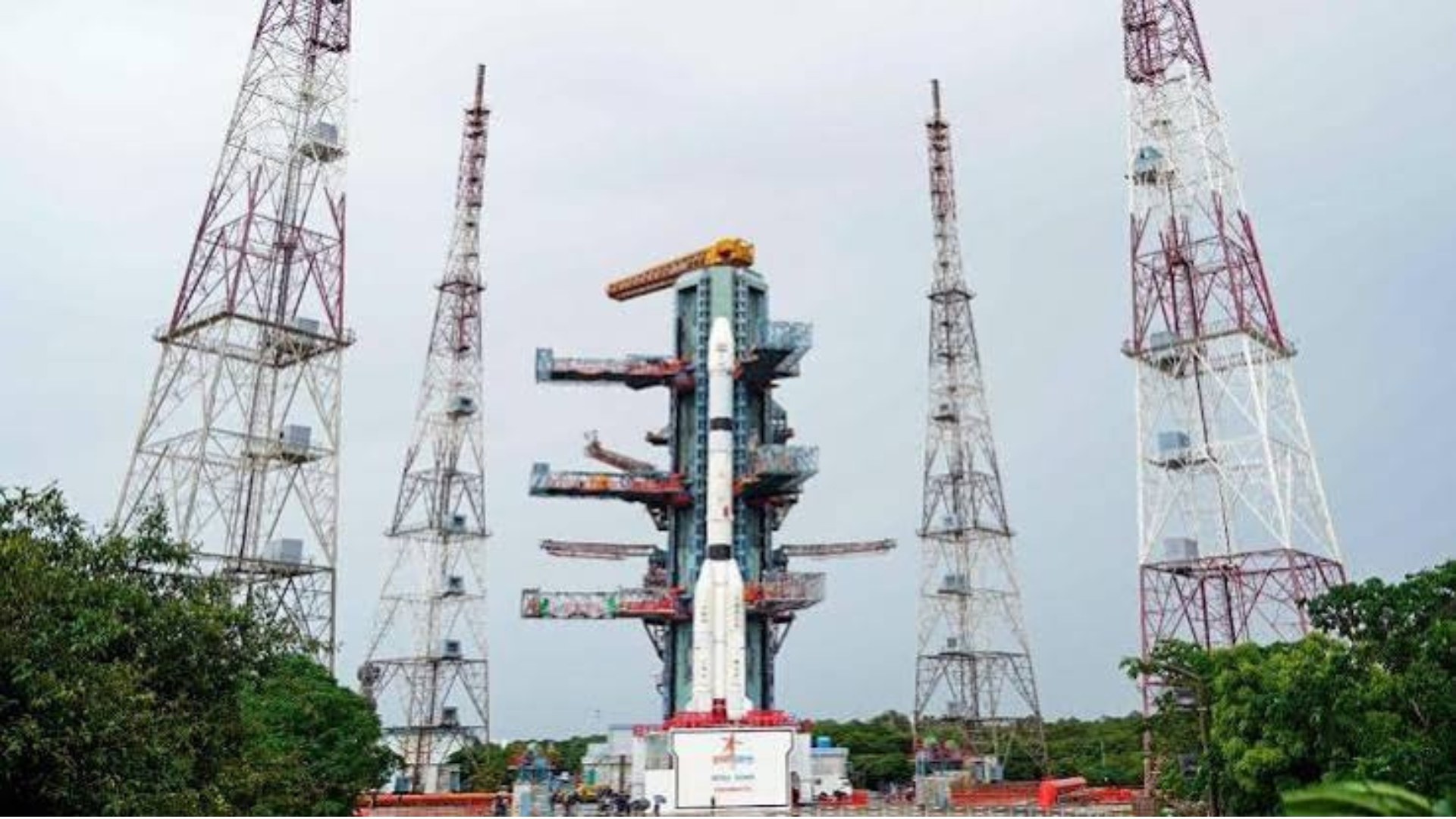
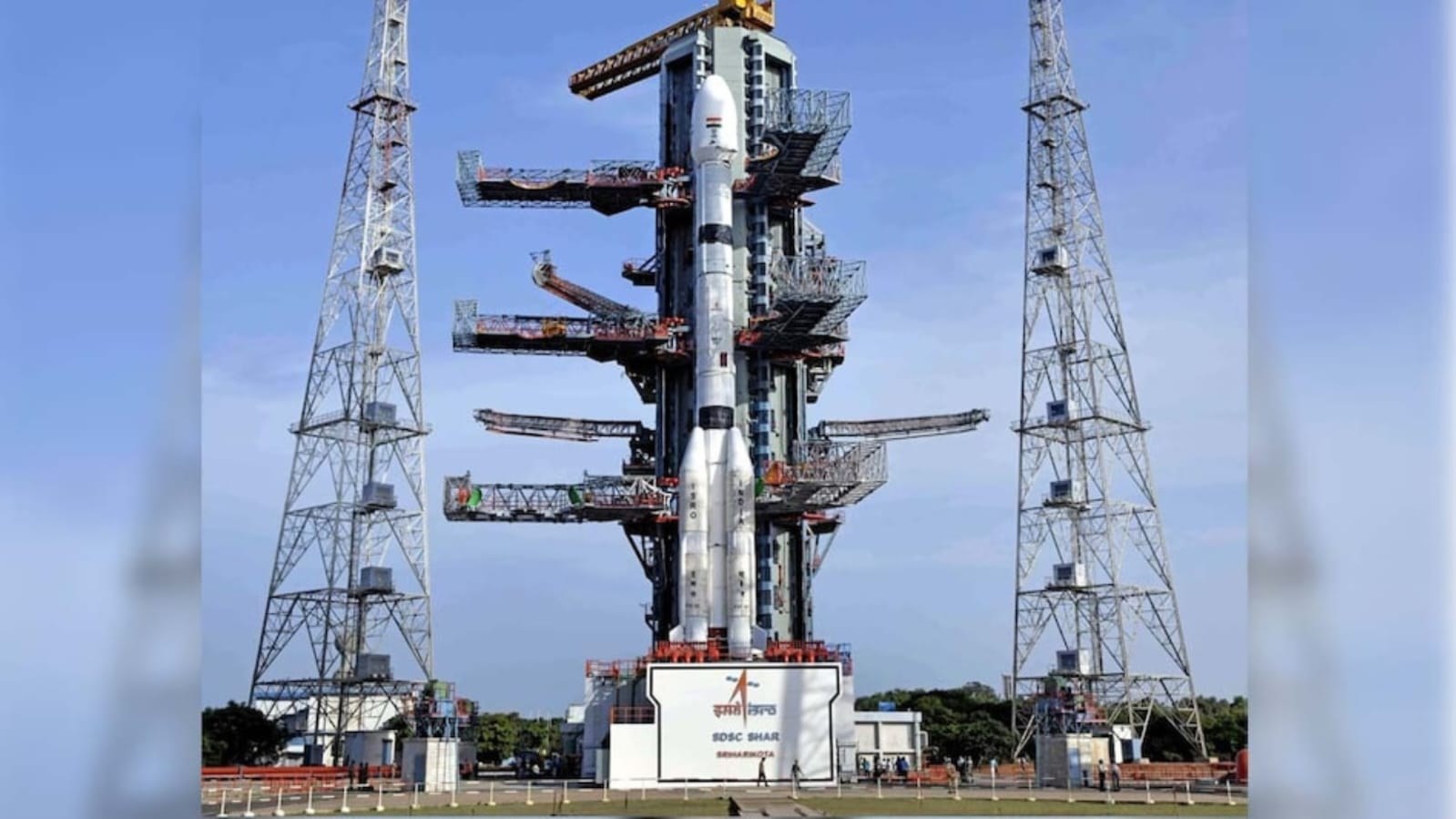
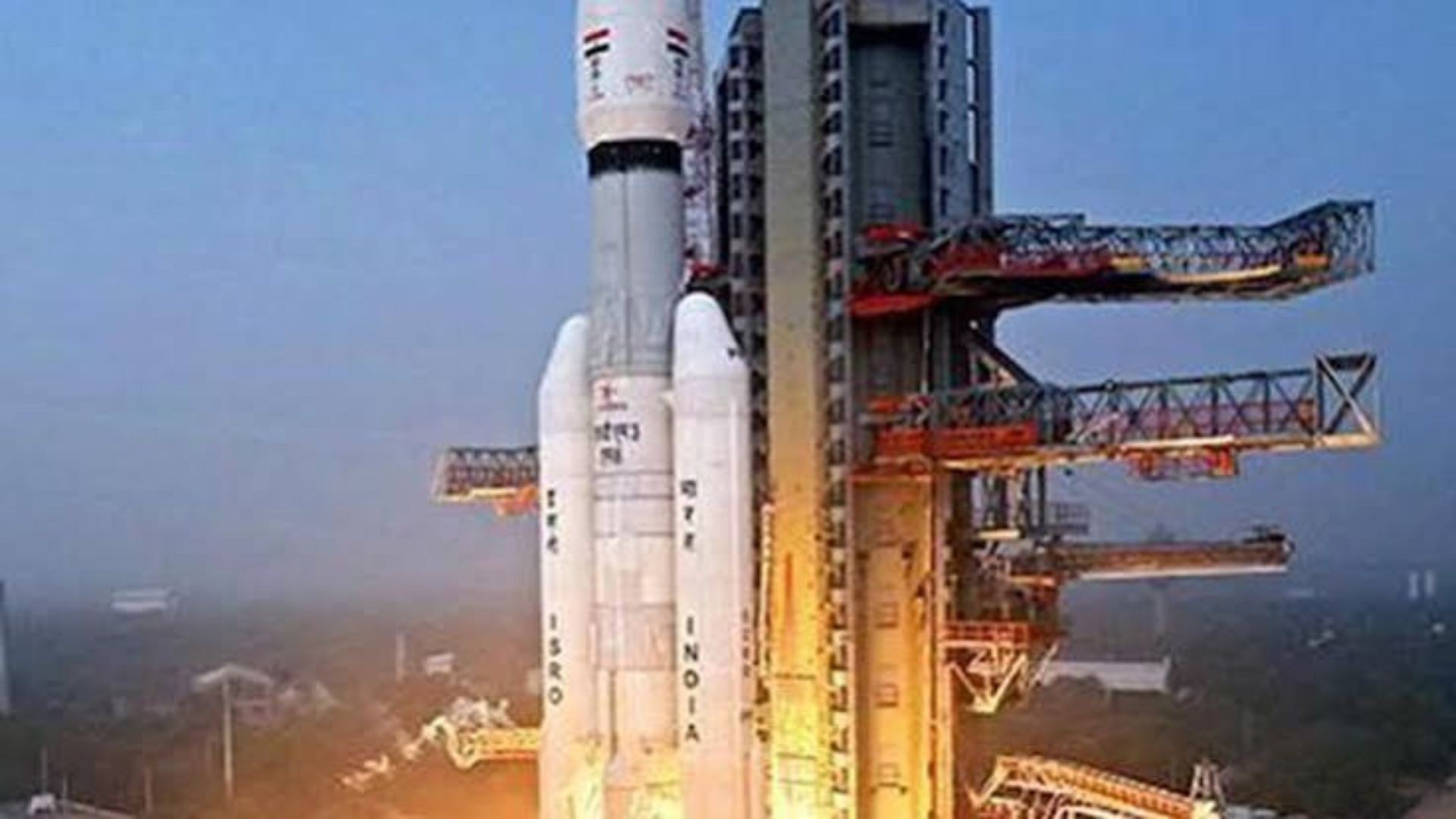
The Indian Space Research Organisation (ISRO) has launched the next-generation navigation satellite NVS-03 aboard its GSLV-F18 rocket, marking another step in strengthening India’s independent satellite navigation capabilities. According to the supplied report, the launch took place at 11:51 PM IST on October 30, 2026, from the Satish Dhawan Space Centre in Sriharikota.

NVS-03 was placed into a Geosynchronous Transfer Orbit, from where it is expected to move to its designated operational position following a series of orbit-raising manoeuvres. The spacecraft is intended to strengthen NavIC, India’s regional satellite navigation system, which provides positioning, navigation and timing services.
NavIC, short for Navigation with Indian Constellation, is India’s homegrown alternative to relying solely on foreign navigation systems such as the United States’ GPS. An operational and reliable domestic system is important for strategic autonomy because navigation services support a wide range of activities, including transport, emergency response, maritime operations, surveying and location-based applications.
The NVS-03 mission is described in the supplied report as the twelfth satellite in the Indian Regional Navigation Satellite System constellation and the third in its second-generation series. The newer-generation satellites are designed to improve the system’s capabilities and reliability. However, the practical benefits will depend on successful commissioning and integration with the wider NavIC constellation.
The report states that the 2,250-kilogram satellite was deployed into an elliptical transfer orbit and that its solar arrays opened following separation from the launch vehicle. ISRO is expected to carry out further manoeuvres before the satellite reaches its intended operational position.
The launch also highlights the importance of developing and maintaining indigenous space infrastructure. A stronger NavIC constellation can support government services, commercial applications and industries that depend on accurate positioning and timing signals.
For India, the significance of NVS-03 extends beyond a single rocket launch. It is part of the longer effort to build a dependable navigation network under domestic control. Its contribution will ultimately depend on successful commissioning and the performance of the satellite within the operational constellation.






0 comments
No comments yet. Yours would be the first.