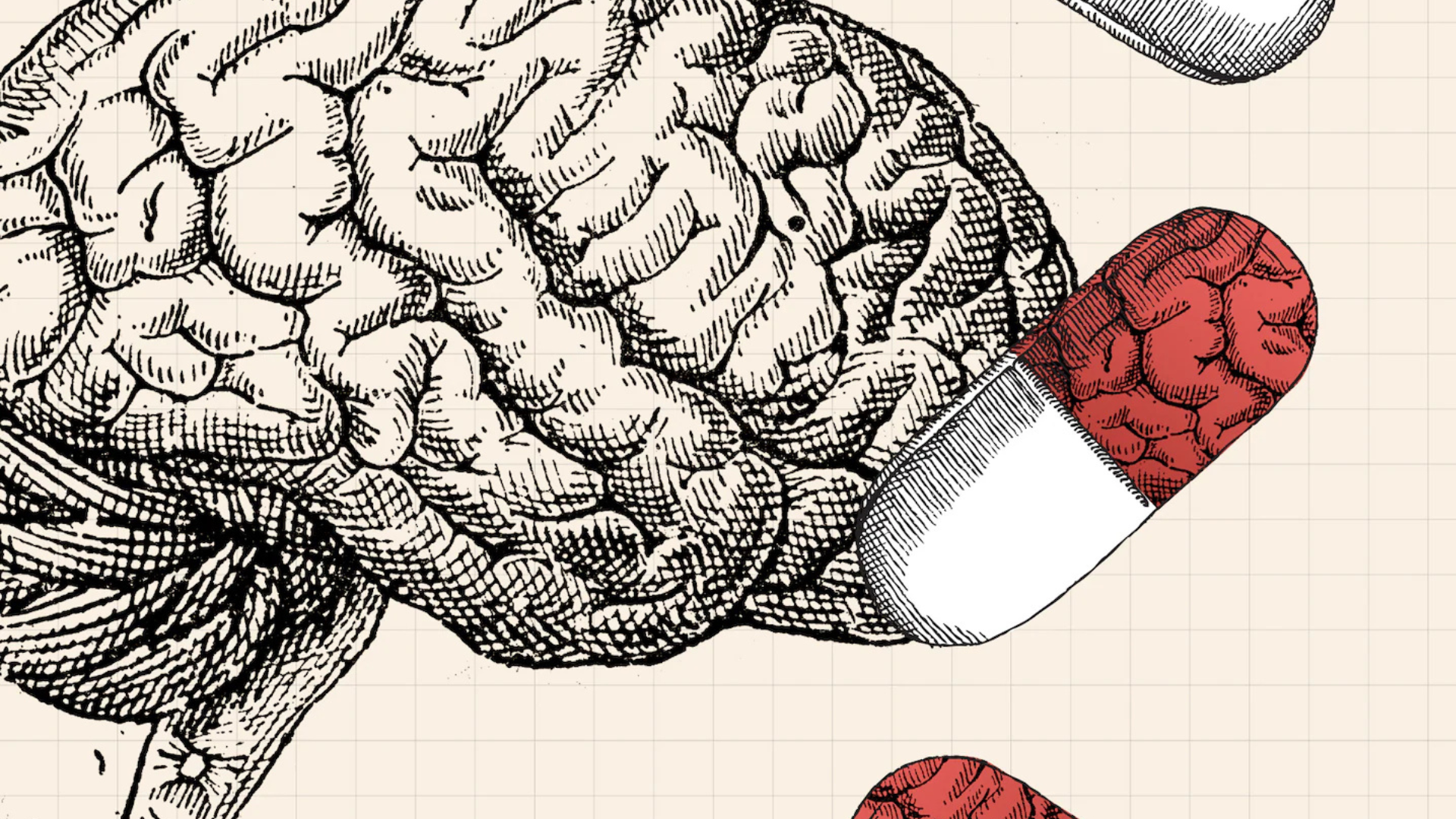
Researchers are increasingly examining the role of estrogen in women’s brain ageing, exploring whether hormone therapy could influence cognitive health later in life. The growing scientific interest comes amid discussions about menopause, hormonal changes and their possible effects on the brain. Neurobiologist Anna Marseglia, who has studied factors influencing brain ageing, developed a personal interest in estrogen as she entered her 40s. Estrogen is an important hormone involved in several physiological processes. Researchers are investigating how changes in its levels during menopause may relate to cognitive function and brain health. The research could contribute to a better understanding of how hormonal changes affect women as they age and whether certain interventions might have a role in supporting cognitive health. However, the relationship between estrogen, hormone therapy and cognition remains complex. Potential benefits need to be evaluated alongside treatment risks, individual health factors and the timing of therapy. Hormone therapy is not a universal treatment for preventing cognitive decline or dementia, and research findings should not be interpreted as a recommendation for all women to use it. Scientists continue to investigate which women, if any, might benefit from particular approaches and how treatment outcomes may vary. The emerging research highlights the importance of studying women’s health across different stages of life, including the hormonal changes associated with menopause. Further evidence will be needed to determine whether estrogen-based treatments can meaningfully improve cognitive outcomes and to establish appropriate clinical guidance.







0 comments
No comments yet. Yours would be the first.