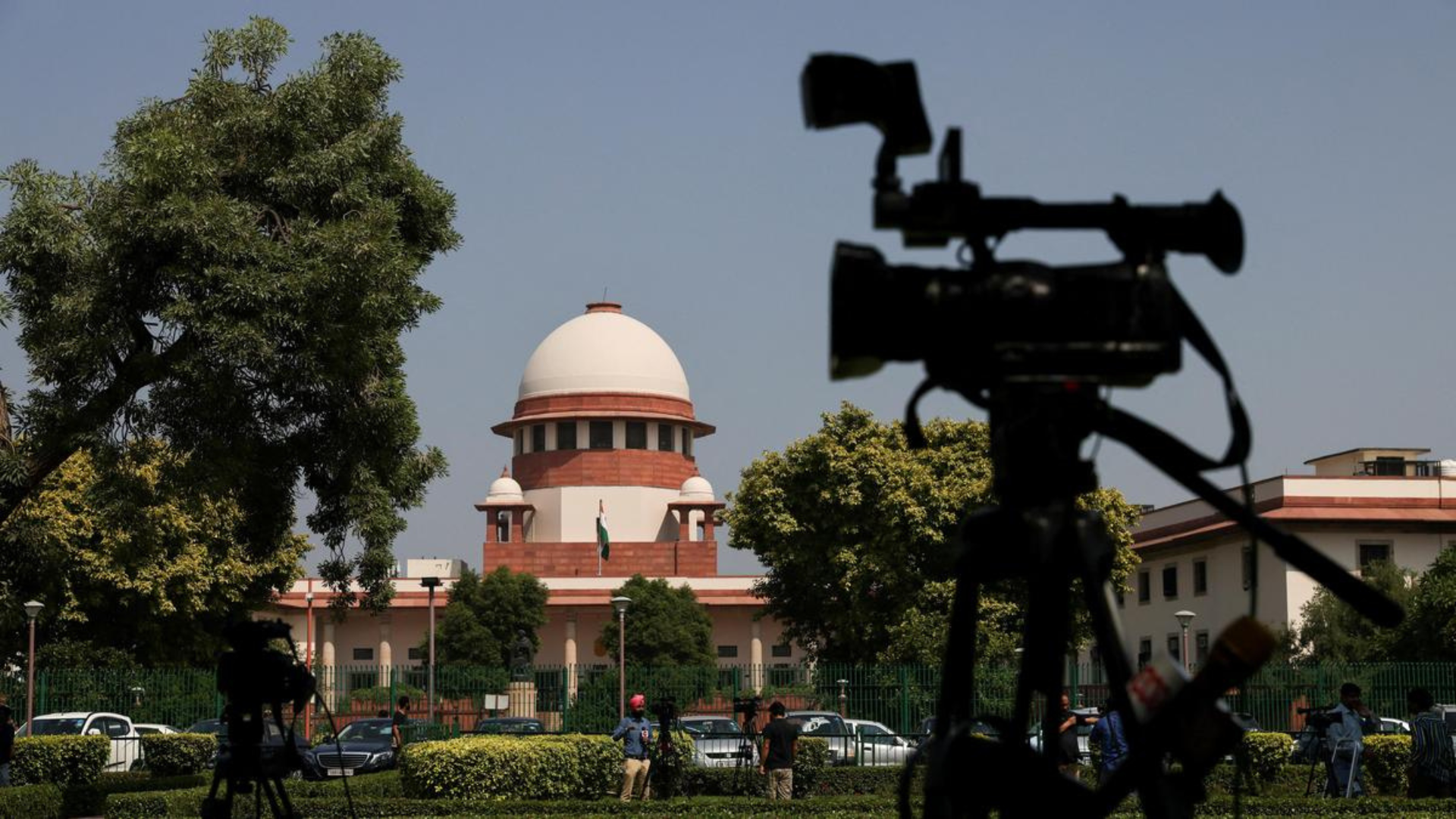
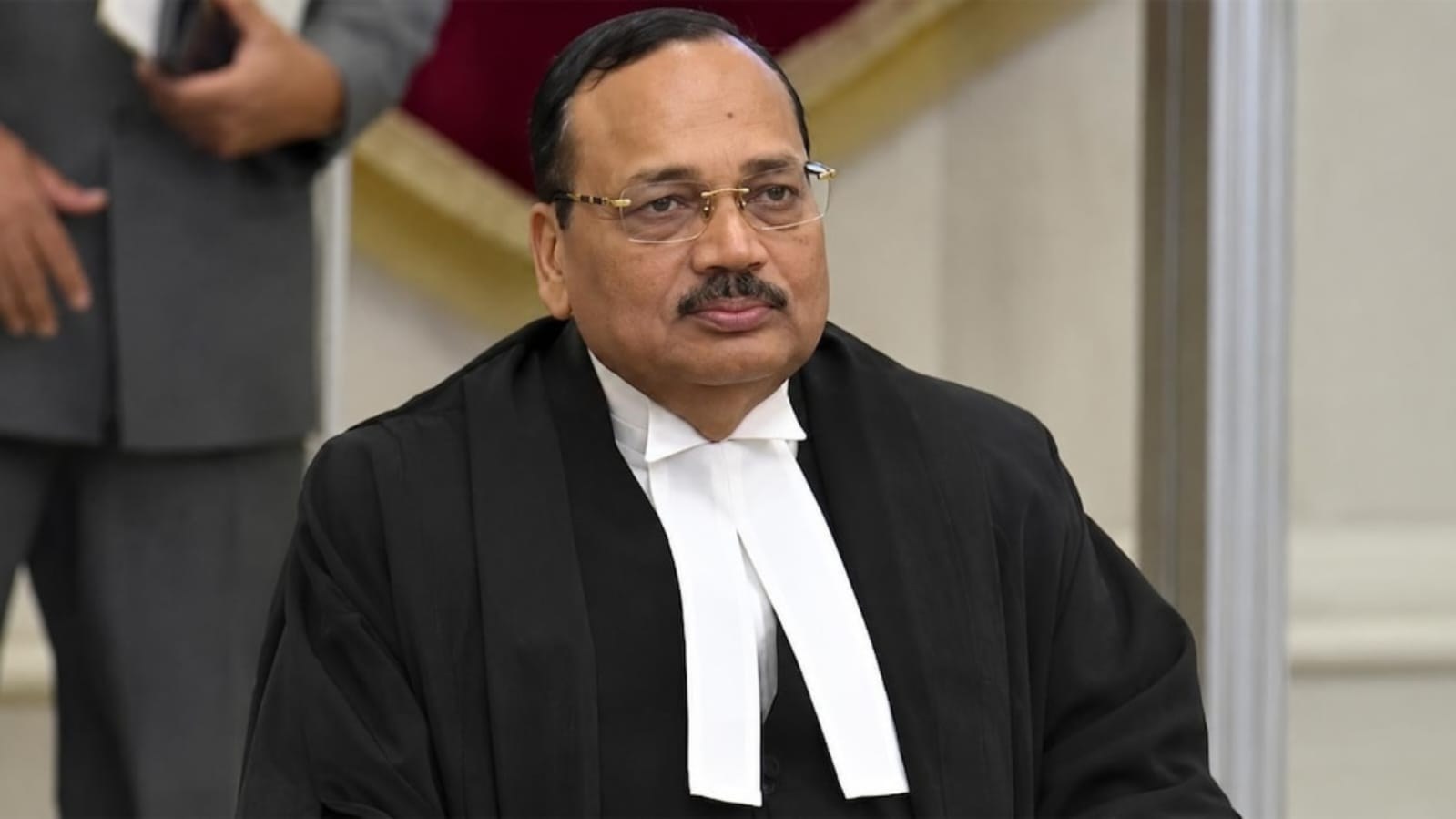
The Supreme Court of India has observed that laws penalising people for having more than two children have lost their relevance amid changing demographic trends and declining fertility rates. In a judgment delivered on November 4, 2026, a Bench headed by Justice P.S. Narasimha said the demographic concerns that formed the foundation of such laws had significantly changed over recent decades. The Bench expressed the view that the fear of overpopulation, which originally supported restrictions on families having more than two children, had weakened due to India’s falling fertility rate. The observation was made in a 37-page judgment, in which the court questioned the continued relevance of penalties linked to having more than two children. The issue has implications for policies that restrict eligibility for certain benefits or public positions based on family size. Such provisions have been adopted in different contexts, including local governance, in parts of India. The court’s remarks highlight the changing nature of India’s population trends and the need to reassess policies introduced in response to earlier demographic concerns. However, the supplied report excerpt does not specify the exact law or legal provision involved in the case. The observation should therefore not be interpreted as a blanket cancellation of all two-child restrictions across the country. The judgment’s full legal implications will depend on the case, the provisions considered by the court and the complete text of its decision. The development brings renewed attention to the relationship between population policy, individual rights and India’s evolving demographic profile.









0 comments
No comments yet. Yours would be the first.