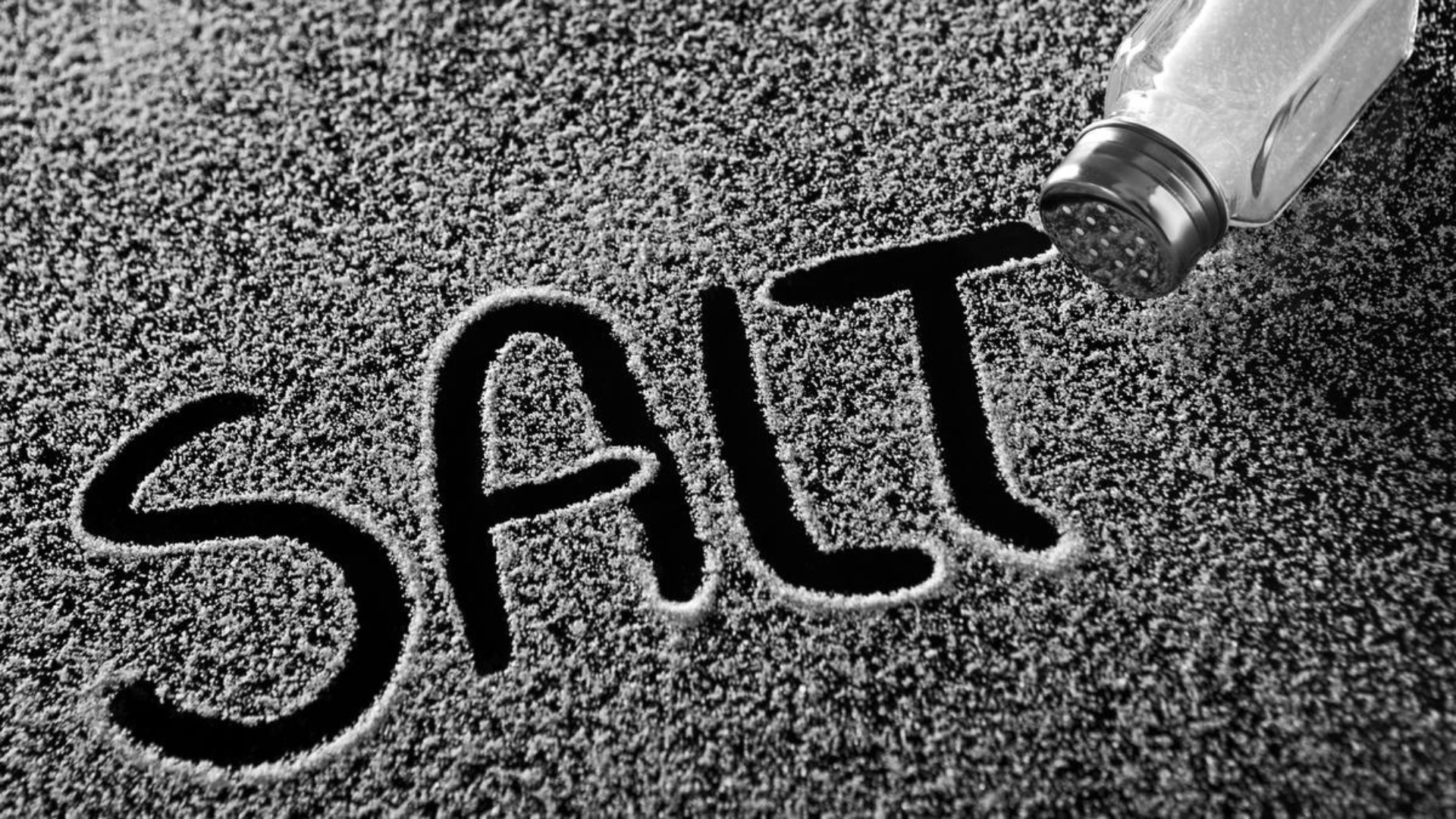
India’s persistent anaemia burden requires a comprehensive public health strategy involving targeted nutrition, improved diagnosis and effective interventions, rather than relying solely on iron-fortified salt, a recent health policy commentary argues. The fifth National Family Health Survey (NFHS-5) found that more than half of women and approximately two-thirds of young children in India are anaemic. Against this backdrop, double-fortified salt (DFS), which contains both iodine and iron, has been promoted as a convenient way to increase iron intake across the population. However, the commentary questions whether convenience alone makes salt fortification an effective solution. It argues that anaemia has multiple causes and cannot be addressed through a single nutritional intervention. Another concern is India’s high salt consumption. According to the commentary, Indians consume roughly twice the five grams of salt per day recommended by the World Health Organization (WHO). The article also points to the country’s hypertension burden, noting that approximately one in three adults has high blood pressure. India’s non-communicable disease action plan includes a commitment to achieving a 30% relative reduction in salt intake. The debate centres on whether adding iron to a food consumed in excessive quantities is an appropriate public health approach, particularly when reducing salt consumption remains an important health objective. The commentary advocates a broader response to anaemia, including targeted nutritional interventions, better diagnostic practices and comprehensive public health measures. The central argument is that addressing anaemia requires understanding its multiple causes and designing interventions accordingly, rather than depending on salt fortification as a standalone solution.







0 comments
No comments yet. Yours would be the first.