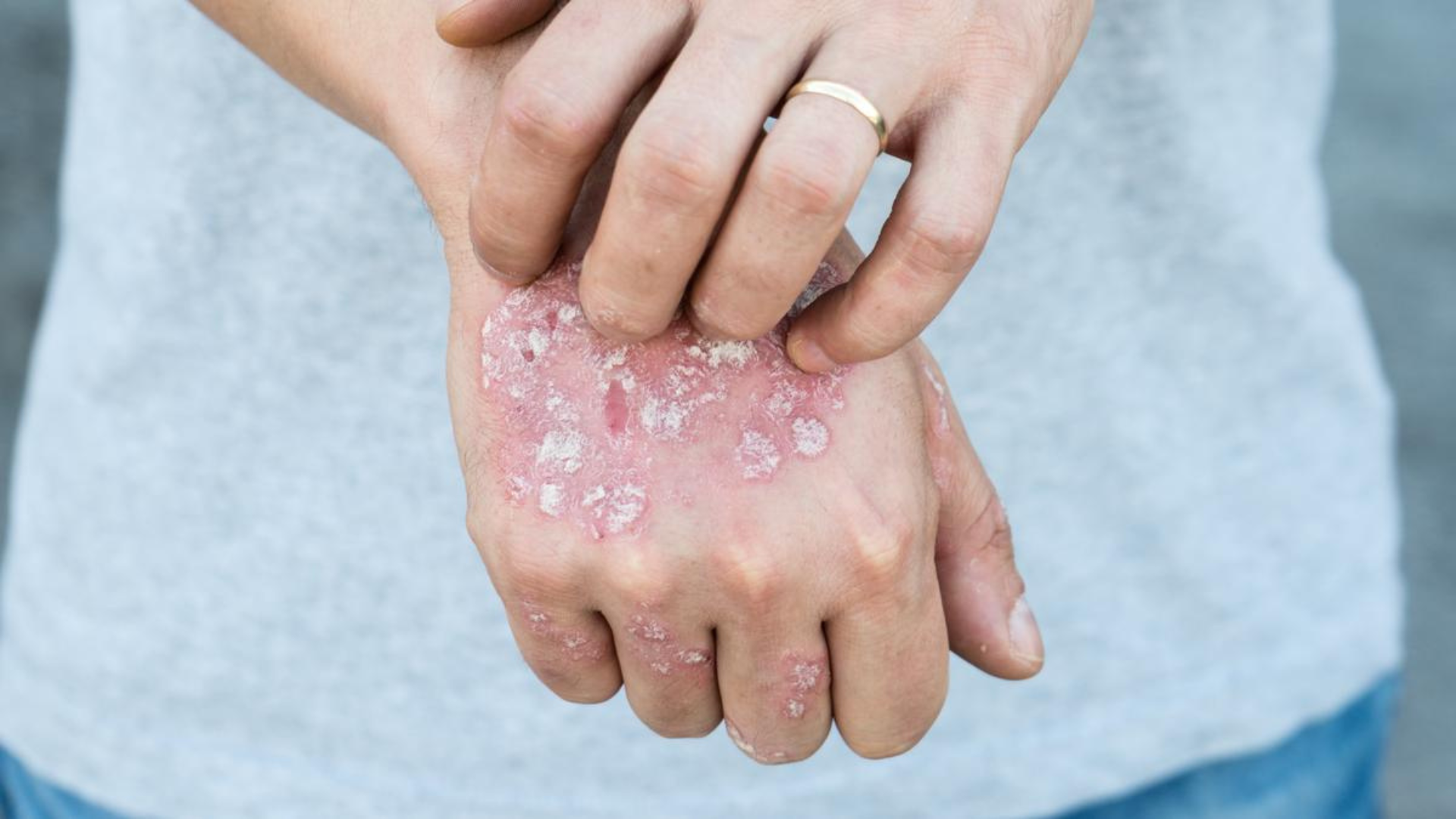
Psoriasis can sometimes be difficult to diagnose because its symptoms may resemble other common skin conditions, including dandruff, eczema and fungal infections. Recognising its varied appearance and seeking medical advice when symptoms persist can help people receive appropriate treatment. Psoriasis is a chronic immune-mediated condition that causes inflammation and changes in skin appearance, often resulting in thick, scaly patches. However, it does not look identical across every part of the body. According to dermatologist Rinky Kapoor, psoriasis may resemble dandruff when it affects the scalp, persistent eczema when it appears on the palms, or a fungal infection in certain areas. This variation can make identifying the condition challenging. The appearance and sensation of psoriasis can also differ depending on the area affected. Skin thickness varies across the body, while environmental exposure and previous treatments may influence how symptoms develop. As a result, psoriasis cannot always be identified simply by examining visible skin changes. Similar-looking conditions may require different treatment approaches, making accurate diagnosis important. People experiencing persistent, recurring or unexplained skin changes should consider consulting a dermatologist, particularly when symptoms do not improve with routine care or when the diagnosis remains uncertain. A healthcare professional can assess the affected areas, review the symptoms and determine whether further examination or testing is necessary. Early medical assessment may help patients avoid inappropriate treatment and manage symptoms more effectively. Psoriasis treatment options have also evolved, with biological therapies playing an important role in managing certain cases. Understanding that psoriasis can present differently across the body is an important step towards recognising the condition and seeking appropriate medical care.





0 comments
No comments yet. Yours would be the first.