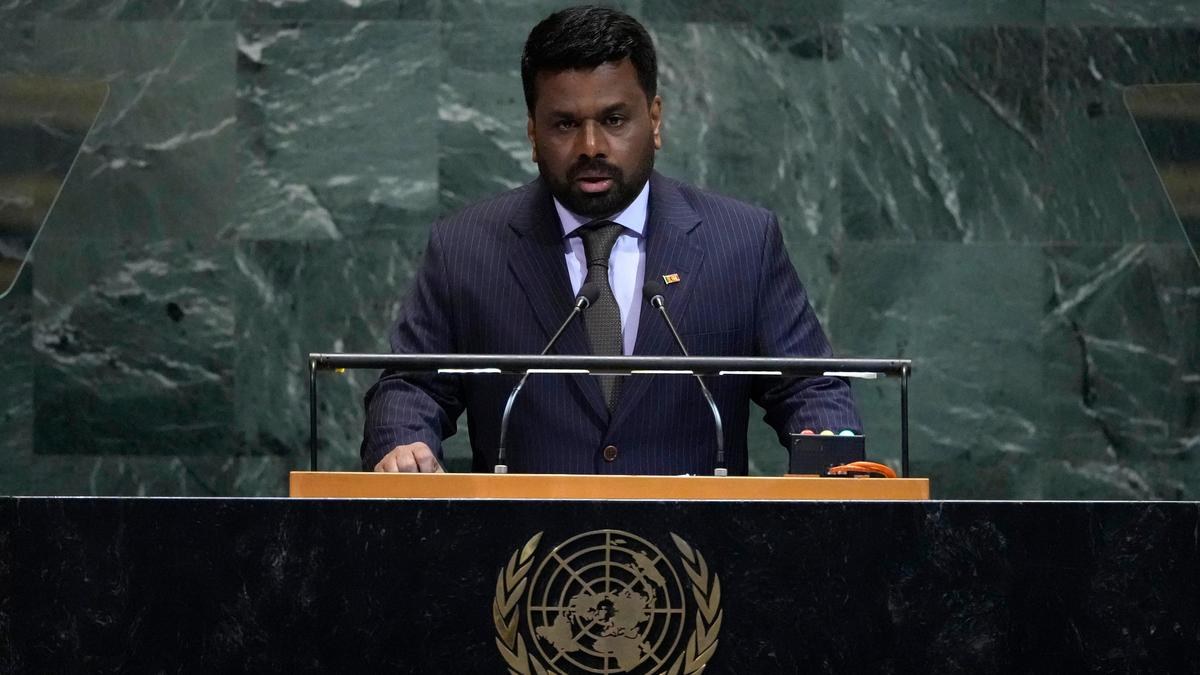
Sri Lankan President Anura Kumara Dissanayake has completed two years in office, with his administration maintaining economic stability while facing questions over the pace of political reforms.

Dissanayake assumed office in September 2024, following Sri Lanka’s economic crisis in 2022 and the mass public protests known as the Aragalaya. His government inherited an economy that had begun stabilising under the previous administration of Ranil Wickremesinghe, with support from the International Monetary Fund (IMF).
Despite having campaigned for changes to the IMF programme, Dissanayake chose to maintain the key economic commitments made by his predecessor. This decision helped preserve policy continuity and avoid disrupting the country's recovery efforts.
The administration's approach has been significant given the economic difficulties Sri Lanka faced before the 2024 election. The government has continued working within the existing IMF-supported framework rather than pursuing a major renegotiation.
However, economic continuity has not automatically translated into major political transformation. The President still faces expectations to deliver institutional and political reforms, which remain an important part of the public agenda.
His 24-member Cabinet has also included several relatively inexperienced members, raising questions about the government's ability to deliver on its broader promises. Nevertheless, the administration has continued to follow the commitments inherited from the previous government.
After two years in office, Dissanayake's record reflects a balance between maintaining economic stability and meeting demands for deeper political change. While continuity has been central to his economic approach, delivering meaningful reforms remains a major challenge for the years ahead.

0 comments
No comments yet. Yours would be the first.