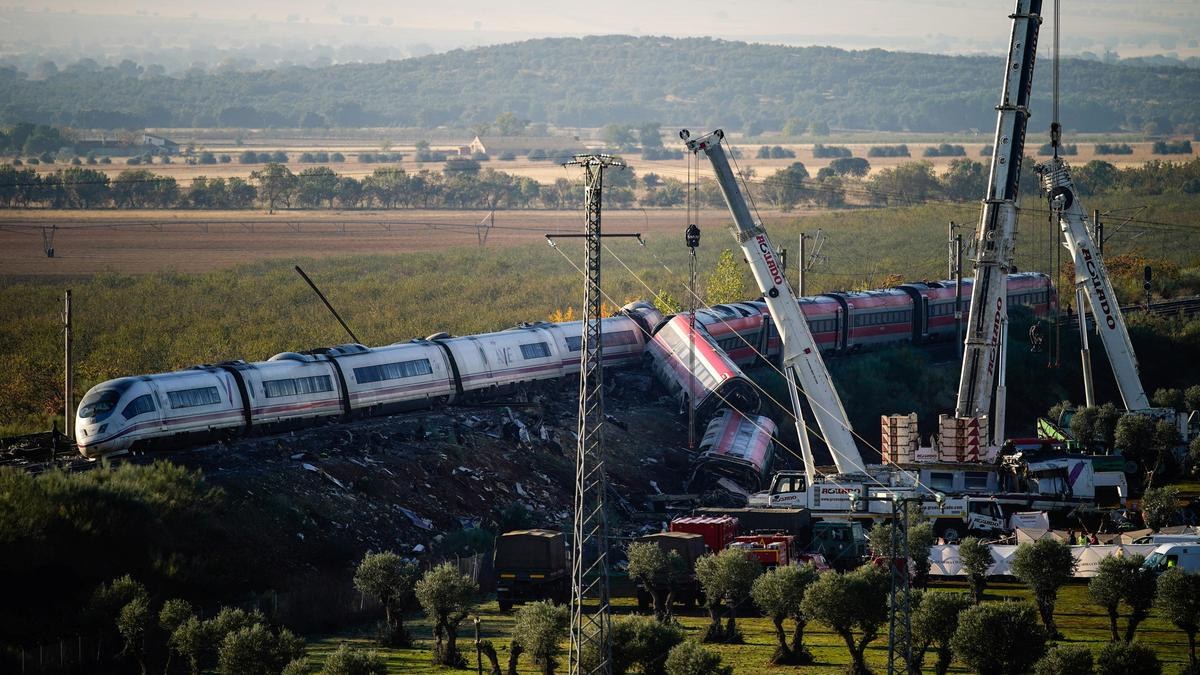
Spain’s high-speed rail safety record is facing renewed scrutiny after a collision between two trains near Toledo killed 68 people and injured many others on October 28, 2026.

The accident occurred between the towns of Mora and Orgaz and has been described as one of the worst rail disasters in modern European history. In response, Spain declared three days of national mourning as the country grappled with the tragedy.
The crash has raised concerns because Spain operates one of Europe’s most extensive high-speed rail networks. According to the report, the country had not experienced a similarly fatal accident on its dedicated high-speed lines since the network opened in 1992 until this year.
The latest collision is also the second major train accident reported in Spain in 2026, intensifying questions about railway safety, infrastructure maintenance and operational procedures.
Authorities are examining possible system-related problems and human error as part of the investigation. However, the exact cause of the collision has yet to be established. Investigators will need to determine the sequence of events and whether technical failures, operational decisions or a combination of factors contributed to the disaster.
The findings could prompt renewed discussions about railway signalling, track maintenance, safety monitoring and measures to prevent collisions. Such safeguards are essential for protecting passengers as high-speed rail continues to play a major role in European transportation.
For now, the focus remains on supporting victims and their families while authorities work to establish what happened. The investigation’s conclusions will be crucial in determining whether additional safety measures are required to reduce the risk of similar tragedies in the future.







0 comments
No comments yet. Yours would be the first.