
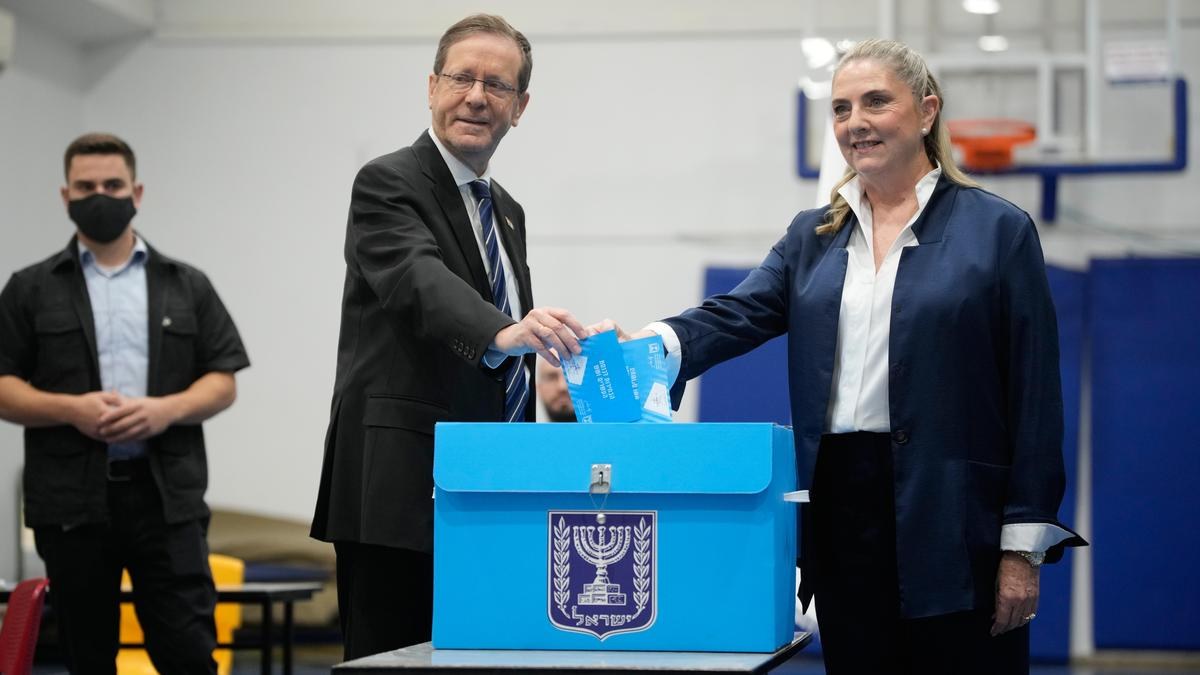
Israeli President Isaac Herzog has expressed hope that the country can avoid another election after the October 27, 2026, parliamentary vote failed to produce a clear winner, leaving Prime Minister Benjamin Netanyahu's coalition and the opposition searching for a path to government formation.

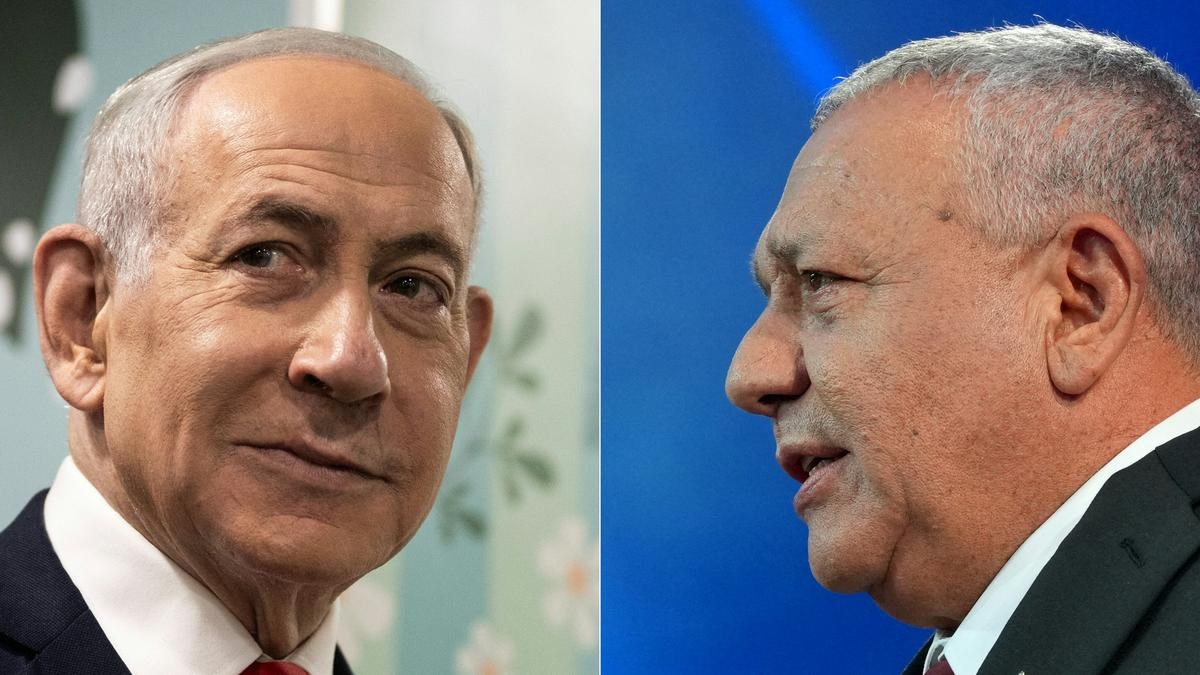
With more than 85% of ballots counted on Wednesday, October 28, Netanyahu's right-wing bloc was slightly ahead but remained short of the parliamentary majority needed to govern. The result has raised the possibility of complex coalition negotiations involving several political groups.
Arab political parties have emerged as potential kingmakers, as their support could prove significant in determining which side can secure enough parliamentary backing to form a government.
Herzog's appeal to avoid a second election reflects the uncertainty created by the closely contested vote. A fresh election could prolong the political deadlock, while negotiations between parties may offer an alternative route to establishing a stable government.
The election was Israel's first since the October 7, 2023, attacks, which were followed by Israel's war in Gaza and wider regional hostilities. The conflict and its political consequences have formed an important backdrop to the country's latest electoral contest.
With the final outcome still unclear, Netanyahu and opposition leaders face the challenge of building alliances and securing the support needed to govern. The remaining vote count and subsequent negotiations will help determine Israel's political direction in the coming weeks.

0 comments
No comments yet. Yours would be the first.