

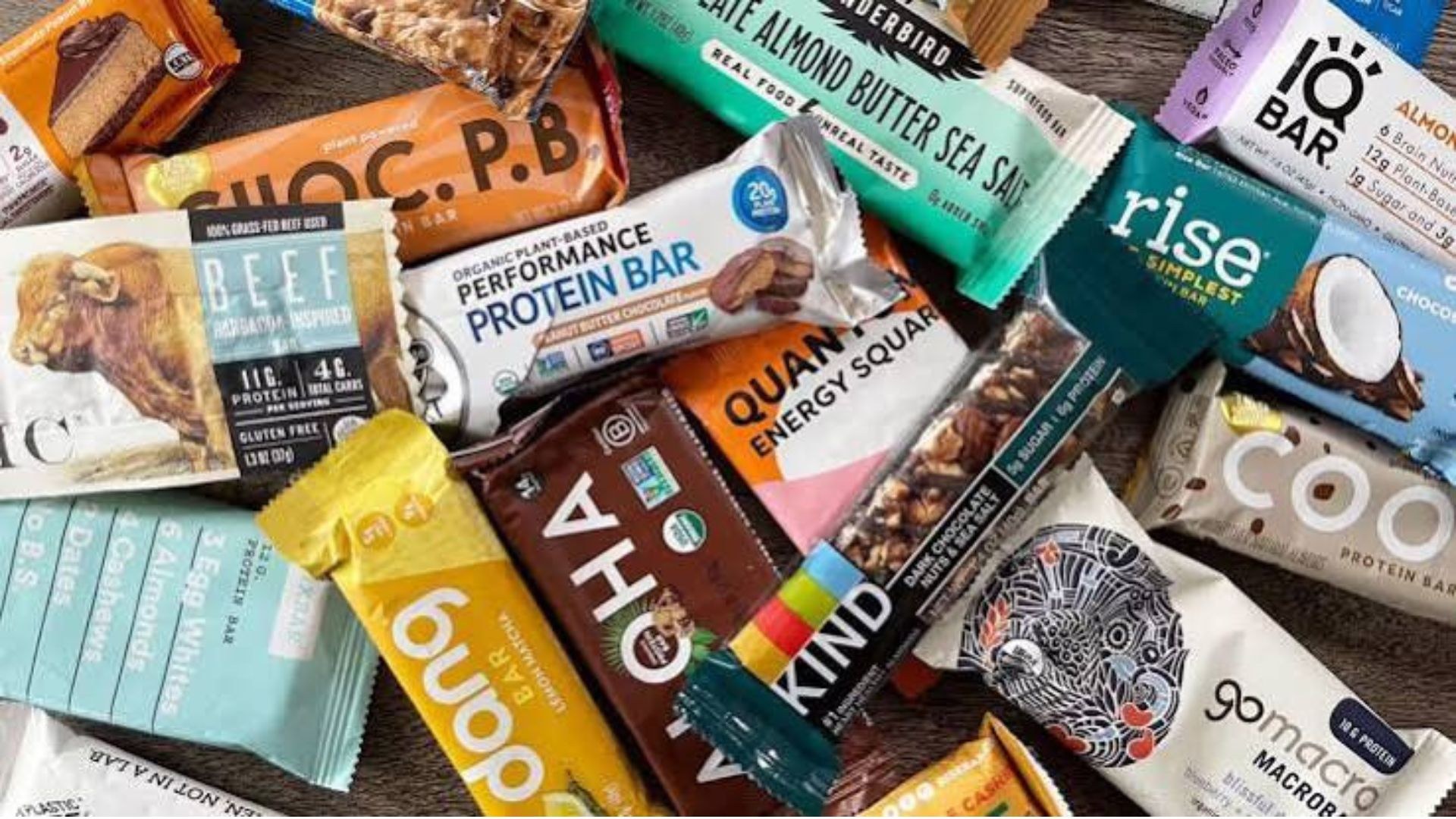
High-protein diets are popular among people aiming to build muscle, improve fitness or manage their weight. However, consuming more protein than the body needs may have unintended effects on digestive health, particularly when the diet lacks sufficient fibre.
UK-based surgeon Dr Karan Rajan discussed this issue in an Instagram video, explaining how excess dietary protein can influence the activity of gut bacteria.
Most dietary protein is broken down and absorbed in the small intestine. However, when protein intake is high, particularly in a fibre-poor diet, some undigested protein can reach the colon. Gut bacteria can then ferment this material, producing compounds that differ from those generated when they ferment dietary fibre.
Fibre fermentation produces short-chain fatty acids, including compounds that help support the intestinal environment. Protein fermentation, meanwhile, can generate substances such as ammonia and hydrogen sulphide. The effects of these byproducts depend on their amounts, the type of protein consumed and the wider dietary context.
This does not mean that protein is inherently harmful. Protein is essential for muscle maintenance, tissue repair and several other bodily functions. The concern is an unbalanced diet that consistently provides excessive protein while leaving insufficient room for fibre-rich foods.
Vegetables, fruits, pulses, beans, whole grains, nuts and seeds can help increase fibre intake. Including a variety of these foods alongside suitable protein sources can support a more balanced dietary pattern.
People should also be cautious about interpreting digestive discomfort as proof of protein overload. Bloating, constipation and other gastrointestinal symptoms can have several causes and cannot establish that protein intake is responsible.
Rather than following the idea that more protein is always better, people should consider their individual nutritional needs, activity levels and overall diet. Anyone experiencing persistent digestive symptoms should seek advice from a qualified healthcare professional.



0 comments
No comments yet. Yours would be the first.