
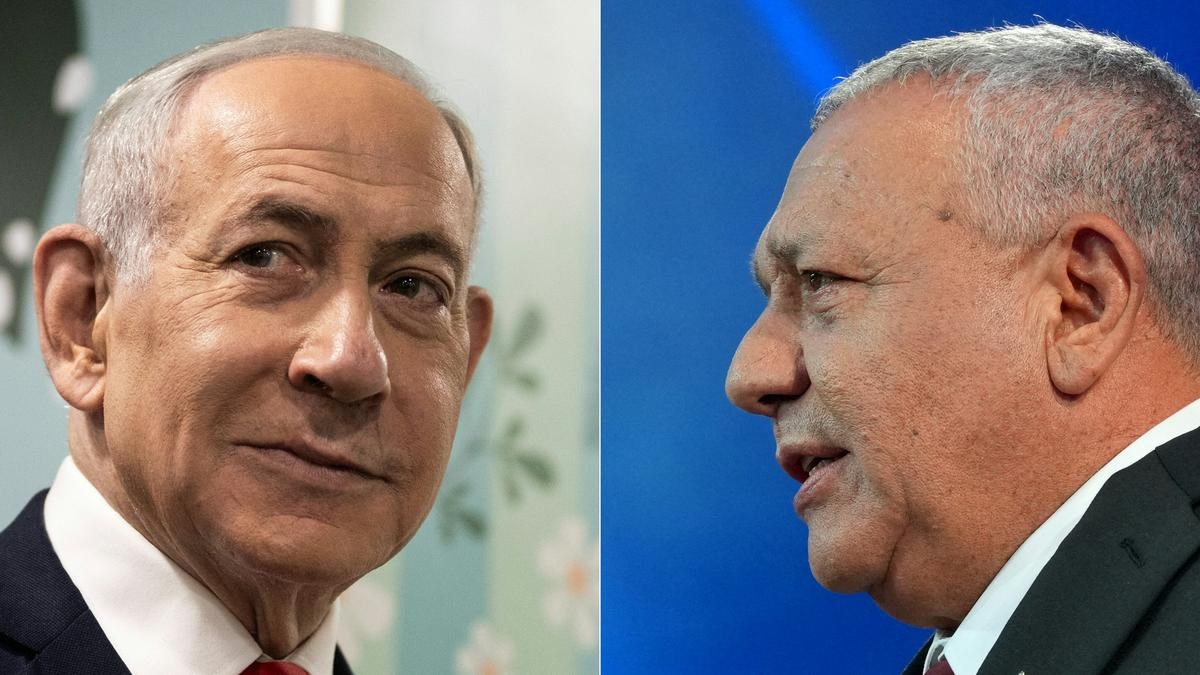
Israel's closely contested parliamentary election has produced no clear winner, with Prime Minister Benjamin Netanyahu's right-wing bloc leading slightly but remaining short of a majority as more than three-quarters of the votes were counted on Wednesday, October 28, 2026.

The election, held on Tuesday, October 27, was the first since the October 7, 2023 attacks, which profoundly affected Israel's political and security landscape.
Despite its lead, Netanyahu's bloc faces the challenge of securing enough parliamentary support to form a government. The results have placed Arab political parties in a potentially influential position as rival political groups explore possible alliances.
A leader representing Israel's Arab minority has appealed to a hesitant opposition to unite in an effort to end Netanyahu's tenure as prime minister. Whether opposition parties can overcome their differences and coordinate their next steps could play a significant role in determining the country's political future.
The emerging results highlight the fragmented nature of Israeli politics, where winning the largest share of votes does not automatically guarantee the parliamentary majority needed to govern.
Coalition negotiations are likely to become crucial if no political bloc secures enough seats independently. The final outcome will depend on the completed vote count and the willingness of parties to cooperate in forming a governing coalition.
With the results still developing, Israel faces a period of political uncertainty as parties assess their options and seek the support needed to establish the next government.


0 comments
No comments yet. Yours would be the first.