
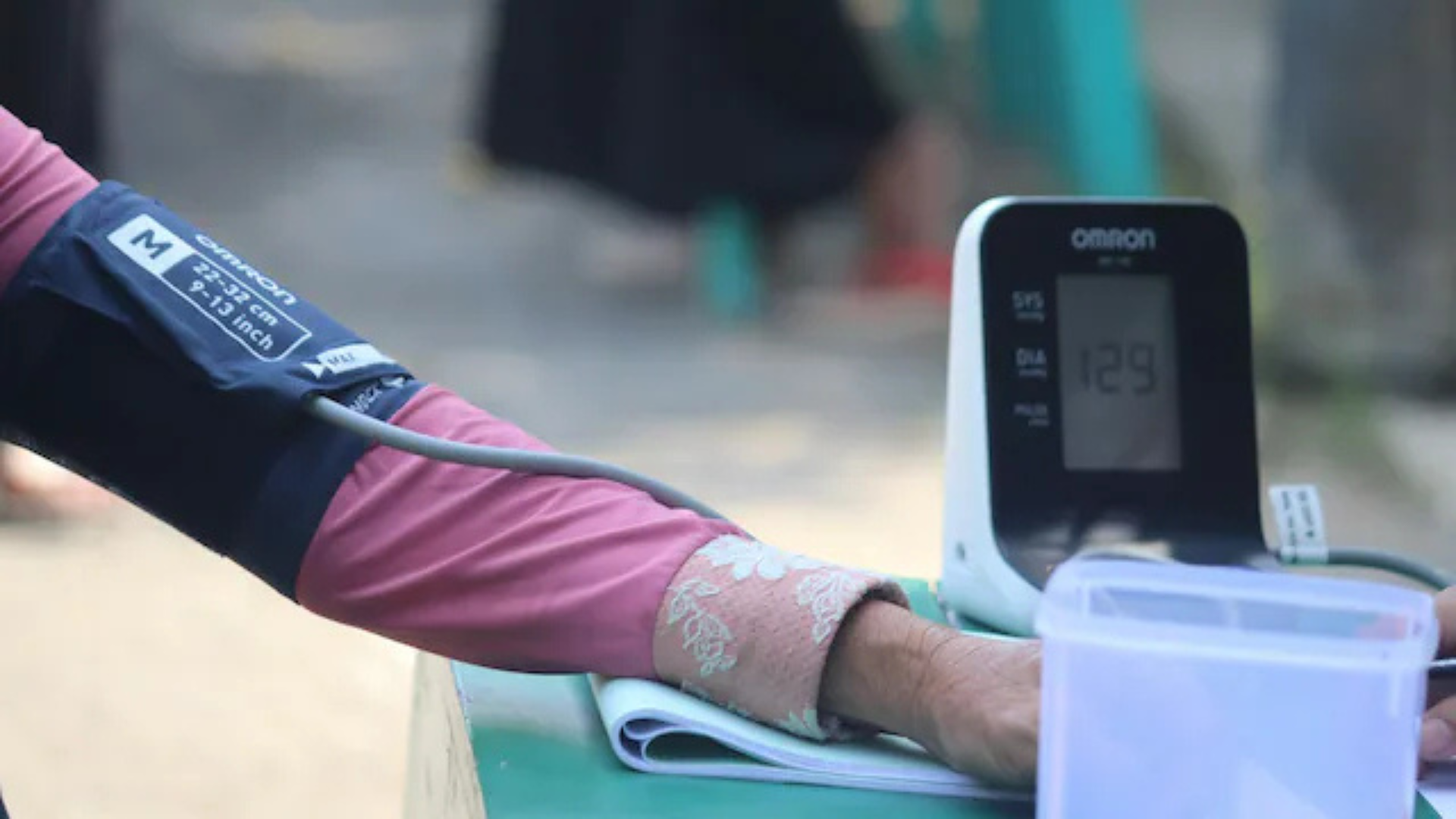
High blood pressure can remain undetected for years because many people experience no obvious symptoms. However, untreated hypertension can gradually damage blood vessels and increase the risk of serious complications, including stroke.
Blood pressure measures the force exerted by circulating blood against artery walls. When this pressure remains elevated over time, it places additional strain on blood vessels throughout the body, including those supplying the brain.
Chronic high blood pressure can damage the inner lining of arteries and contribute to changes that make blood vessels less healthy. It can increase the risk of blood vessel blockage and, in some cases, rupture. A stroke may occur when blood supply to part of the brain is interrupted or when a blood vessel in the brain bursts.
One of the main concerns is that a person can have hypertension while continuing normal daily activities. Feeling healthy does not necessarily mean blood pressure is within a safe range. Waiting for symptoms before getting checked can therefore delay diagnosis and treatment.
Regular blood pressure monitoring is an important step in detecting hypertension early. Measurements can be taken at a healthcare facility or, where appropriate, with a validated home blood pressure monitor. Repeated readings and professional assessment help determine whether blood pressure is consistently high.
Lifestyle measures, including reducing excess salt intake, staying physically active, maintaining a healthy weight and avoiding tobacco, can support blood pressure management. People diagnosed with hypertension may also need prescribed medication and regular follow-up.
Sudden facial drooping, weakness or numbness—particularly on one side of the body—difficulty speaking, or an abrupt loss of balance can indicate a stroke. These symptoms require emergency medical attention, even if they improve.
Because high blood pressure may not produce noticeable warning signs, routine screening and appropriate treatment are essential for reducing long-term health risks.





0 comments
No comments yet. Yours would be the first.