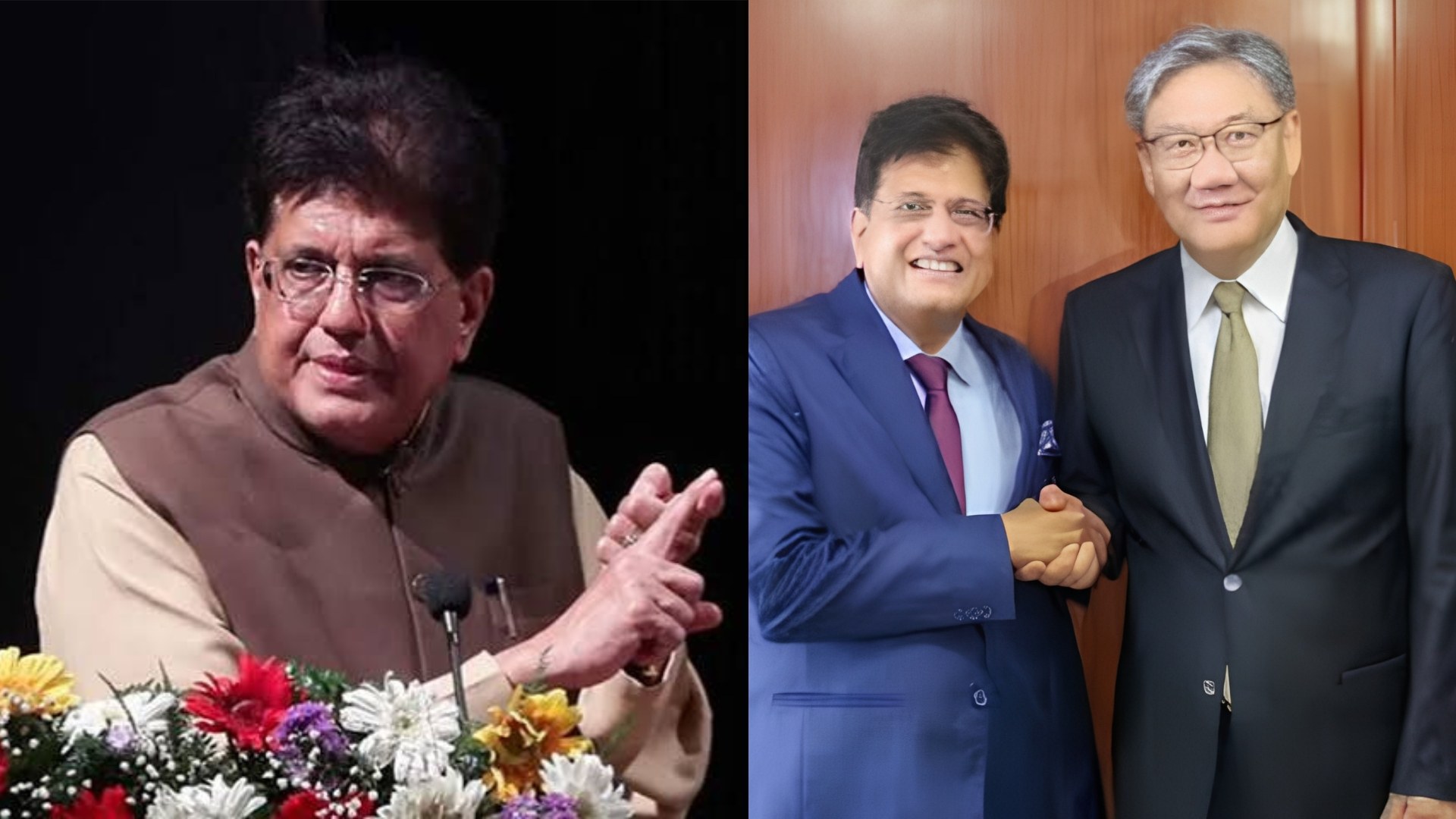
Commerce and Industry Minister Piyush Goyal has defended India's decision to stay out of the Regional Comprehensive Economic Partnership (RCEP), arguing that joining the trade agreement could have exposed domestic manufacturers to greater competition from Chinese imports.

Speaking at a conference on India's industrial transformation in New Delhi, Goyal described the November 4, 2019, decision as a crucial step in protecting the country's manufacturing sector. He said India risked becoming heavily dependent on selling Chinese-made goods rather than strengthening its own industrial base.
Goyal also questioned why the previous government had participated in the RCEP negotiations, given India's existing free trade agreements with ASEAN, Japan and South Korea, along with ongoing negotiations with Australia at the time.
He recalled reviewing the negotiating documents after taking charge as commerce minister in June 2019. According to Goyal, he raised concerns with Prime Minister Narendra Modi about the potential consequences of joining the agreement before the government ultimately decided against signing it.
RCEP is a major Asia-Pacific free trade agreement involving 15 economies, including China, Japan, South Korea, Australia, New Zealand and the 10 ASEAN member states. India participated in negotiations but withdrew in November 2019, citing concerns that its interests had not been adequately addressed.
The government's concerns included trade imbalances, import competition, market access and the potential impact on farmers, micro, small and medium enterprises (MSMEs), and domestic industries.
India's decision to remain outside the agreement reflected its approach to balancing international trade opportunities with domestic economic priorities. Goyal maintains that the move helped preserve policy space for Indian manufacturing, although the broader effects of trade policy depend on multiple economic factors.




0 comments
No comments yet. Yours would be the first.