
The Securities and Exchange Board of India (SEBI) is exploring a domestically developed artificial intelligence model for the securities market as the regulator looks to strengthen AI governance, simplify foreign investor compliance and improve oversight of small and medium enterprise (SME) listings.

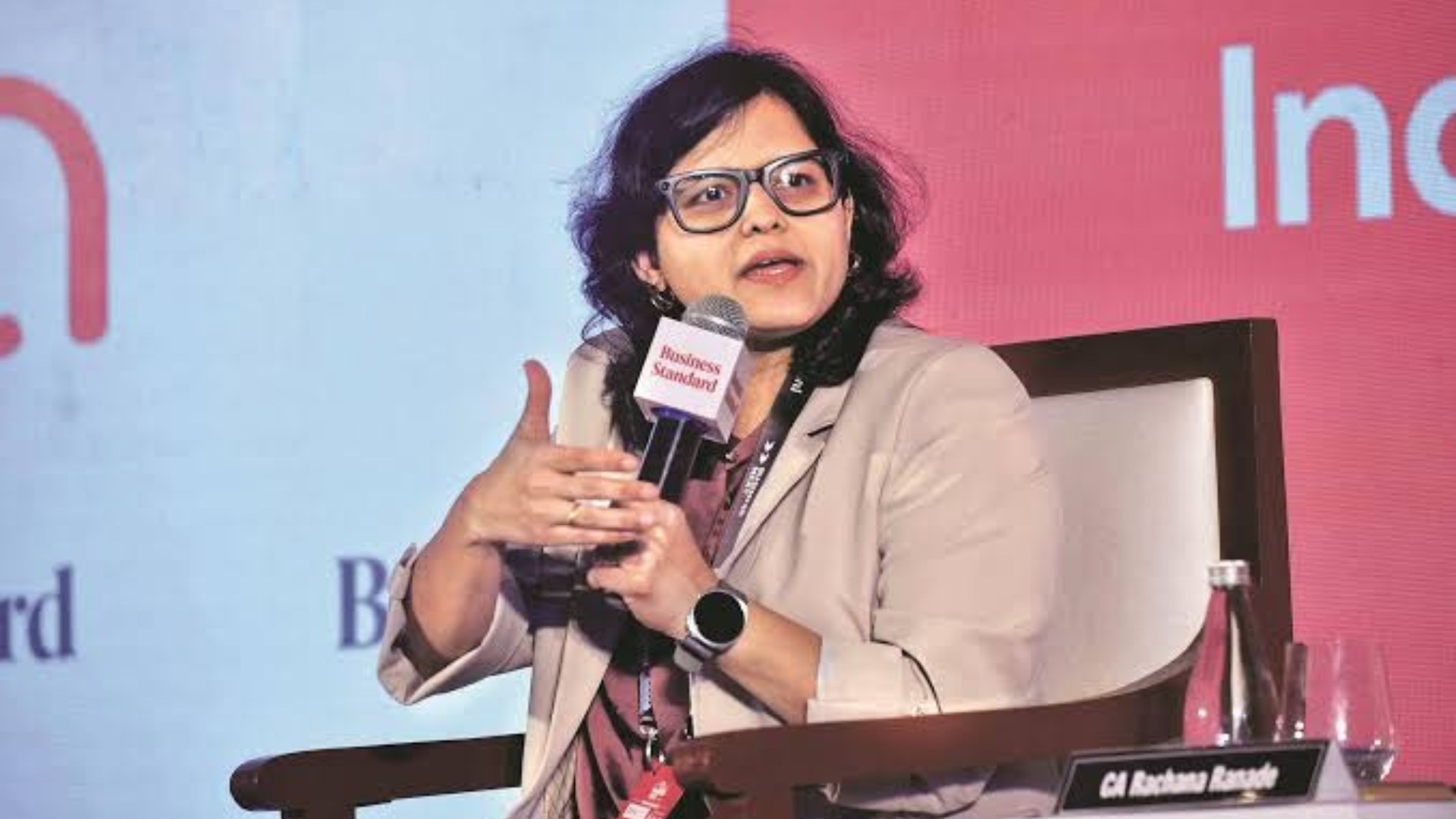
SEBI Chairman Tuhin Kanta Pandey announced the plans at the Business Standard BFSI Insight Summit in Mumbai on Wednesday. He said a market-specific AI model could be developed and governed within India, addressing concerns around the confidentiality and availability of advanced AI systems.
The regulator is also working to implement the International Organization of Securities Commissions’ supervisory toolkit for AI. The initiative is intended to support risk management and create a more adaptable framework for governing AI use in securities markets.
Separately, SEBI plans to consult stakeholders on aligning certain compliance requirements for foreign portfolio investors (FPIs) with global standards while retaining safeguards for investor protection. It is also reviewing SME listing rules, including issuer eligibility and accounting requirements, and proposing stronger monitoring of funds raised through public issues.
The announcement comes amid broader concerns about digital infrastructure security following the recent PHP2Shell vulnerabilities. The flaws in PHP, a widely used programming language, prompted cybersecurity warnings and urgent efforts to secure potentially affected websites and applications.
However, the two developments concern different issues. The PHP vulnerabilities involve weaknesses in software that attackers may exploit. SEBI’s proposed domestic AI model is a regulatory and technology initiative aimed at developing AI capabilities under domestic governance. The supplied information does not establish a direct connection between the SEBI proposal and the PHP security incident.
Together, these developments highlight different aspects of digital resilience: securing existing systems against technical vulnerabilities while establishing appropriate governance for emerging AI technologies.





0 comments
No comments yet. Yours would be the first.