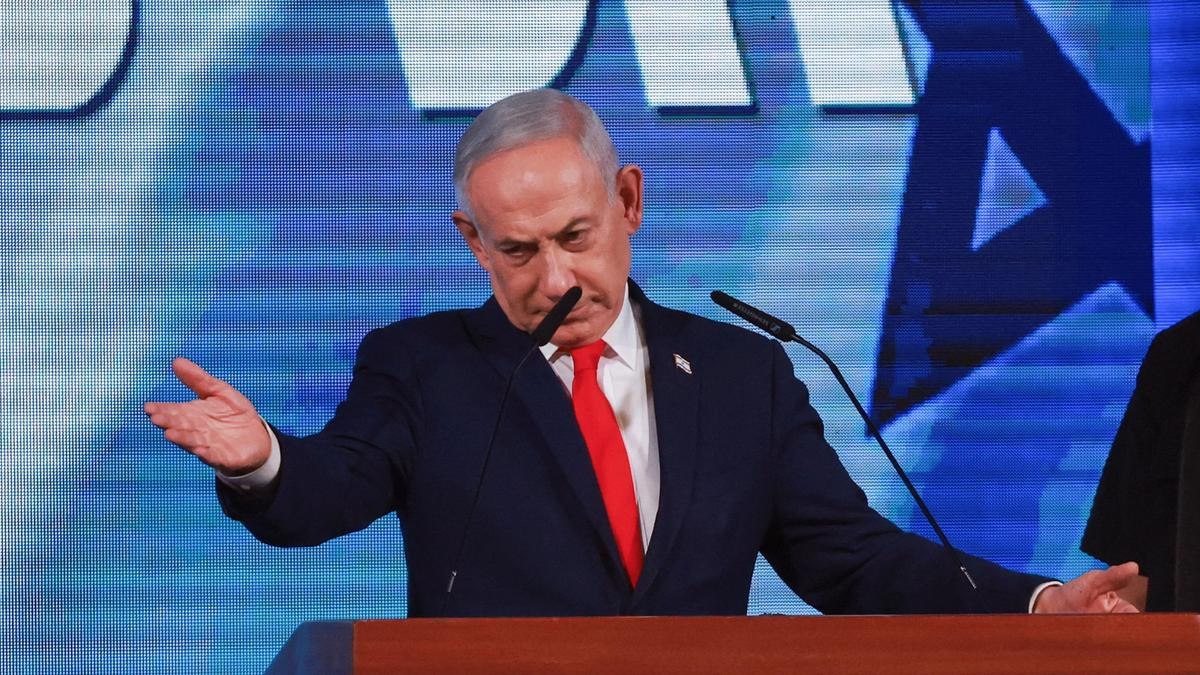
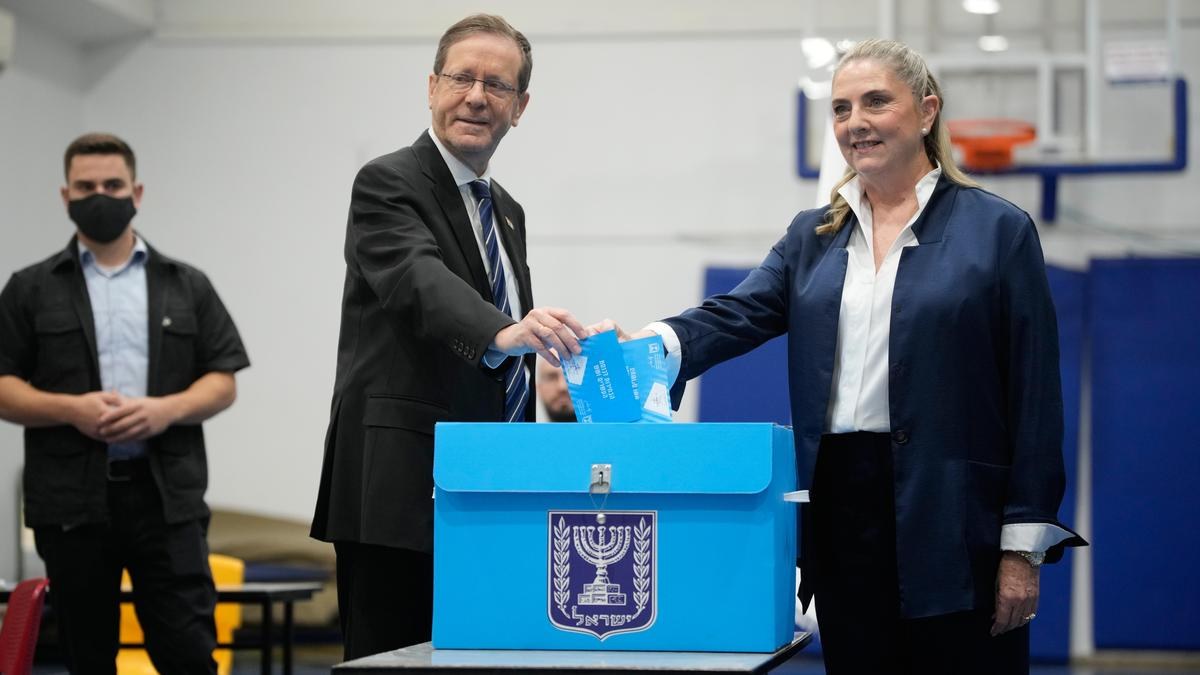
Israel’s October 27, 2026, election has left Prime Minister Benjamin Netanyahu facing an uncertain political future, with the country divided into three major blocs and no single bloc securing enough seats to govern independently.

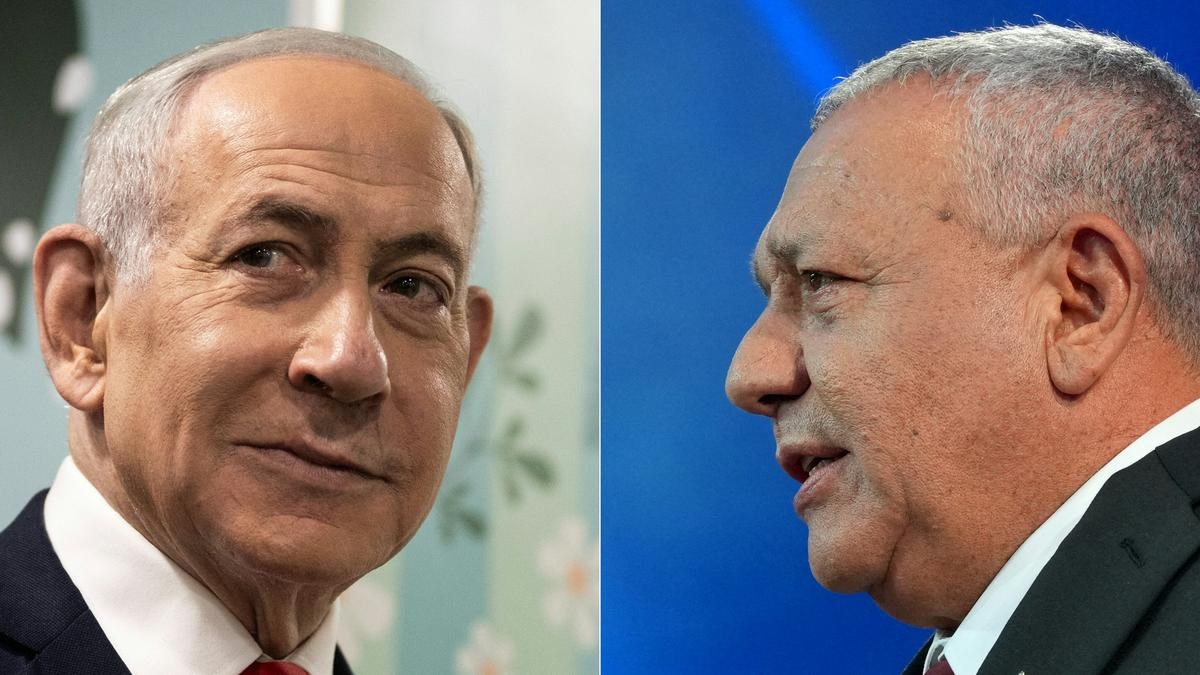
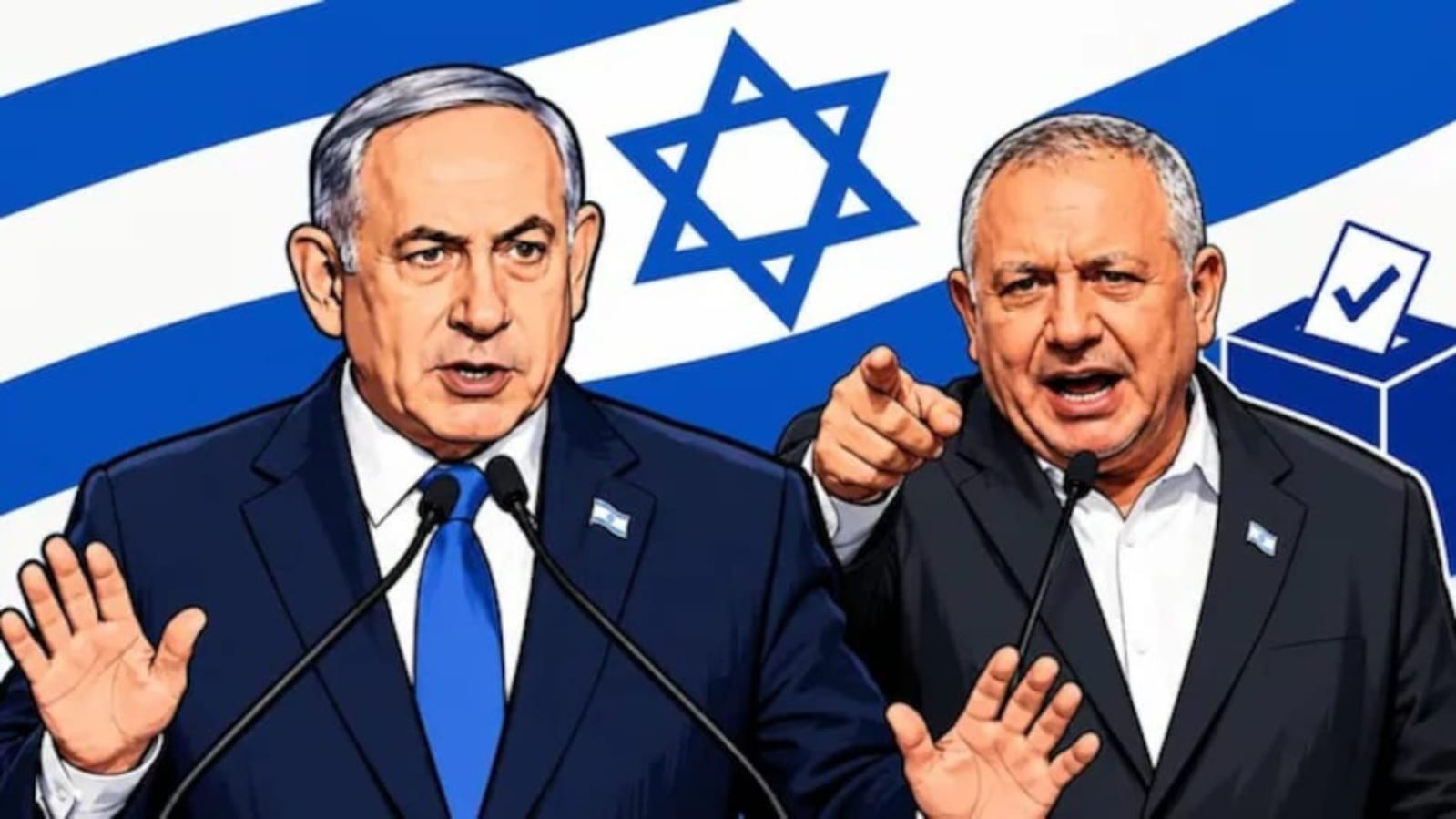
The election was widely viewed by the opposition as a referendum on Netanyahu’s leadership, following the war in Gaza, two attacks on Iran, and his firm stance against concessions to the Palestinians. Opposition leader and former military chief Gadi Eisenkot sought to use the election to end Netanyahu’s long tenure in power.
With nearly 90% of votes counted, Netanyahu’s right-religious coalition had secured 53 seats in the 120-member Knesset, falling eight seats short of the 61 required for a majority.
Netanyahu’s Likud party remained the largest individual party with 26 seats, down from 32 in the previous election. His far-right allies also recorded limited gains or losses compared with their earlier strength. Otzma Yehudit, led by Itamar Ben-Gvir, won seven seats, while Bezalel Smotrich’s Religious Zionism secured six.
The religious parties Shas and United Torah Judaism each won seven seats, contributing to Netanyahu’s overall bloc.
The results leave Israel facing difficult coalition negotiations. Although Netanyahu is weakened, he is not necessarily out of contention for power. The final outcome will depend on negotiations among political parties and whether competing blocs can agree on a viable governing arrangement.
The election has therefore produced a political stalemate rather than a clear transfer of power, leaving Netanyahu’s leadership and the future composition of Israel’s government uncertain.

0 comments
No comments yet. Yours would be the first.