
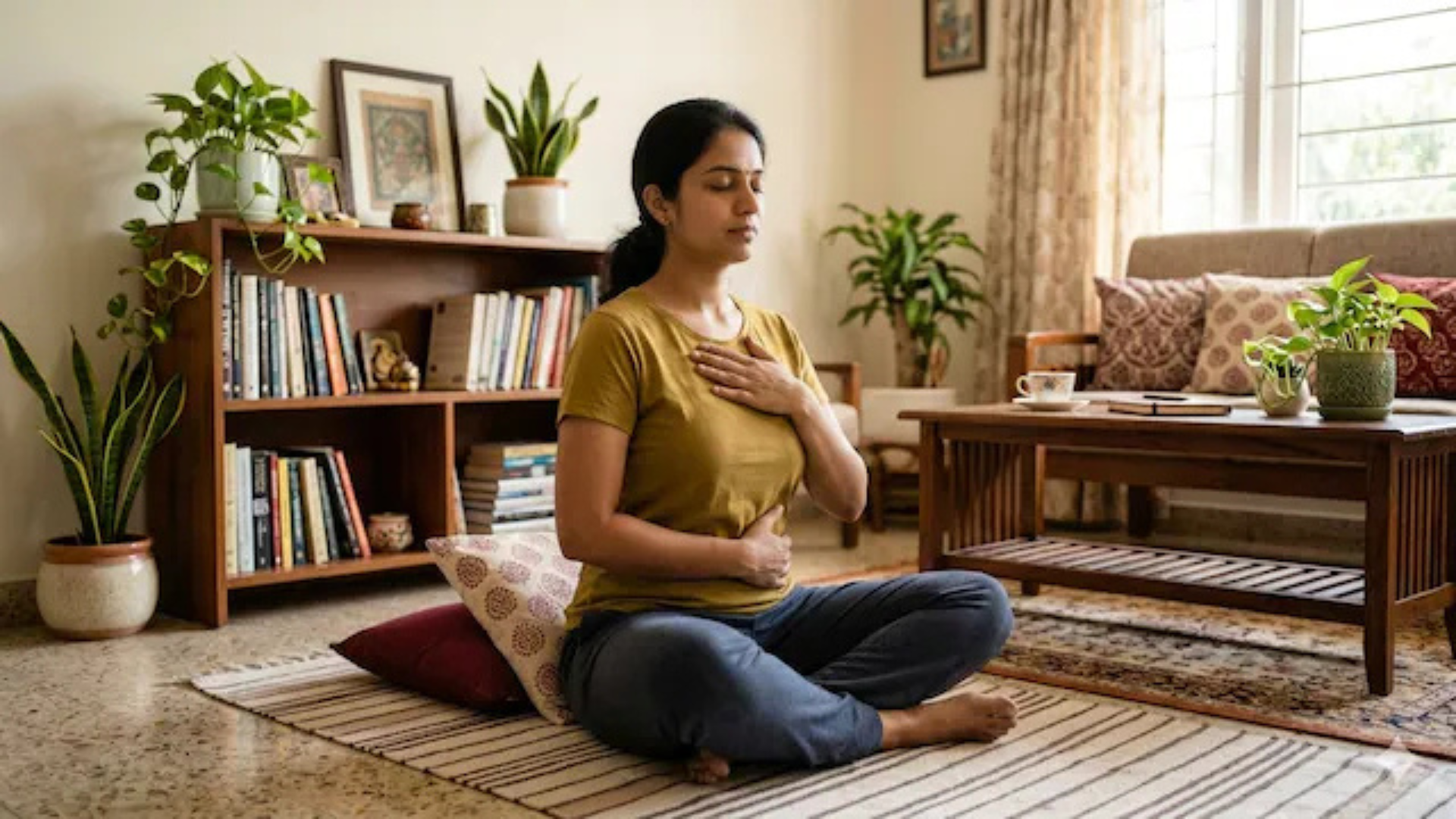
Stress can affect more than emotional well-being. It may also influence digestion, gut sensitivity and bowel habits through the gut-brain axis, the two-way communication system connecting the brain and digestive tract.
Gastroenterologist Dr Saurabh Sethi has shared three relaxation techniques he uses when he feels stressed. These include physiological sighs, tense-and-release exercises and Brahmari breathing. Simple relaxation practices may help people manage stress, although they are not a replacement for medical treatment for digestive conditions.
The first technique is the physiological sigh, which involves taking a deep breath in through the nose, followed by a second, shorter inhale before slowly exhaling. This breathing pattern can help some people feel calmer when tension builds. It should be performed gently, without forcing the breath.
The second technique is a tense-and-release exercise, commonly known as progressive muscle relaxation. It involves briefly tightening a muscle group and then releasing the tension. Moving through areas such as the shoulders, hands and legs may help people notice and reduce physical tension associated with stress.
The third technique is Brahmari, or humming-bee breathing, a practice in which a person inhales gently and makes a steady humming sound while exhaling. The slow breathing and focus on the sound may encourage relaxation.
The gut and brain continuously exchange signals, and stress can affect how the digestive system functions. Relaxation techniques, adequate sleep, regular physical activity and balanced meals may support overall well-being. However, their effects vary from person to person.
Persistent abdominal pain, ongoing changes in bowel habits, blood in the stool or unexplained weight loss should be assessed by a healthcare professional rather than attributed to stress alone.





0 comments
No comments yet. Yours would be the first.