
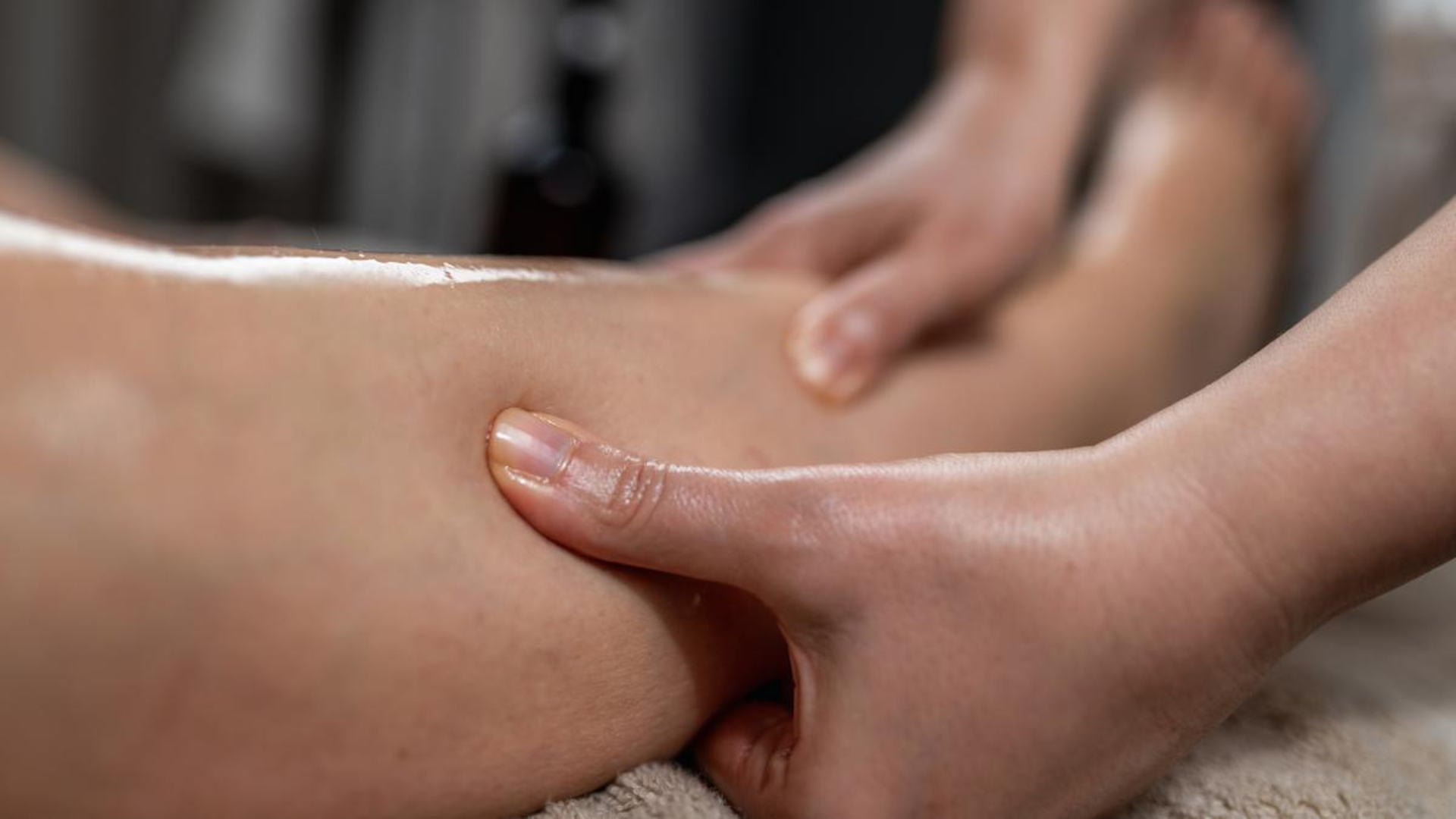
Lymphatic drainage massage has gained popularity on social media as a wellness treatment, with influencers promoting it for facial definition, detoxification and weight loss. However, health experts caution that some of these claims are unsupported. While the technique may help reduce facial puffiness and manage swelling in certain medical conditions, it does not provide a proven method of removing toxins or losing body fat.
The lymphatic system plays an important role in maintaining fluid balance and supporting immune function. Lymph is a clear fluid derived from blood plasma that circulates through lymphatic vessels, carrying white blood cells and other substances. Lymph nodes filter this fluid before it returns to the bloodstream.
When the lymphatic system does not drain fluid effectively, lymph can accumulate in body tissues, causing swelling in areas such as the arms, legs and ankles. This condition is known as lymphoedema.
Lymphatic drainage massage uses gentle, carefully directed movements to encourage the movement of lymph towards functioning drainage pathways. When performed by a trained professional, it may form part of treatment for lymphoedema and other conditions involving fluid accumulation. Facial massage may also temporarily reduce puffiness in some people.
However, results vary depending on the underlying cause of swelling, and the treatment should not be confused with a detoxification procedure or a weight-loss intervention.
The technique is not appropriate for everyone. People with suspected or confirmed blood clots, deep vein thrombosis, certain heart conditions or acute infections such as cellulitis may need to avoid lymphatic massage because it could worsen their condition or create additional risks.
Anyone experiencing unexplained or persistent swelling should seek medical assessment before attempting treatment. People with diagnosed lymphatic disorders should consult a qualified healthcare professional about suitable techniques and treatment plans.




0 comments
No comments yet. Yours would be the first.