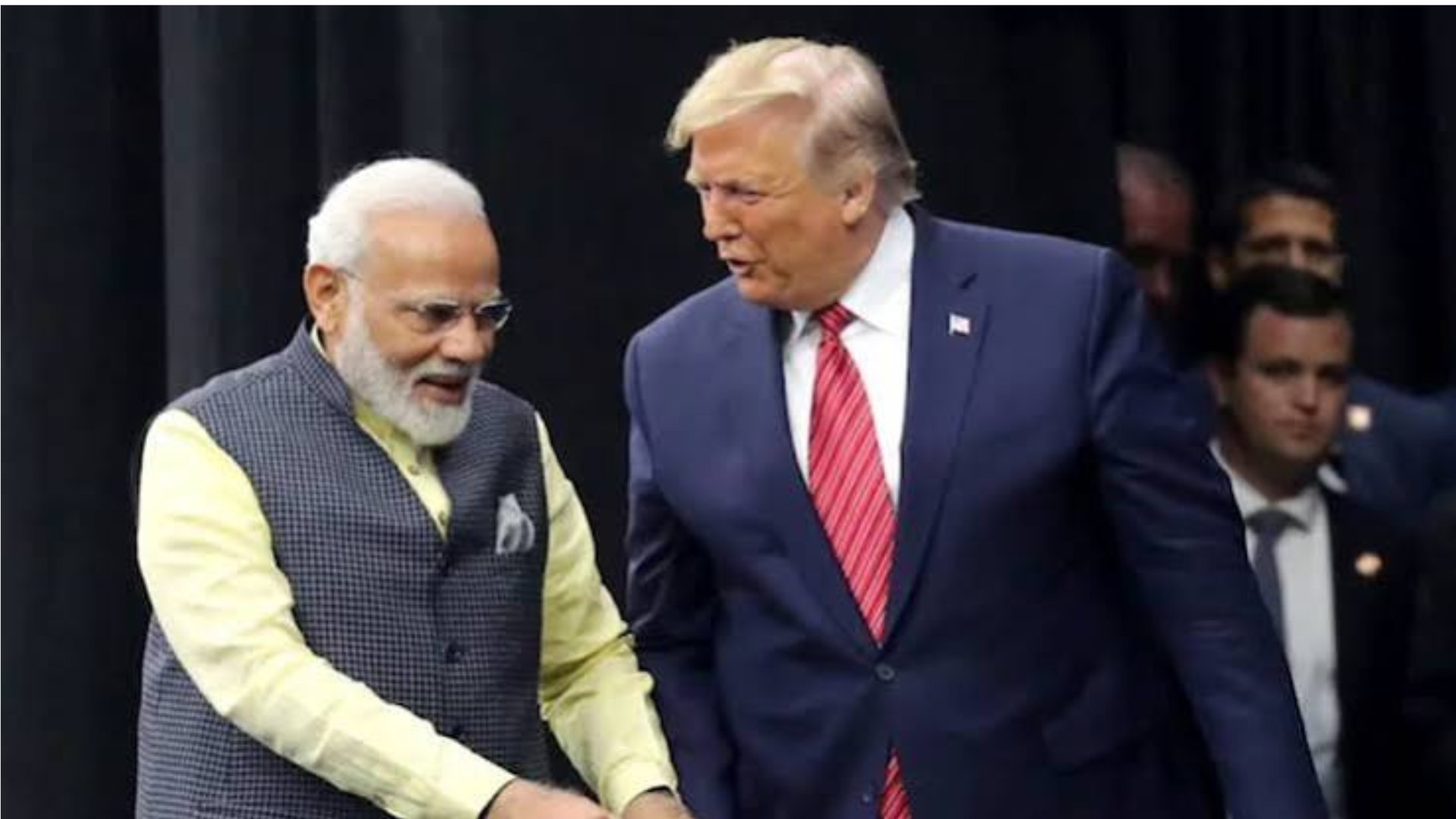
US President Donald Trump's America First policies are creating fresh challenges for Indian businesses, affecting sectors ranging from information technology and textiles to pharmaceuticals and manufacturing. While higher trade barriers and stricter immigration policies are putting pressure on Indian companies, changes in global supply chains could also create new opportunities.

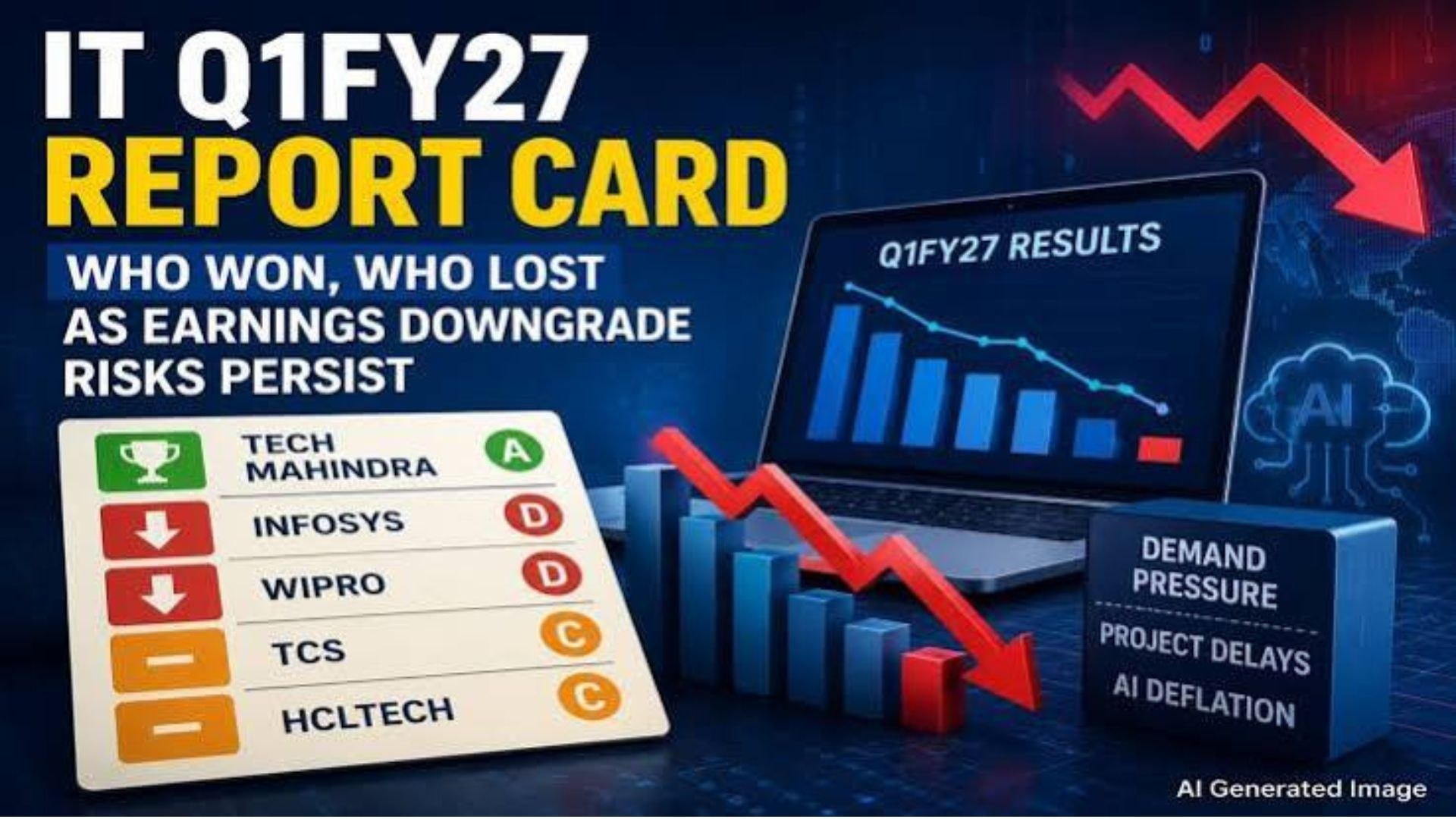
The Indian IT industry is facing uncertainty over US immigration and employment policies. Major companies, including Infosys, Tata Consultancy Services (TCS), Wipro and HCL Technologies, could face challenges from tighter visa regulations and restrictions affecting employment-based green-card sponsorships.
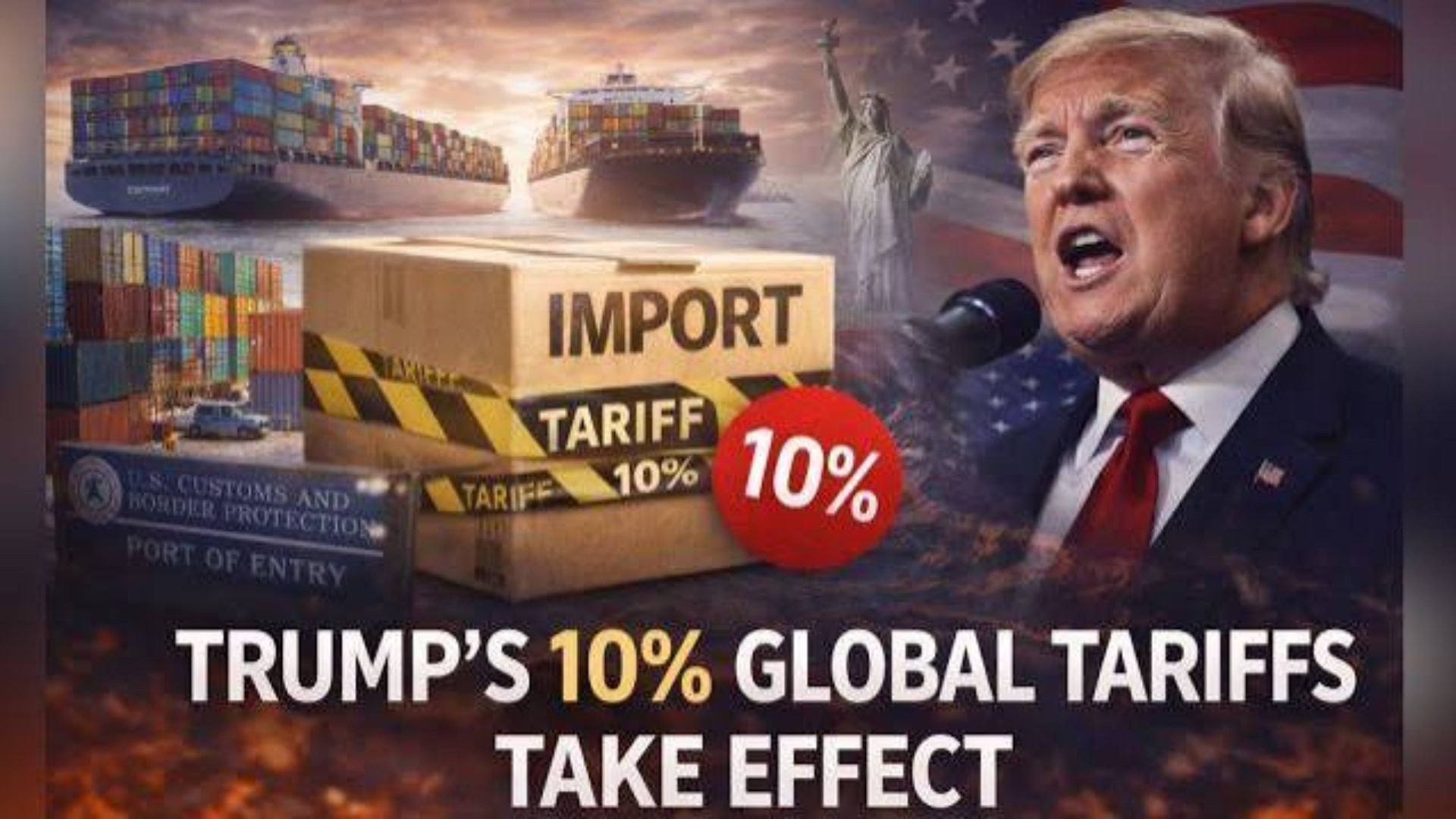
The textile and garment industry is another sector facing pressure. Higher US tariffs on selected Indian products have raised export costs, affecting manufacturing hubs such as Tiruppur and Surat. Uncertainty over trade conditions has also created concerns about orders, demand and factory expansion.
The pharmaceutical sector faces a mixed outlook. Although certain products have received tariff exemptions, India's dependence on the US market leaves exporters exposed to future policy changes. Auto component manufacturers are also dealing with potential cost and demand pressures.
However, Trump's trade strategy could create opportunities for Indian electronics manufacturers and supply-chain businesses as US companies explore alternatives to Chinese manufacturing. Digital payment and cross-border financial service providers may also benefit from changing international trade and payment arrangements.
Meanwhile, Trump-branded real estate projects continue to expand across Indian cities, highlighting a different commercial dimension of India-US economic ties.
Overall, Trump's policies present both risks and opportunities for Indian businesses, making trade negotiations, market diversification and policy stability increasingly important.





0 comments
No comments yet. Yours would be the first.