
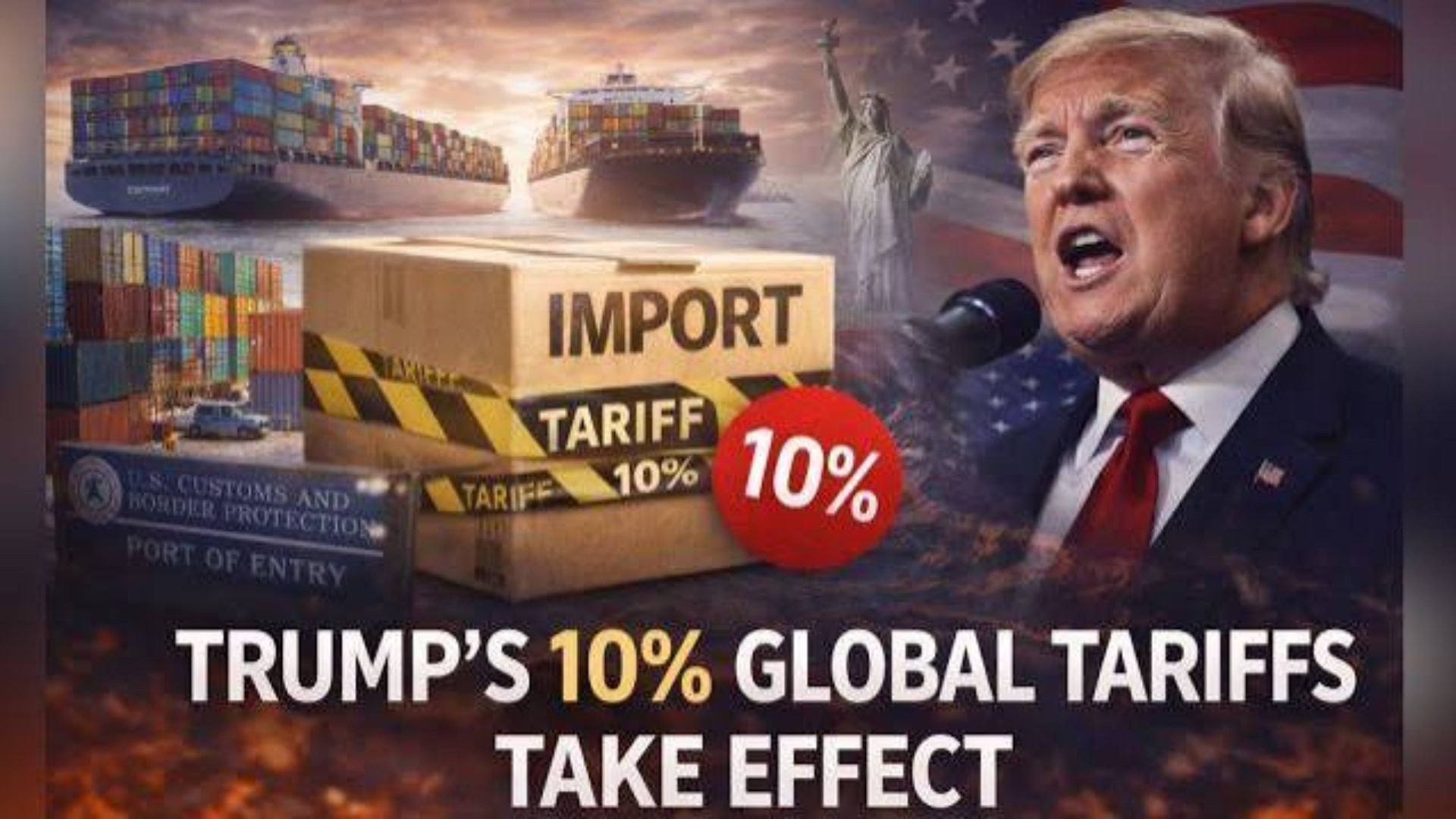
The US midterm elections in November 2026 may not bring immediate relief to Indian exporters facing tariff uncertainty under President Donald Trump. Even if Democrats gain control of the House of Representatives, existing executive powers could allow the administration to maintain much of its trade policy.

A report dated October 4 by global brokerage Jefferies expects the average effective US tariff rate to remain between 10% and 20%, even if political power is divided between Republicans and Democrats. This suggests that a shift in congressional control may not significantly change the costs faced by exporters.
Historically, the party occupying the White House has lost House seats in 18 of the 20 US midterm elections held since World War II. Jefferies therefore sees a Democratic House victory as a possibility, but expects its direct impact on tariff policy to remain limited.
A Democratic-controlled House could increase scrutiny of the administration's trade decisions through hearings and investigations, particularly over the impact of tariffs on consumer prices. However, major changes to existing trade restrictions may remain difficult to achieve.
India also faces uncertainty over its trade and energy ties with Russia. According to the report, legislation signed by Trump on September 18 allows the US president to impose tariffs of up to 100% on major buyers of Russian oil and gas, including India and China.
For Indian businesses, the election outcome alone may not resolve concerns over export costs and market access. Tariff decisions, executive authority and broader US-India relations will remain important factors shaping the trade outlook.



0 comments
No comments yet. Yours would be the first.