
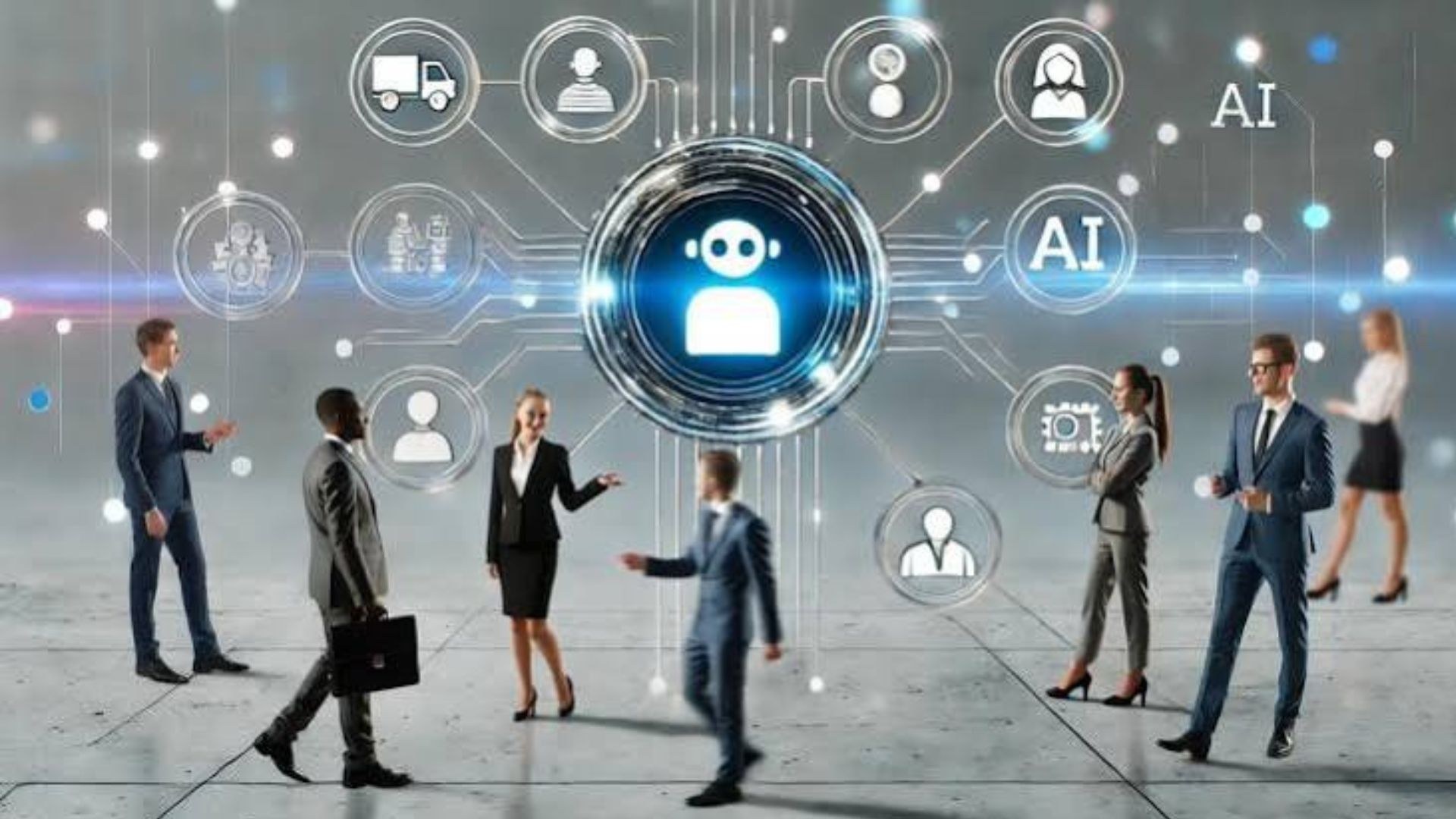
AI agents are beginning to transform how businesses operate, from writing software and resolving customer complaints to monitoring networks and processing financial transactions. For India's IT services industry, this shift could reshape business models, workforce requirements and the skills employers value most.

Unlike conventional chatbots that primarily answer questions or generate content, AI agents can perform multi-step tasks with varying levels of autonomy. Tools such as Claude Code, GitHub Copilot and Devin are being used to support software development, testing, debugging and other engineering activities. IT companies are also exploring agents for customer service, IT troubleshooting, documentation and back-office operations.
The shift could create financial pressure for Indian IT services firms. As AI improves productivity, clients may expect lower prices and pass those efficiency gains back into contracts. This could put pressure on profit margins even as companies invest in new AI platforms and capabilities.
Employment is another major concern. Routine coding, basic technical support and repetitive administrative work are increasingly suitable for automation. However, this does not necessarily mean every affected role will disappear. Many jobs may change as employees spend less time on routine execution and more on complex problem-solving, system design, quality checks and customer relationships.
The demand for skills is likely to evolve. Engineers may need to become better at defining business requirements, guiding AI systems, reviewing machine-generated code and identifying errors. Critical thinking, domain expertise, cybersecurity awareness and sound judgement could become increasingly valuable.
AI agents also introduce risks, including data leaks, unauthorised access and operational failures. Businesses will need clear controls, human oversight and reliable testing before allowing autonomous systems to handle sensitive tasks.
For India's IT workforce, the key question is no longer simply whether AI will be adopted, but how quickly workers and companies adapt. As AI tools become more widely available, competitive advantage may depend on proprietary knowledge, reliable execution and knowing when human judgement is essential.




0 comments
No comments yet. Yours would be the first.