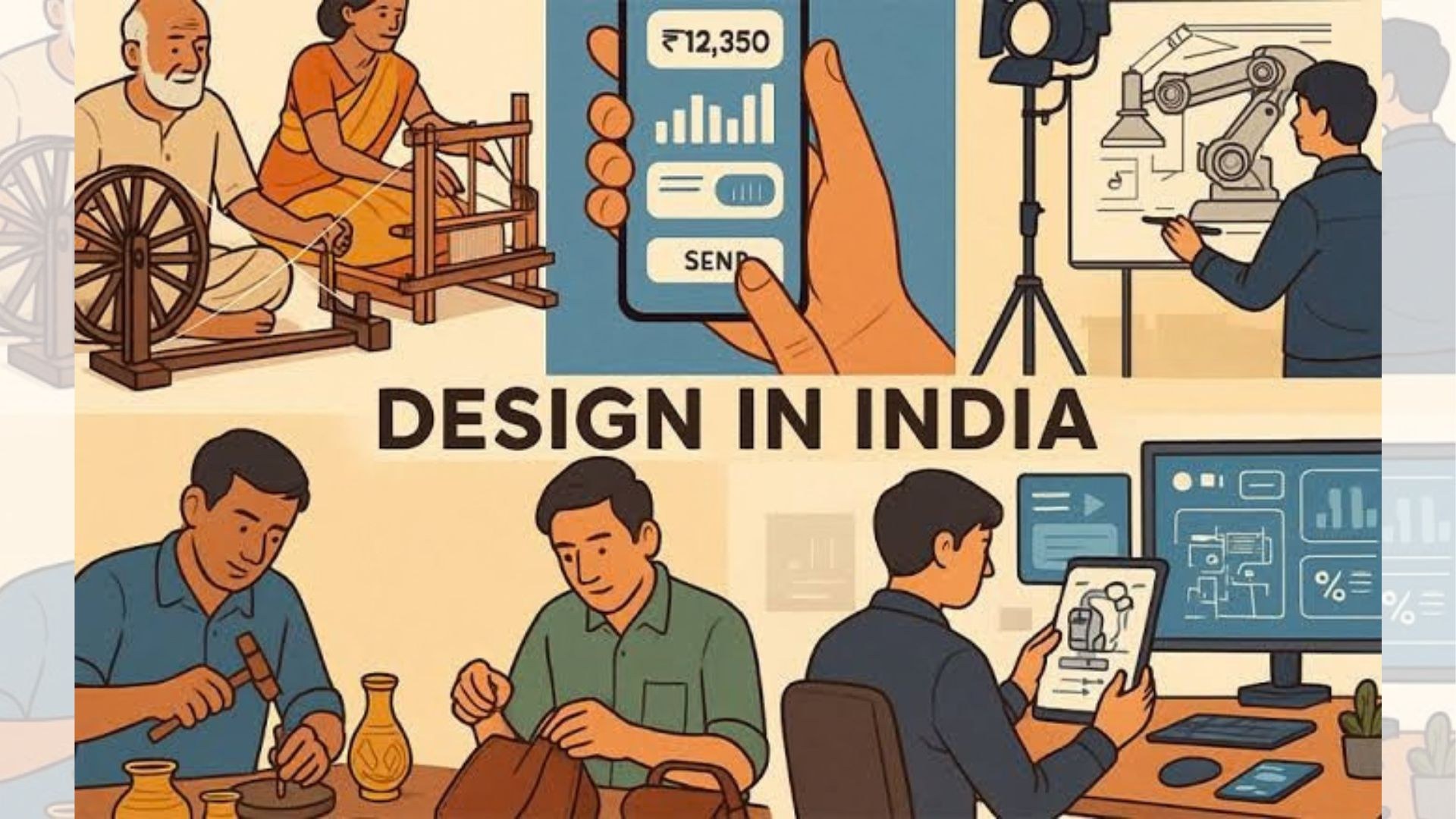
Indian culture is increasingly shaping modern design, opening new possibilities for professionals across fashion, product design, graphics, automotive design, animation and interiors. Designers are drawing inspiration from traditional art, architecture, craft techniques and local materials to create work that connects India's cultural heritage with contemporary needs.

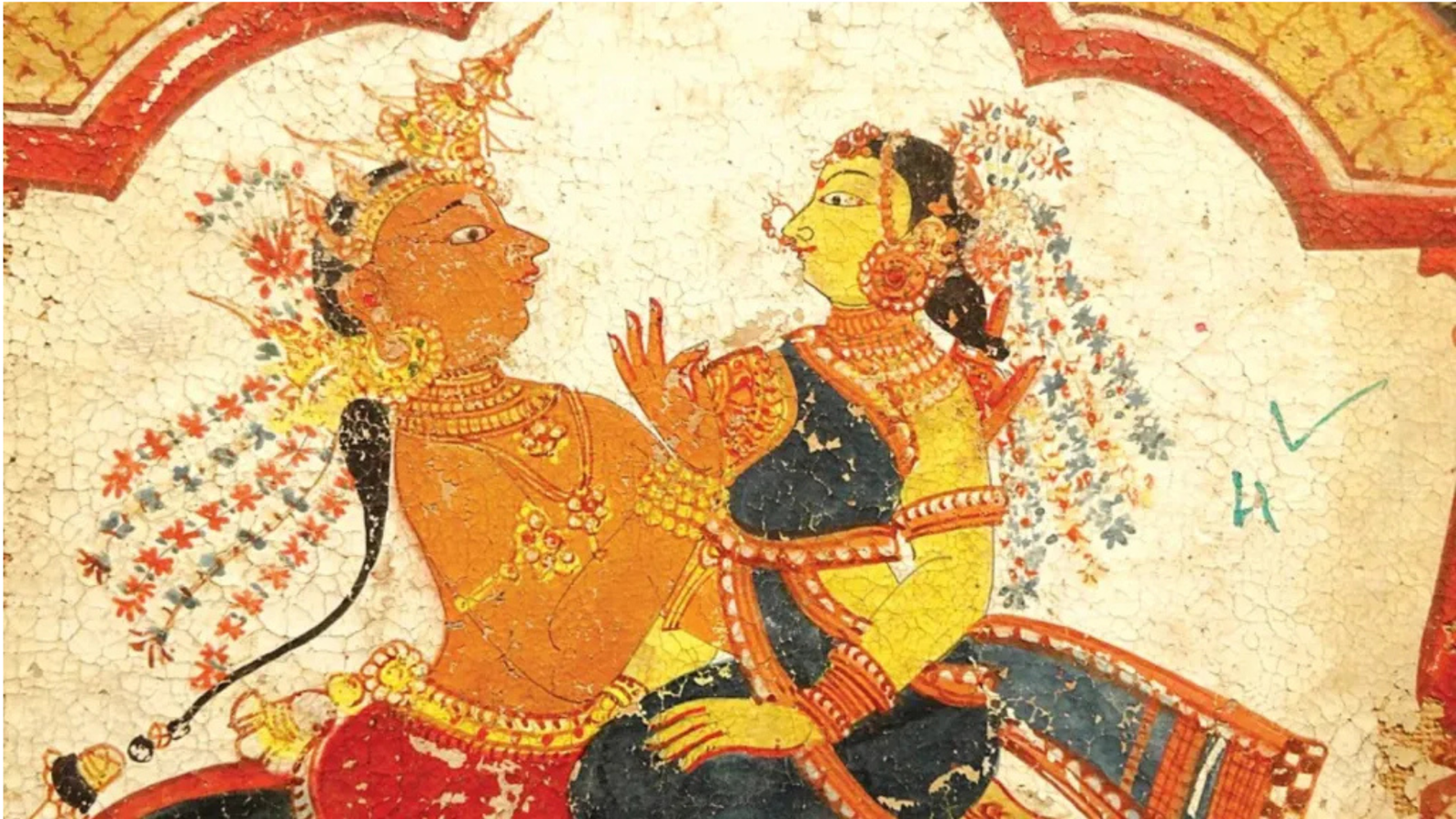
At this year's Paris Haute Couture Week, Indian fashion designer Rahul Mishra presented his collection, “Devi: The Eternal Muse”, inspired by the forms and details of ancient Indian temples. The collection featured raised, three-dimensional embroidery that did more than decorate the fabric. The threadwork helped create the structure and shape of the garments, making embroidery an integral part of their construction.
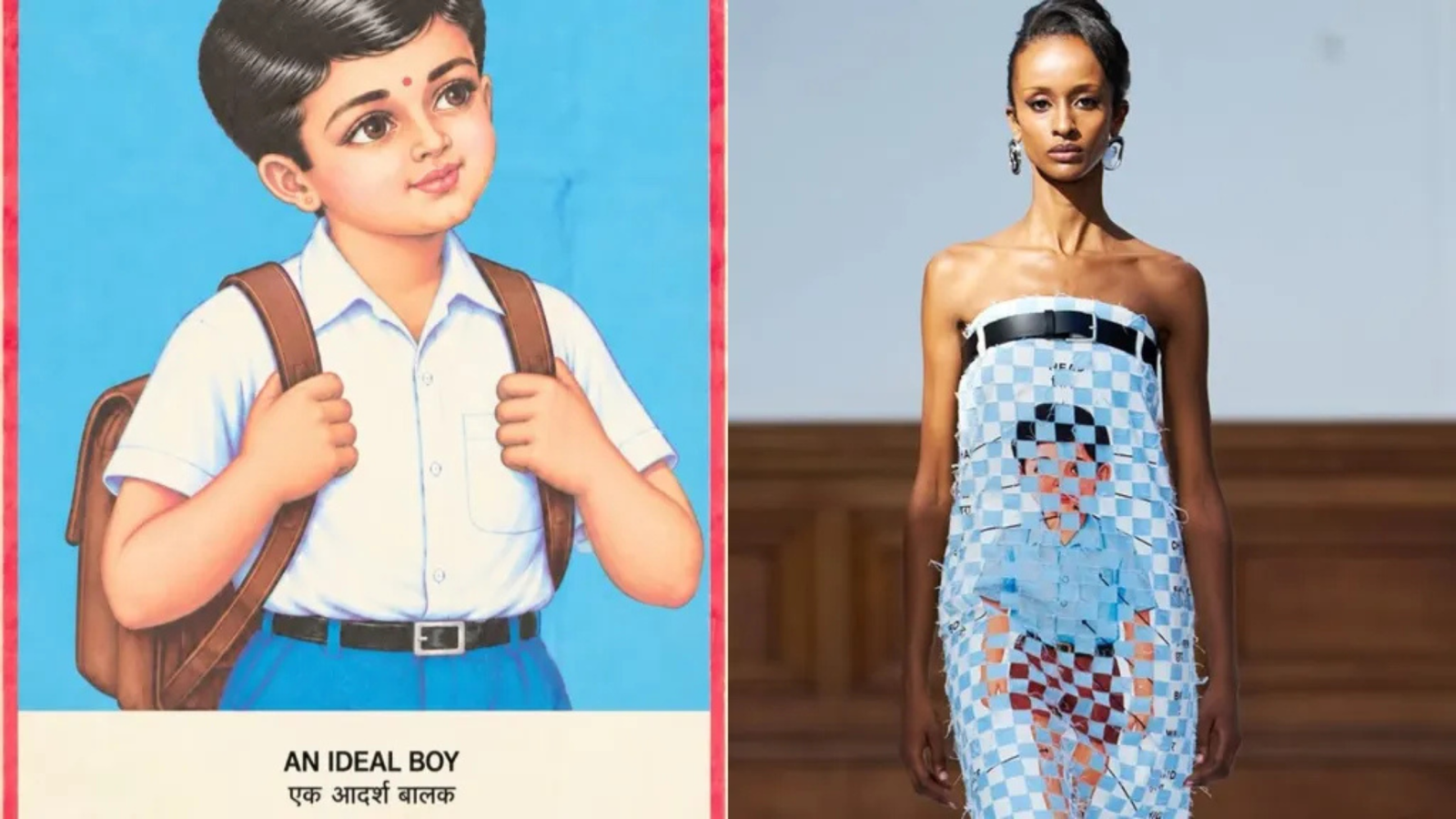
This approach reflects a wider shift in the design industry. Instead of simply adding traditional motifs to Western-inspired designs, Indian designers are exploring how indigenous techniques and cultural knowledge can influence the way products are conceived and made. The result is an approach in which heritage serves as a practical source of innovation rather than just a visual reference.
The movement extends beyond fashion. In product and industrial design, Indian companies and designers are exploring forms and functions that can establish a recognisable identity in international markets. Royal Enfield, for example, has developed a distinctive global presence through the exposed engines, upright riding position and mechanical simplicity of its motorcycles. Its identity has been shaped in part by industrial designer S. Sivakumar and the company's Indian design team.
Such examples point to the growing importance of design in defining how Indian products are recognised around the world. Cultural influences can provide designers with a distinctive starting point, while contemporary engineering, materials and manufacturing methods help translate those ideas into products for modern consumers.
The shift also creates opportunities for people entering creative fields. Fashion, graphics, animation, interiors and industrial design offer different ways to combine cultural research with practical problem-solving. Designers who understand traditional techniques while developing skills in digital tools, visual communication, material exploration and user-focused design may be well placed to contribute to this changing landscape.
As Indian designers continue to reinterpret native traditions for contemporary audiences, the country's cultural diversity could become an increasingly important source of design ideas. The challenge will be to move beyond surface-level references and develop original work that respects its cultural roots while meeting modern expectations.






0 comments
No comments yet. Yours would be the first.