Academic qualifications do not always prepare people to handle important everyday challenges. In India, gaps in health, financial, legal and artificial intelligence (AI) literacy can leave even highly educated individuals vulnerable to poor decisions, misinformation and financial losses.

A hypothetical family illustrates this problem through four different experiences. A retired public sector engineer loses ₹24 lakh after falling for a digital arrest scam in which someone posing as a police officer demands an immediate transfer of his pension savings. His son, a software developer, loses ₹15 lakh in financial derivatives trading after initially making a profit of ₹3 lakh.
The family's daughter-in-law, an advocate, delays a doctor-recommended scan because of a WhatsApp message claiming that scans spread cancer. Meanwhile, their grandson's college assignment, prepared using ChatGPT, is rejected after the AI tool provides misleading information.
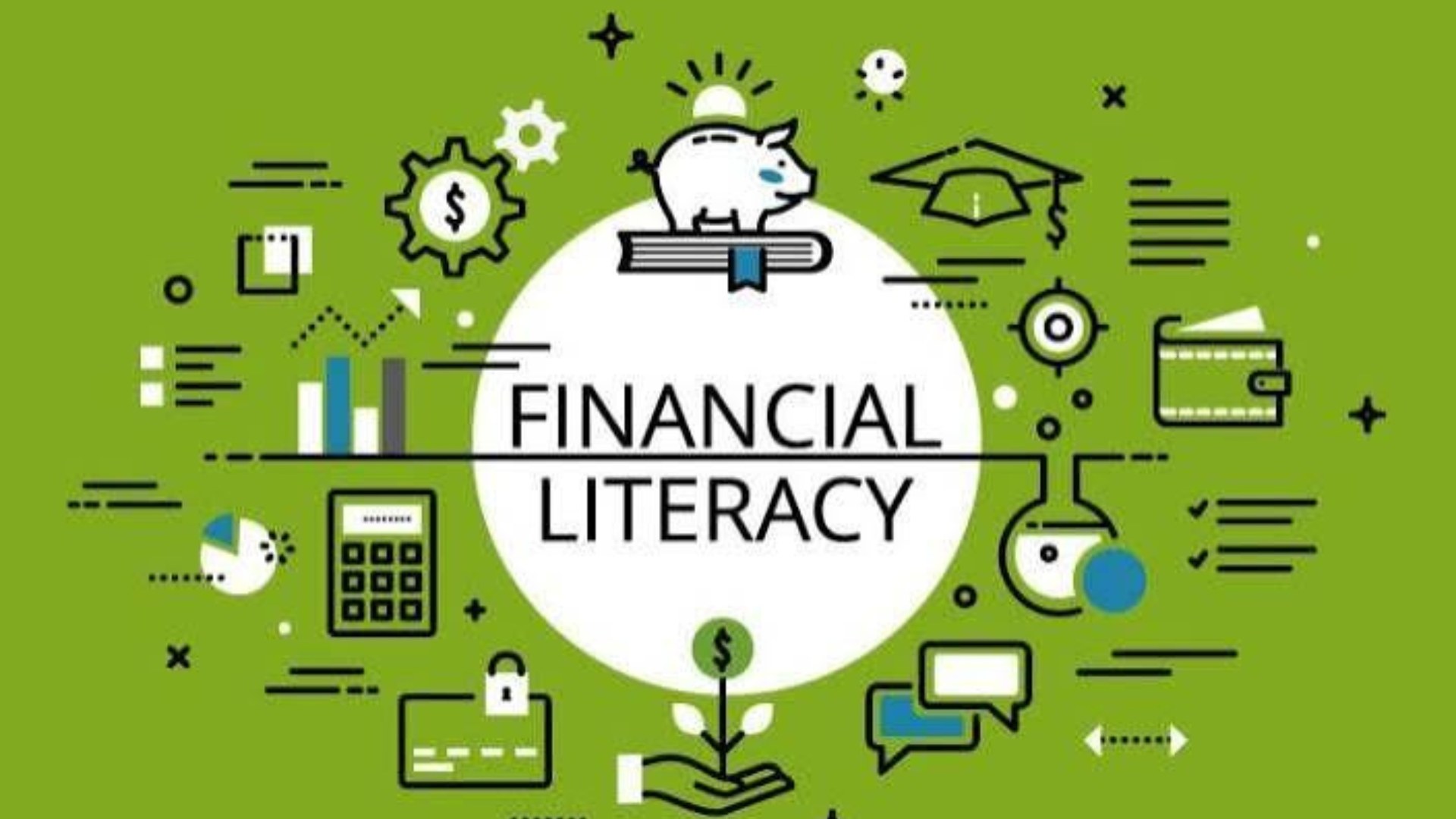
These examples highlight four areas of literacy that are important beyond formal education. Financial literacy helps people understand money and manage risks, while legal literacy builds awareness of basic rights and laws. Health literacy enables individuals to make informed healthcare decisions, and AI literacy helps users understand the technology's limitations and verify the information it generates.
The article argues that Indian colleges often equate life skills with communication, teamwork, presentations and interview preparation. Although these abilities can support employment, they do not replace practical knowledge needed to navigate daily life.
The central concern is that educational qualifications alone cannot guarantee informed decision-making. Building these essential literacies is equally important for individuals to protect their health, finances and interests in an increasingly digital world.






0 comments
No comments yet. Yours would be the first.