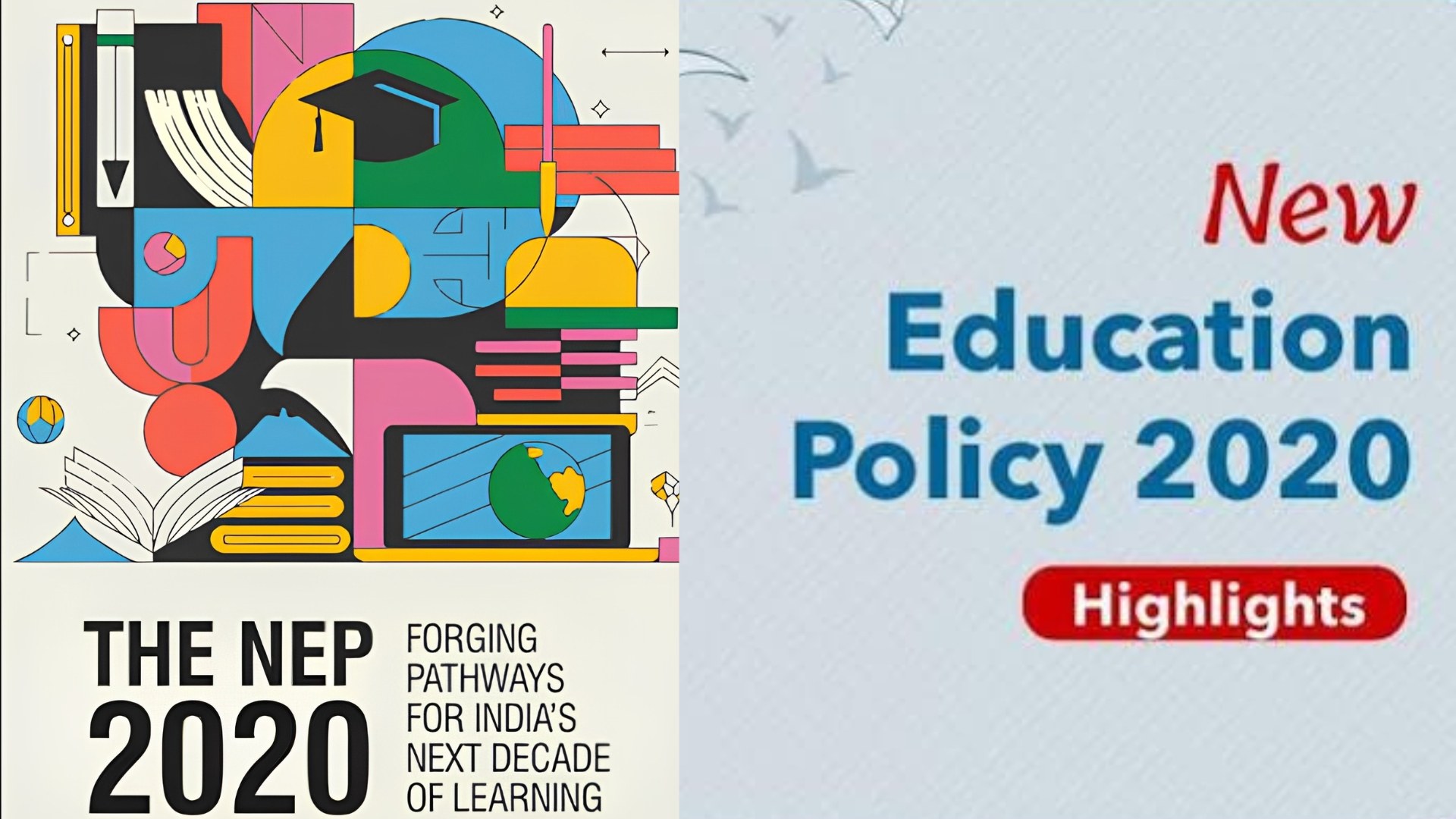
India’s education system serves hundreds of millions of students through a vast network of schools, colleges and universities. The National Education Policy (NEP) 2020 aims to improve access, learning outcomes and skill development, while education statistics help track progress and identify gaps across the country.

The supplied figures place India’s school network at approximately 14.67 lakh to 14.71 lakh schools, serving nearly 24.7 crore students with more than one crore teachers. Government schools account for around 69% of all schools and nearly half of total student enrolment, while private unaided institutions represent approximately 23% of the school network. These figures should be checked against the relevant official UDISE+ report because totals can vary by reporting year and methodology.
Enrolment remains relatively strong at the primary level, but participation tends to decline at higher stages of education. The reported national pupil-teacher ratio is around 24 students per teacher, below the NEP 2020 benchmark of 30:1 for school education. However, national averages can hide local shortages, particularly in small and rural schools where a single teacher may be responsible for several classes.
NEP 2020 introduced a 5+3+3+4 curricular structure for children aged 3 to 18, replacing the conventional 10+2 framework. It places greater emphasis on early childhood care, foundational literacy and numeracy, and instruction in the home language or mother tongue wherever possible during the early years. Higher education reforms also seek to expand institutional capacity and improve opportunities for collaboration with foreign universities.
Despite improvements in access and infrastructure, significant challenges remain. Enrolment alone does not guarantee strong reading and mathematics skills, and concerns about rote learning continue. School mergers and closures can also make education less accessible for children in remote communities, while uneven funding and teacher availability affect the quality of learning.
India’s public spending on education remains below the NEP’s stated aspiration of allocating 6% of GDP to education. Higher education also faces questions about curriculum relevance, practical skills and graduate employability.
The next stage of reform will depend not only on expanding access but also on improving classroom teaching, supporting teachers, strengthening foundational learning and ensuring that students in disadvantaged communities benefit from educational progress.





0 comments
No comments yet. Yours would be the first.