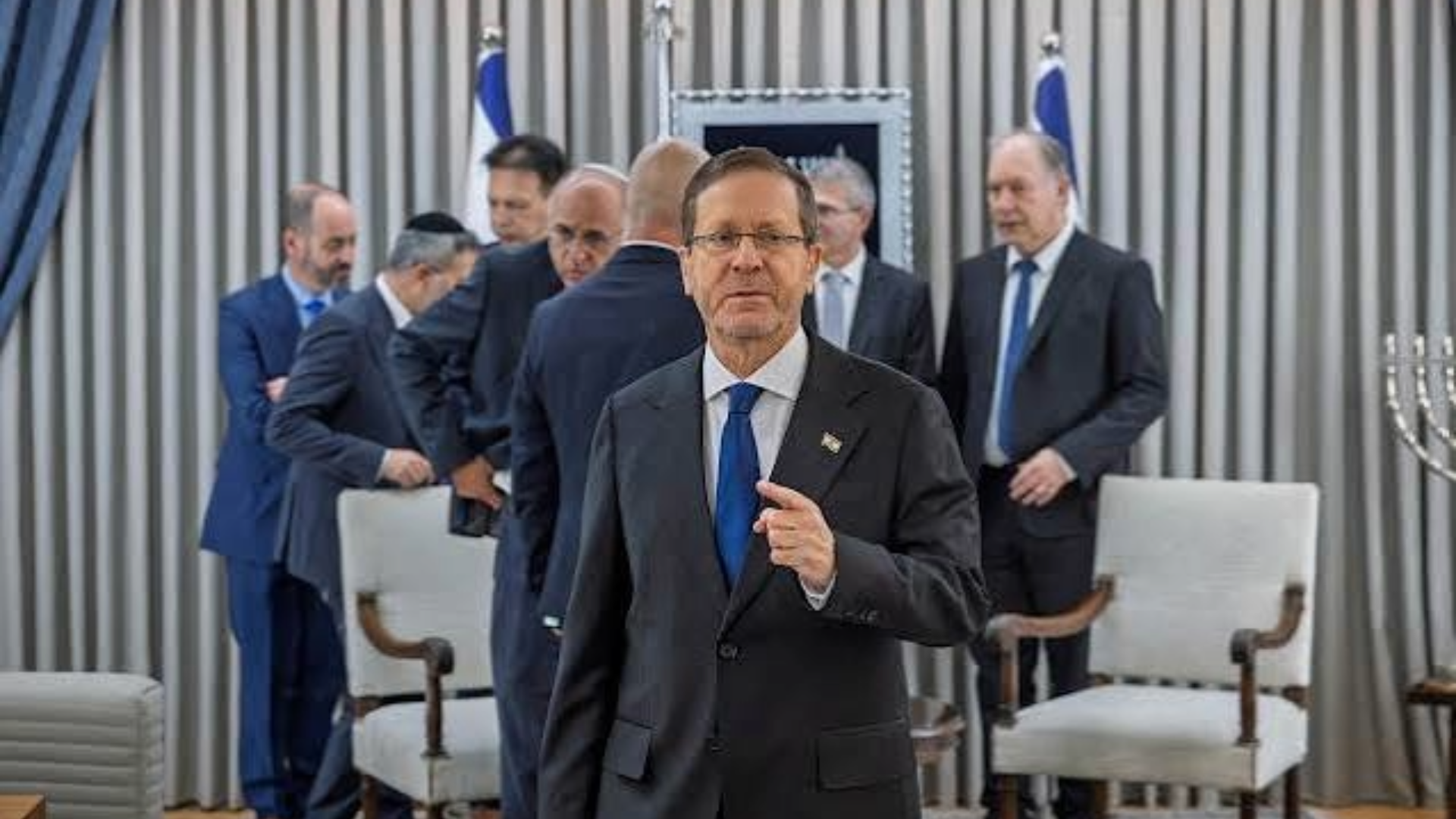
Israeli President Isaac Herzog began consultations with party leaders after receiving the October 27 general election results, launching the process of forming a government.

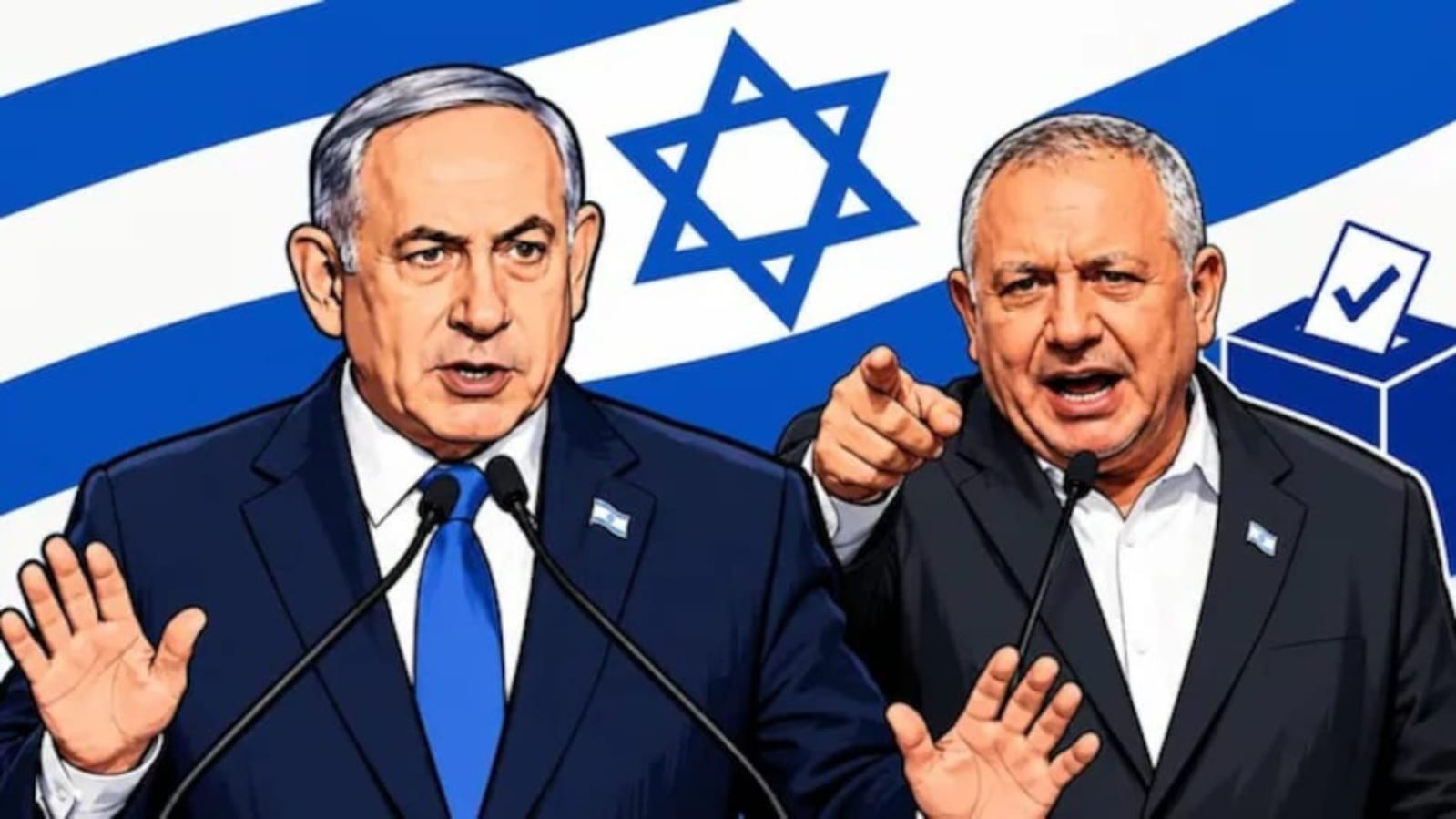
The results leave the 120-seat Knesset without a majority. Prime Minister Benjamin Netanyahu’s bloc won 53 seats, opposition leader Gadi Eisenkot’s bloc 48, and Arab-led parties a record 19. A government needs 61 seats.
The Central Elections Committee said its review found no evidence of irregularities that compromised the vote or affected its results. Netanyahu’s Likud had questioned the outcome, especially Arab-led parties’ gains.
Herzog is hearing recommendations from elected factions before selecting the candidate he considers best placed to form a coalition. Recommendations are not binding. He is expected to name a candidate within seven days of results publication.
The path to a majority remains unclear. Some ultra-Orthodox lawmakers declined to recommend Netanyahu. Opposition leaders are weighing cooperation with Arab-led parties, though such an alliance faces political hurdles. Degel HaTorah, which holds four of United Torah Judaism’s seven seats, withheld a recommendation for Netanyahu amid a dispute over military-service exemptions for ultra-Orthodox men. Opposition needs Arab-led support to reach 61.
The nominee will have 28 days to form a government, plus a possible 14-day extension. If the attempt fails, another candidate may be asked to try. Failure to secure 61 seats could lead to another election in early 2027.
Herzog urged party leaders to show flexibility and compromise. The two-day consultations will shape the next steps as factions explore whether they can bridge their differences.

0 comments
No comments yet. Yours would be the first.