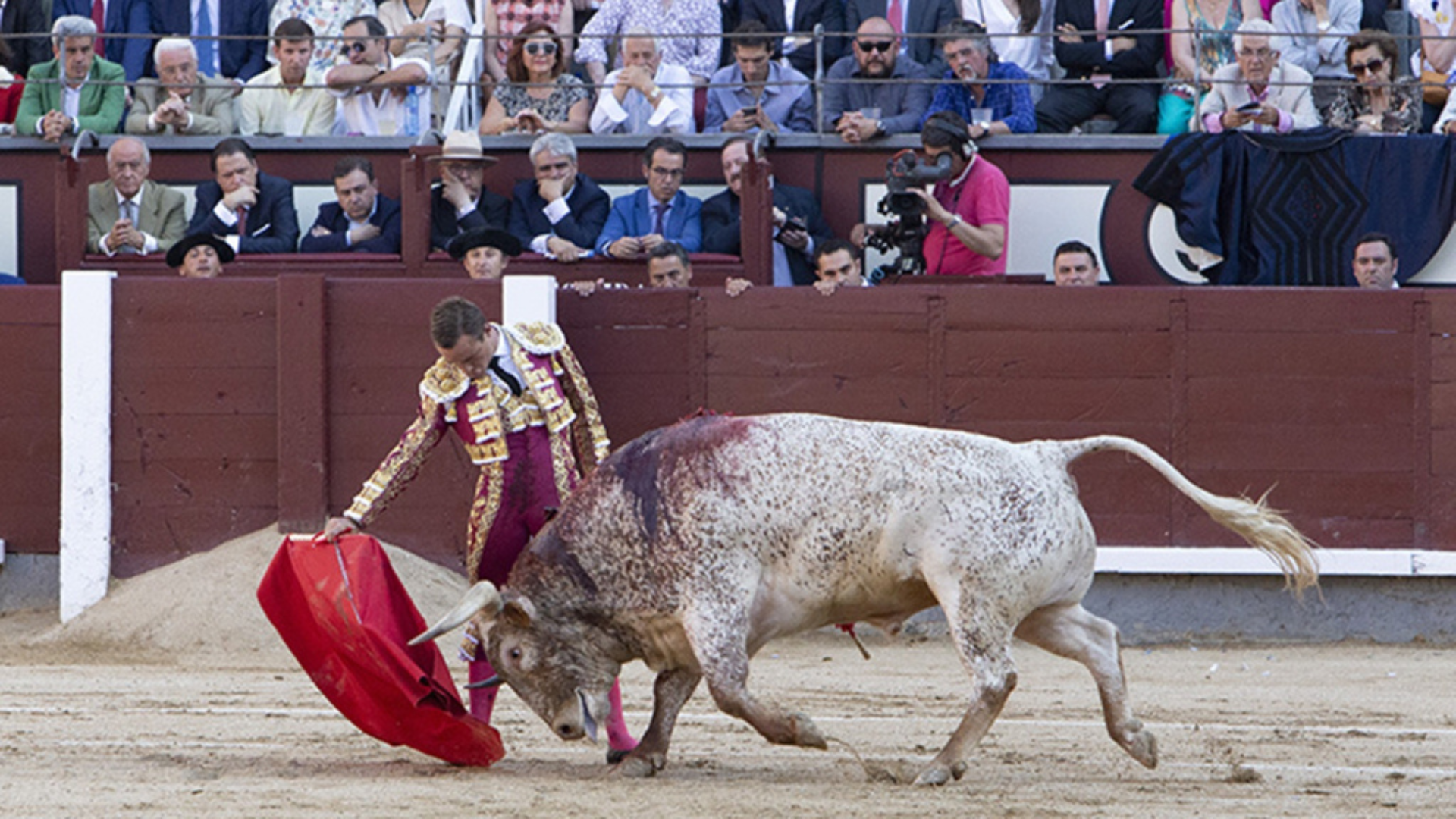
The sight of a bull charging at a matador’s red cape is one of the most recognisable images associated with bullfighting. However, the popular belief that bulls become aggressive because they see the colour red is scientifically inaccurate. Their reactions are primarily linked to movement, perceived threats and instinct. Bulls, like other cattle, have dichromatic vision, meaning they have two types of colour-sensitive cone cells in their eyes, unlike humans, who generally have three. Research suggests cattle can distinguish some colours but have limited ability to differentiate between blue and green. They do not perceive colours in the same way humans do. The movement of the cape is considered a much more important factor than its colour. Rapid or unpredictable movements can attract a bull’s attention and trigger a defensive or reactive response. Experiments conducted by the television programme MythBusters in 2007 demonstrated that bulls reacted to moving flags of different colours. A stationary red flag was ignored while a moving flag of another colour attracted attention. These demonstrations supported the conclusion that movement, rather than colour, was the primary trigger. Bulls are not naturally aggressive towards every person or object they encounter. Like other animals, they may react defensively when frightened, stressed, threatened or cornered. Their behaviour can also depend on temperament and environmental conditions. The red cape, known as the muleta, remains part of traditional bullfighting. Its colour is significant to human spectators and tradition, rather than being a special trigger for the animal. Understanding cattle behaviour helps explain why the familiar association between red and aggression is largely a cultural myth.






0 comments
No comments yet. Yours would be the first.