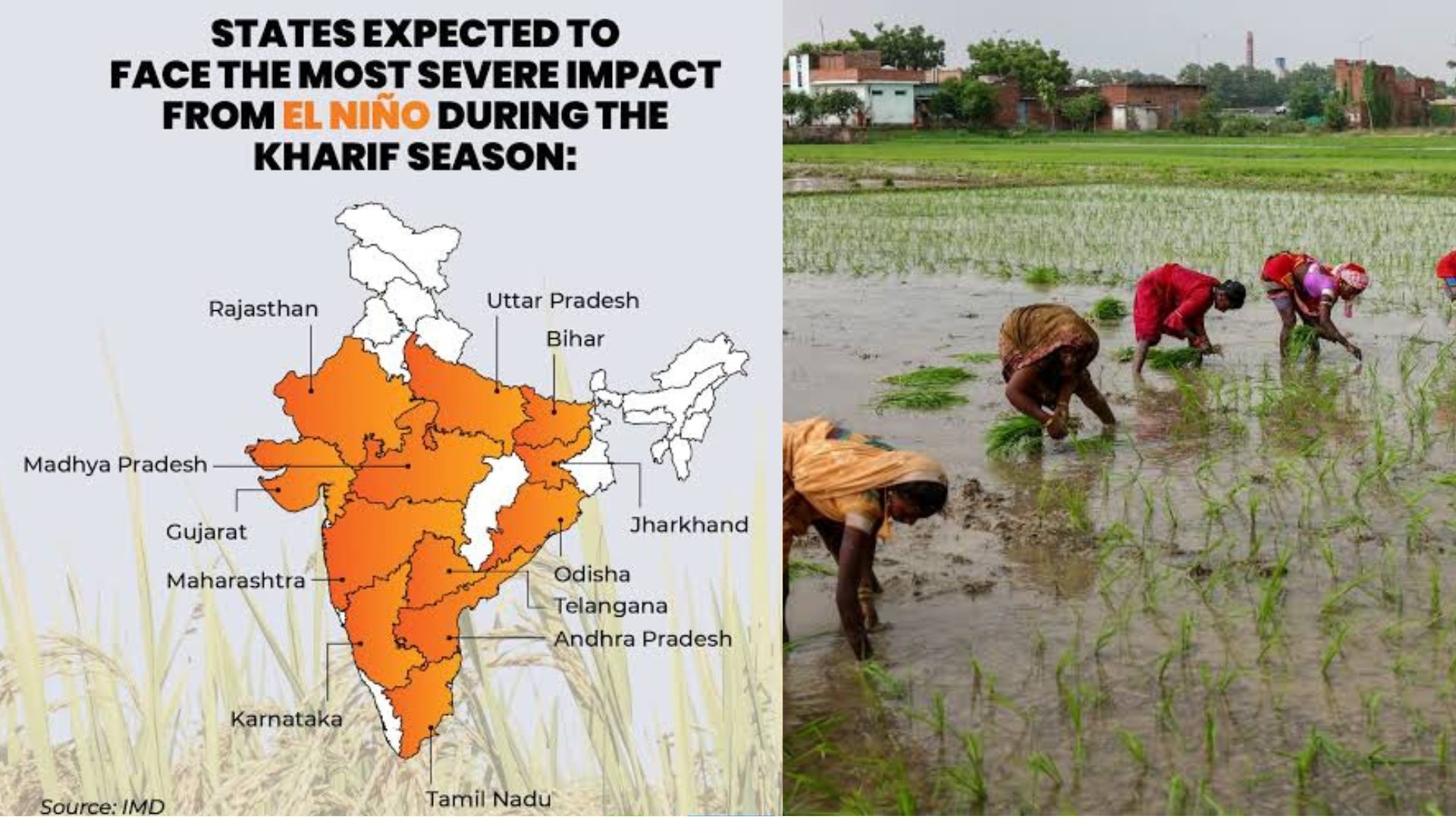
The Centre has prepared a contingency plan for the upcoming rabi season covering 225 districts across India as concerns grow over the impact of deficient monsoon rainfall and strengthening El Niño conditions on agriculture.

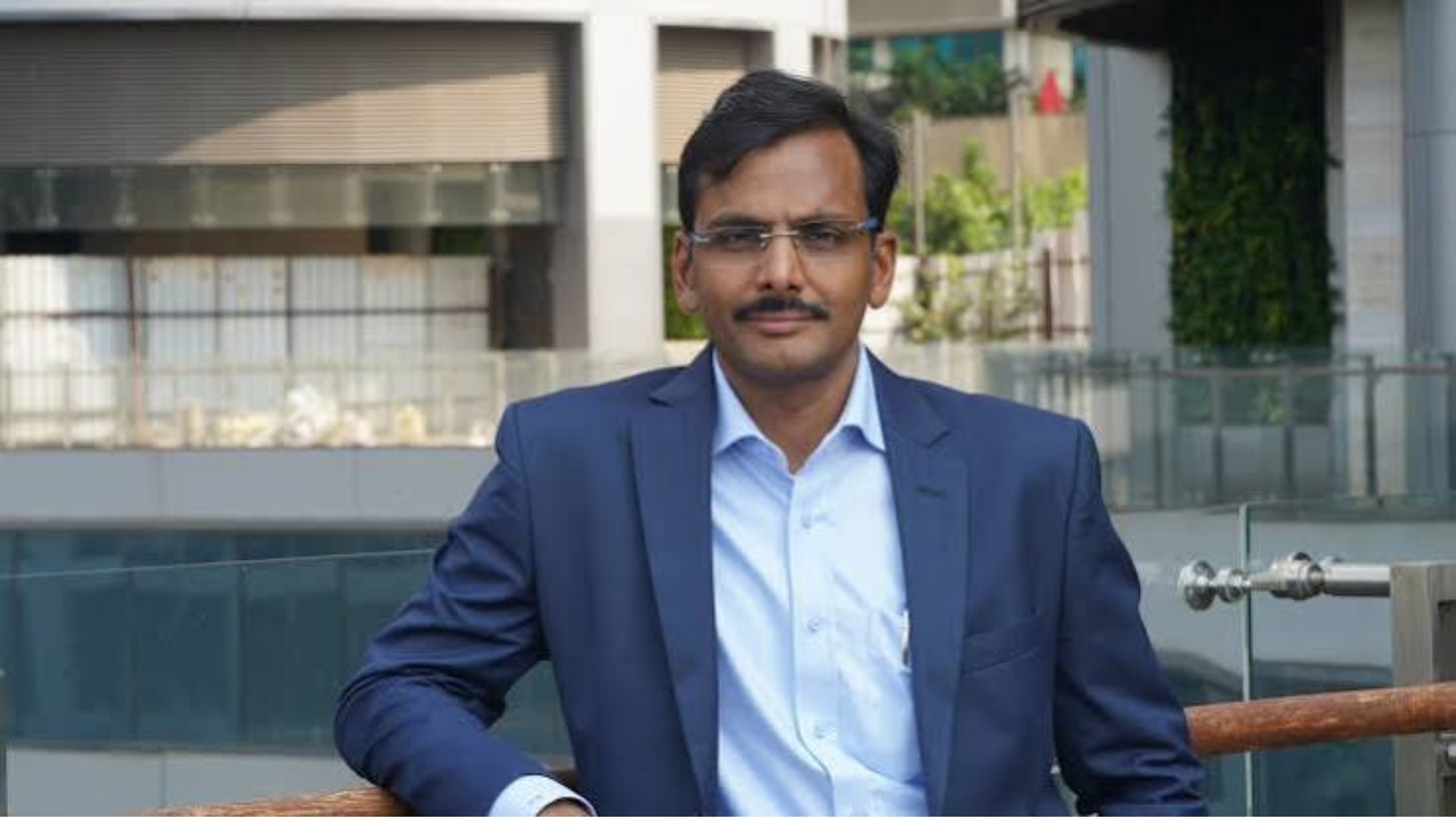
The southwest monsoon ended with an overall rainfall deficit of 12.6%, raising concerns about soil moisture, water availability and winter crop production. According to ML Jat, Secretary of the Department of Agricultural Research and Education and Director General of the Indian Council of Agricultural Research (ICAR), the government has prepared the plan based on the availability of seeds, fertilisers and water-management requirements.
The move marks an unusual step, as contingency plans are generally prepared for the kharif season when rainfall shortages are anticipated.
Several states, including Karnataka, Maharashtra, Andhra Pradesh, Telangana, Tamil Nadu, Rajasthan, Gujarat and Bihar, have recorded below-average soil moisture compared with their respective 10-year averages.
Water storage has also come under pressure. According to the Central Water Commission, storage across 178 important reservoirs stood at 72.99% of the corresponding level last year and 82.56% of normal storage.
Recent rainfall has improved reservoir levels in some districts, prompting officials to reassess parts of the original contingency plan.
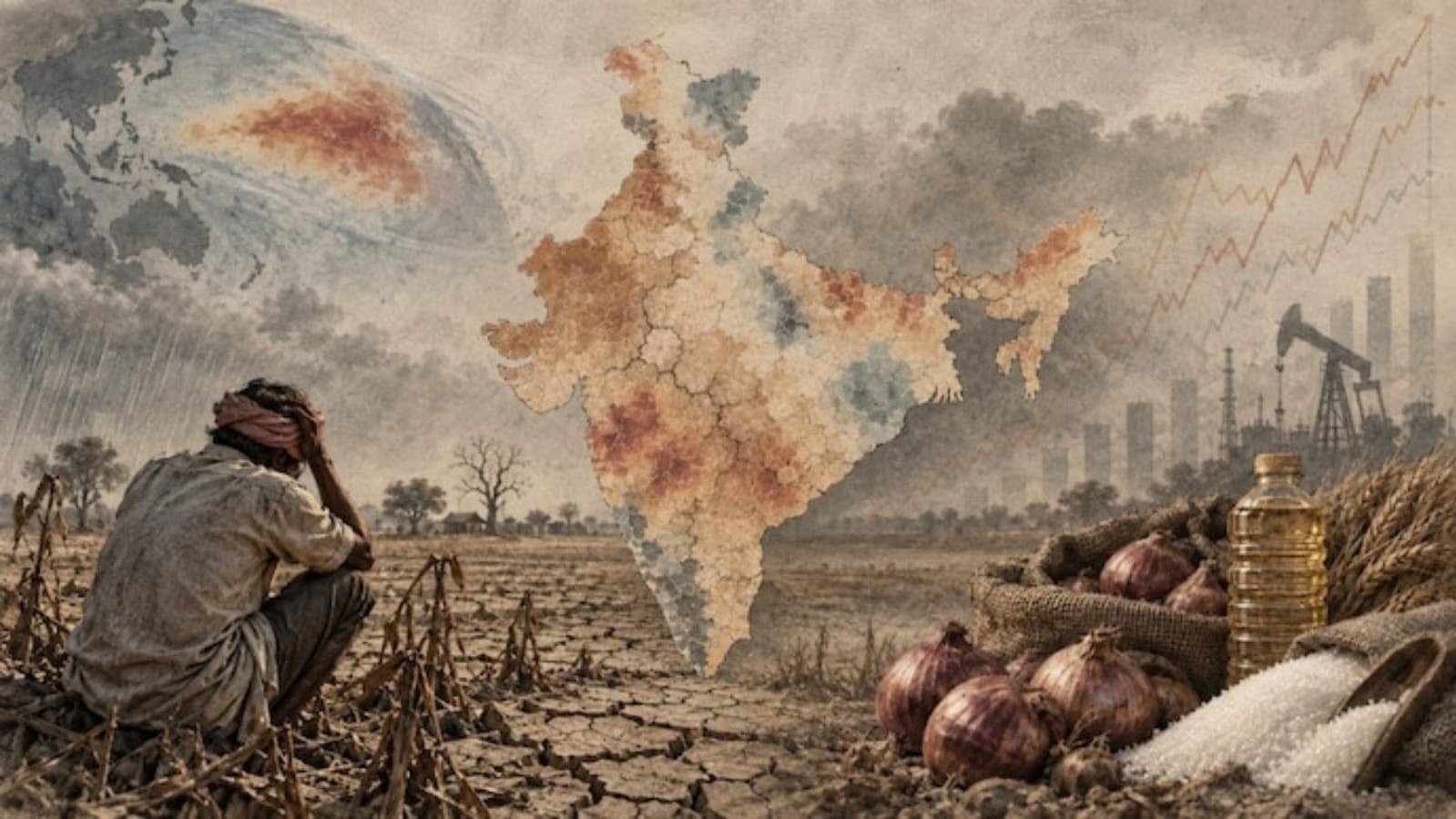
The agricultural concerns come alongside rising food prices. Wholesale food inflation reached 7.74% in September, raising concerns that inadequate sowing could affect the production of wheat, pulses and oilseeds.
Separately, the Centre has directed traders, wholesalers, retailers, processors and rice millers to declare their rice and paddy stocks through the Food Stock Portal every Friday. Five southern states have also been allowed to impose stock limits to prevent hoarding amid rising rice prices.
The coming rabi season will therefore be important for monitoring crop production, water availability and food-price trends across the country.



0 comments
No comments yet. Yours would be the first.