
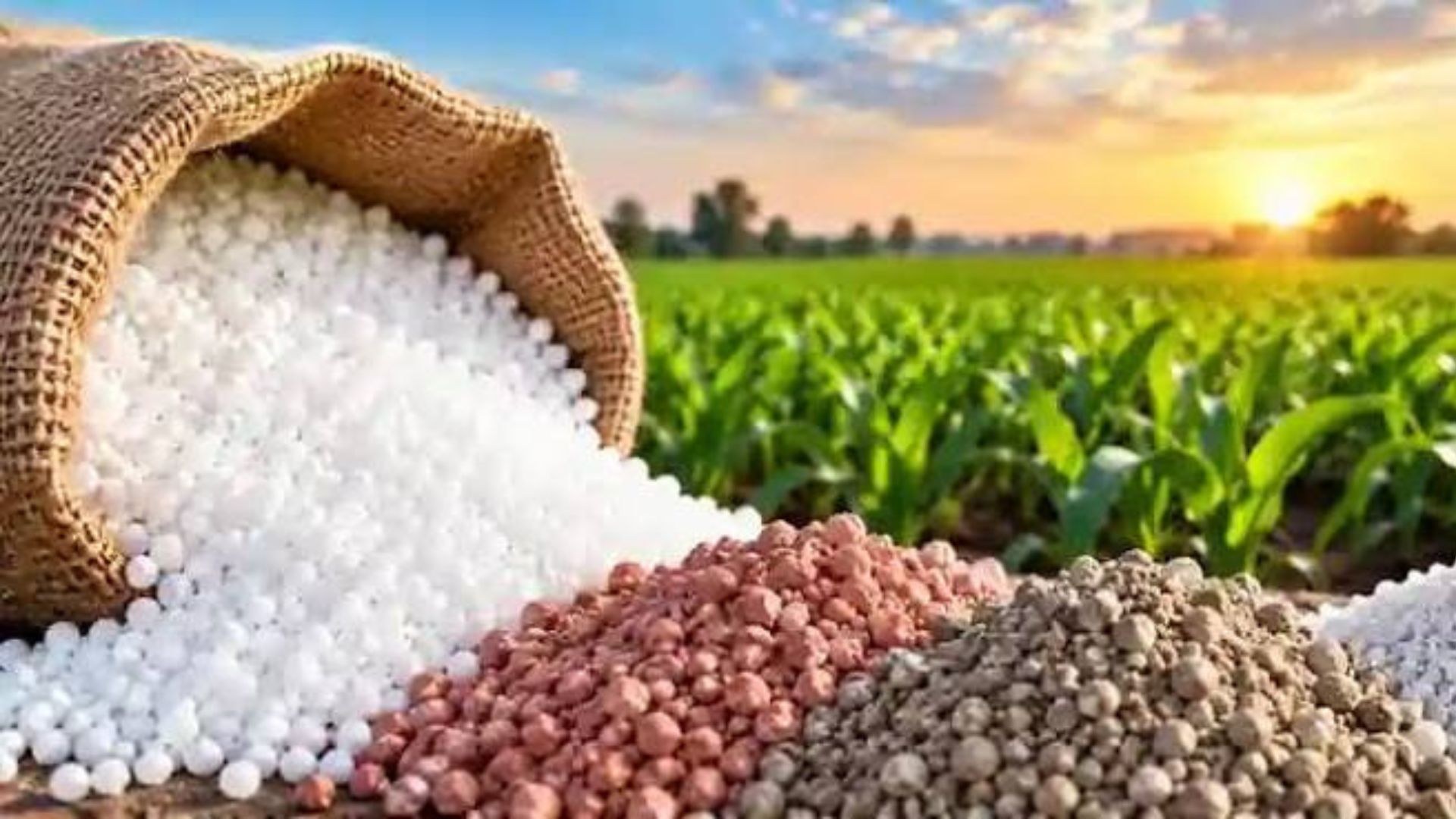
India's fertiliser market is facing weakening demand as poor monsoon rainfall and El Niño-related weather concerns affect agricultural activity. Between April and September 2026, sales of complex fertilisers declined 22.2%, while muriate of potash (MOP) sales fell 11.7%, highlighting the pressure on farm input demand.

The decline could have implications for India's agricultural outlook and stock market, particularly for fertiliser manufacturers, agricultural input suppliers and companies exposed to rural consumption.
Complex fertilisers provide multiple nutrients required for crop growth, while MOP supplies potassium. Lower sales may indicate that farmers are reducing or delaying purchases because of uncertain soil moisture, crop conditions or spending capacity. However, sales figures alone do not establish the extent of any decline in fertiliser application or crop yields.
For listed fertiliser companies, weaker sales volumes can create pressure on revenue and capacity utilisation. The effect on profitability will depend on product prices, raw material costs, government subsidies, inventory levels and the company's product mix. A decline in domestic demand does not automatically mean that every fertiliser stock will report lower profits.
The wider concern is the potential impact on agricultural output and rural incomes. If inadequate rainfall reduces crop productivity, farmers could have less money to spend, potentially affecting demand for tractors, farm equipment, seeds and other agricultural inputs. Rural-focused consumer businesses could also face pressure if farm incomes weaken.
Investors should watch subsequent rainfall patterns, crop yields, fertiliser sales, government subsidy payments and company earnings before drawing conclusions about the sector's outlook.
For the Indian stock market, the key issue is whether falling fertiliser demand remains a temporary response to weather conditions or develops into a broader rural demand slowdown. The distinction will matter for both agricultural businesses and companies dependent on rural spending.



0 comments
No comments yet. Yours would be the first.