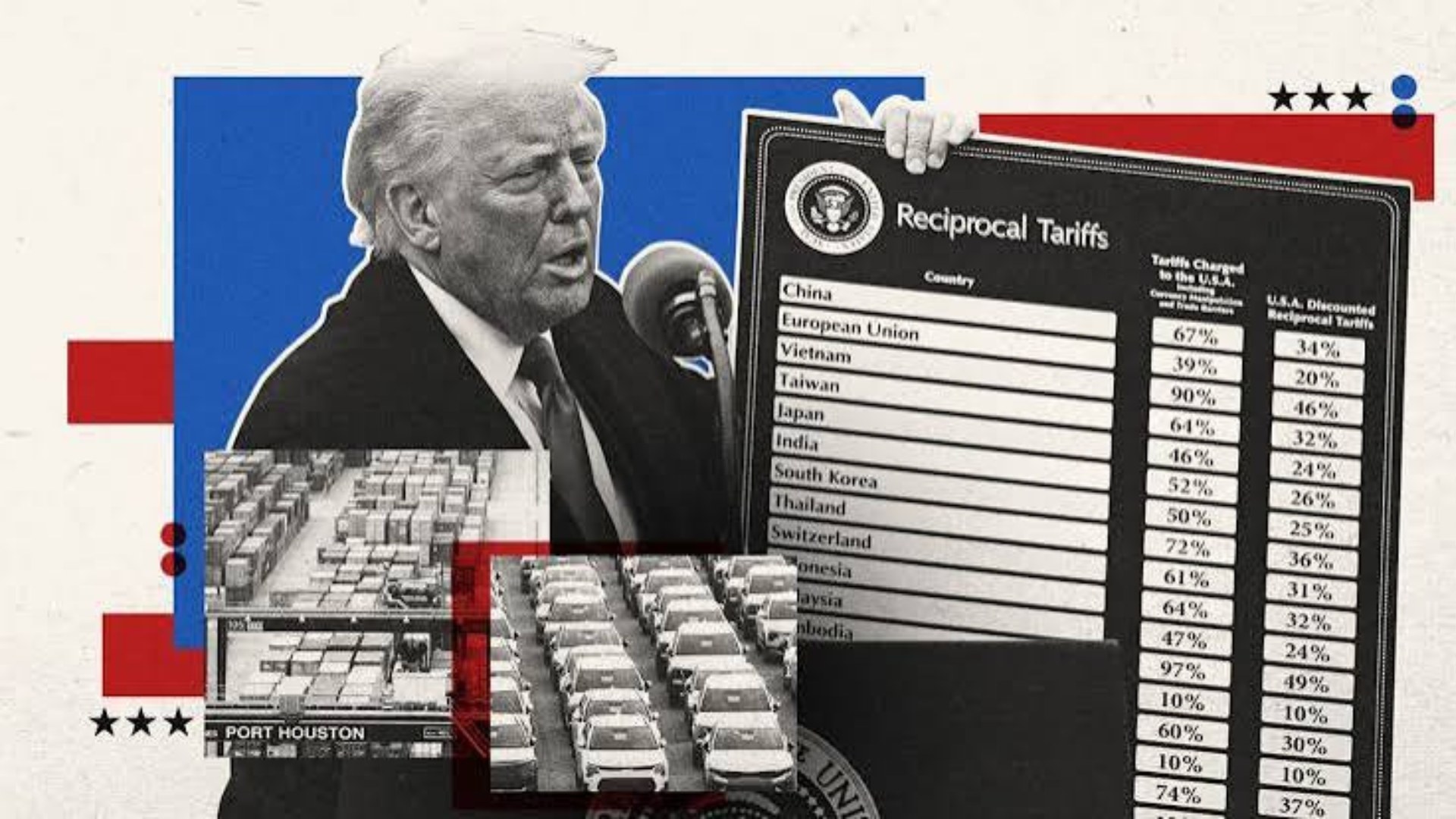
Rising living costs have emerged as a major political challenge for US President Donald Trump, with tariffs, higher fuel prices and the war involving Iran contributing to growing public frustration. The economic pressure has renewed debate over whether the administration's policies are delivering the prosperity promised to American voters.

In an opinion article published on November 6, 2026, social policy professor Neeraj Kaushal argued that inflation has weakened the political standing of both Trump and his predecessor, Joe Biden. He pointed to the cost-of-living crisis as a significant factor behind recent electoral setbacks for the ruling Republicans.
According to Kaushal, Trump's tariff policies have increased the cost of imported goods and raised expenses for American businesses, with some of that burden passed on to consumers. He also argued that restrictions on immigration could push up labour costs in sectors dependent on foreign workers, potentially increasing prices for services and products.
The conflict involving Iran has added another layer of economic uncertainty. Higher oil and gasoline prices can put additional pressure on household budgets, particularly when wages fail to keep pace with inflation. Kaushal noted that average hourly earnings had risen by around 3%, compared with a 3.7% increase in consumer prices, indicating a decline in purchasing power.
Looking ahead, Kaushal argued that Democrats should focus on policies addressing affordability, trade and immigration rather than allowing impeachment efforts to dominate their agenda. He believes that offering a clear alternative on economic and foreign policy could strengthen their position ahead of the 2028 presidential election.
The broader political lesson, according to the analysis, is that voters may judge administrations not only by their promises but also by the everyday cost of living.



0 comments
No comments yet. Yours would be the first.