
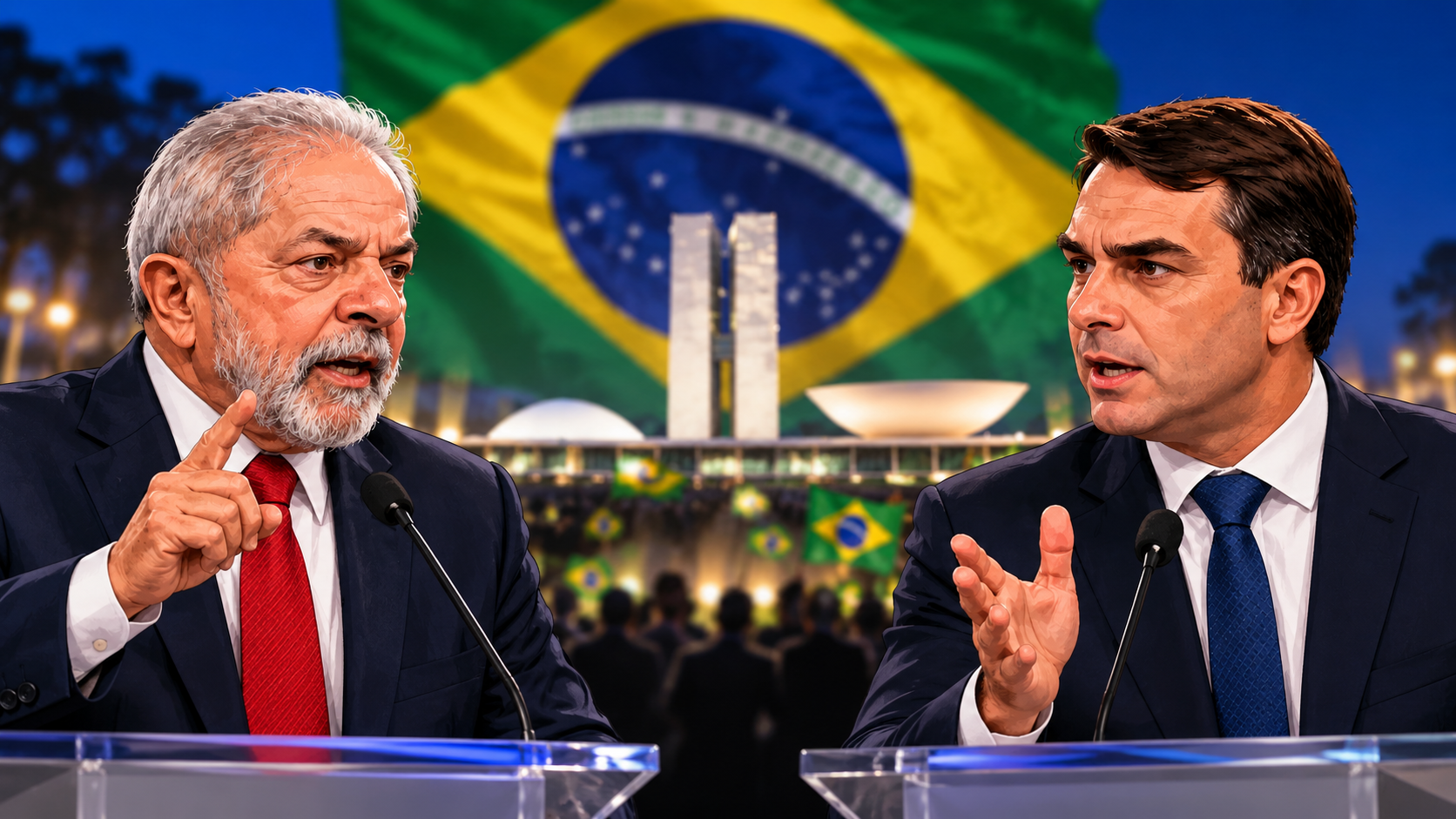
Brazilian President Luiz Inácio Lula da Silva has secured a historic victory in the 2026 presidential election, defeating Flávio Bolsonaro in a closely contested second-round vote on October 25.

According to Brazil's Superior Electoral Court, Lula received 51.79% of valid votes, while Bolsonaro secured 48.21%. The result gives Lula a fourth presidential term and marks the first time since Brazil's return to democracy that a candidate who finished second in the first round has won the runoff.
The victory followed a difficult opening round for Lula. On October 4, he received approximately 45.2% of votes, trailing Bolsonaro's 47%. High voter abstention and dissatisfaction among sections of the electorate added to his campaign challenges.
During the three weeks between voting rounds, student groups, workers and other demonstrators organised protests in several Brazilian cities, including Rio de Janeiro and Niterói. Many participants expressed opposition to Bolsonarism rather than direct support for Lula.
Lula also adjusted his campaign message to focus more strongly on everyday economic concerns. His proposals included reducing working hours, providing relief to indebted families and increasing welfare payments through the Bolsa Família programme.
These campaign developments coincided with a turnaround in the election result, although the precise contribution of each factor cannot be established from the available evidence.
Despite winning another term, Lula faces significant challenges. Delivering economic improvements, addressing public expectations and navigating Brazil's political divisions will remain important issues for his administration.
His election victory represents a notable political comeback, but the effectiveness of his next government will depend on how successfully it addresses these challenges.



0 comments
No comments yet. Yours would be the first.