
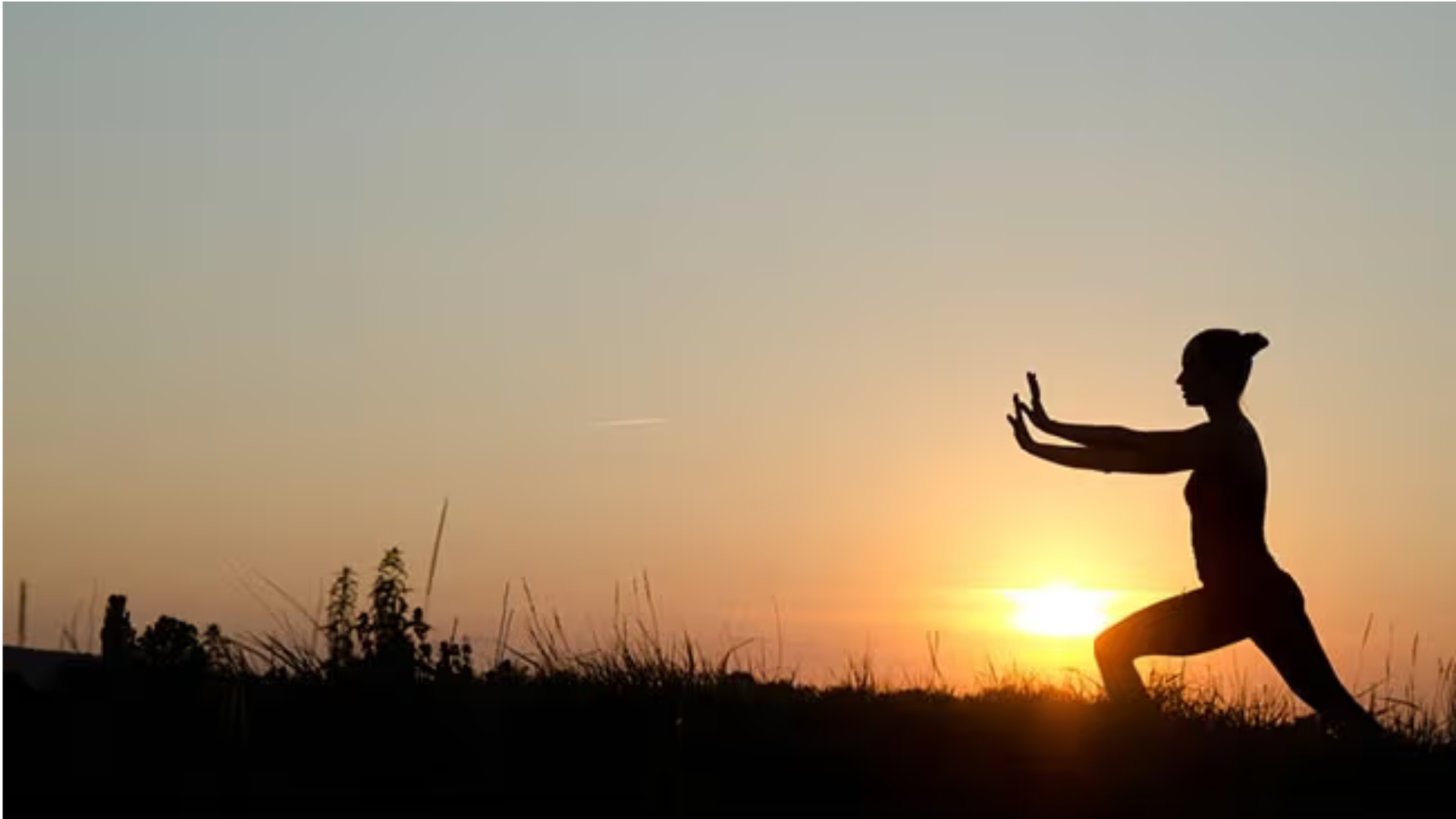
Tai Chi, an ancient Chinese martial art that has evolved into a gentle mind-body exercise, is gaining popularity in India. Its slow, controlled movements, shifting body weight and breathing exercises make it a relatively low-impact form of physical activity that can be adapted for different fitness levels.
Unlike high-intensity workouts, Tai Chi focuses on controlled movement, posture, balance and coordination. These characteristics can make it particularly useful for people looking for an activity that does not require specialised equipment or a gym.
Research has found some of the strongest evidence for Tai Chi’s benefits in older adults. A 2024 systematic review and meta-analysis involving 28 trials and 2,000 healthy older adults found that Tai Chi improved several measures of balance. The researchers also reported greater benefits when sessions were performed more than twice a week and lasted more than 45 minutes, although exercise routines varied across studies.
Another systematic review of 24 randomised controlled trials found that Tai Chi reduced fall risk and improved balance measures among older adults, including those at higher risk of falling.
For Indians, Tai Chi can therefore be considered alongside walking, yoga, strength training and other forms of physical activity rather than as a replacement for them. Its slow movements may appeal to people who prefer a calmer exercise routine or need an activity that places less emphasis on speed and impact.
However, Tai Chi is not a cure for medical conditions, and its benefits can vary depending on a person’s age, health and training routine. People with health problems or significant mobility limitations should seek appropriate professional guidance before starting a new exercise programme.



0 comments
No comments yet. Yours would be the first.