
The World Health Organization (WHO) has issued its first global guidelines for managing obesity among children and adolescents, recommending structured dietary, physical activity and behavioural interventions as the foundation of care.
The guidelines state that weight-loss medicines, bariatric surgery and weight-management devices should not be used for children aged 0 to 9 years. Instead, WHO recommends comprehensive support involving healthy eating, physical activity and sustainable behaviour changes. Digital health interventions may also be used with supervision from parents or caregivers.
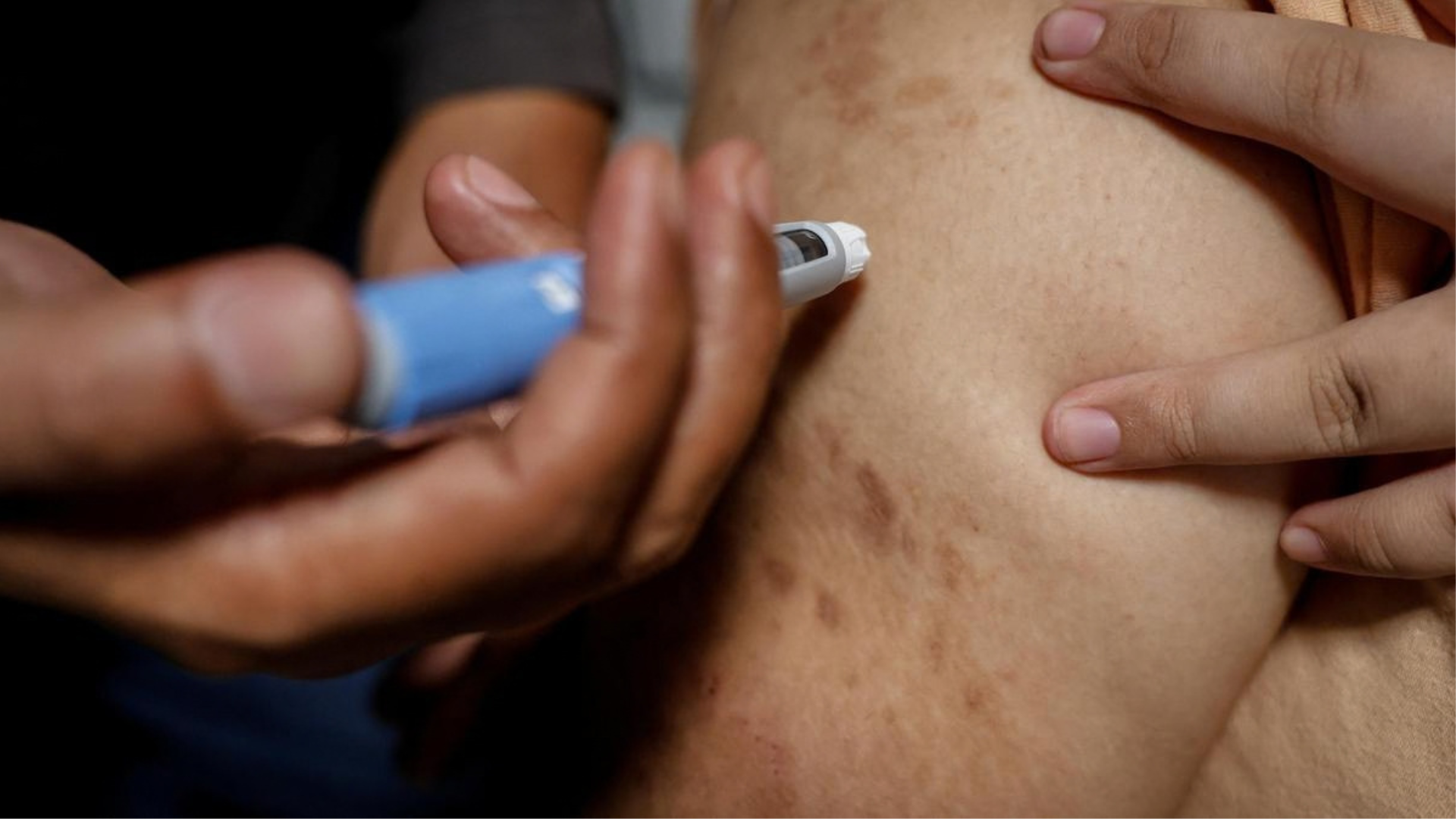
For adolescents aged 10 to 19, approved obesity medicines may be considered only when a supervised, multimodal lifestyle programme has not achieved the desired results. Bariatric surgery may also be considered under strict conditions for adolescents with severe obesity.
WHO said the recommendations come amid a sharp increase in childhood and adolescent obesity. In 2024, an estimated 170 million children and adolescents aged 5 to 19 were living with obesity, including 70 million children aged 5 to 9 and 100 million adolescents aged 10 to 19. The prevalence in this age group increased from 2% in 1990 to 8% in 2024.
The guidelines also emphasise mental health as part of obesity care. WHO noted that children and adolescents living with obesity may experience stigma, discrimination and bullying, while anxiety, depression and low self-esteem can also affect wellbeing.
The agency said obesity care should focus on person-centred support that addresses both physical and mental health while helping young people maintain healthy growth and quality of life.





0 comments
No comments yet. Yours would be the first.