
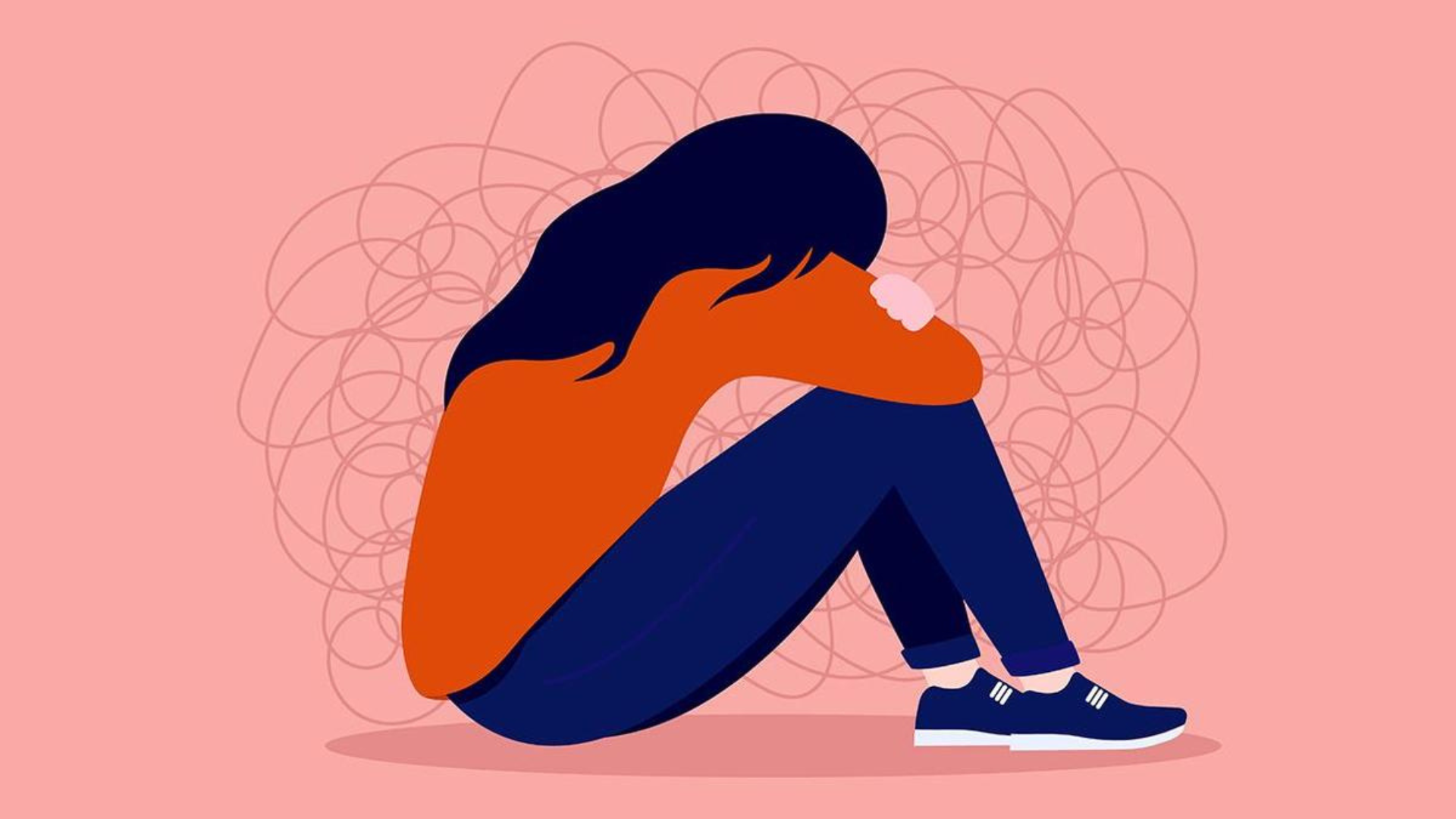
Antidepressants help many people manage depression, but some continue to experience symptoms despite taking medication. This condition, known as treatment-resistant depression, can require a closer medical assessment and a different treatment approach.
An estimated 30% of people with major depressive disorder who have tried antidepressants may experience treatment-resistant depression, although estimates vary depending on how the condition is defined and studied.
Depression can involve persistent sadness, loss of interest in activities, disturbed sleep, fatigue, changes in appetite and difficulty concentrating. These symptoms may affect a person’s ability to work, maintain relationships and manage everyday responsibilities.
A case involving Priya, a 32-year-old woman from Kerala whose name was changed to protect her identity, highlights the challenges some patients face. Despite taking medication for several weeks, she continued to experience symptoms that interfered with daily life. She subsequently sought further medical advice and began repetitive transcranial magnetic stimulation (rTMS).
Before identifying depression as treatment-resistant, doctors may review the diagnosis, medication dose, duration of treatment, side effects and whether the prescribed treatment has been taken consistently. Other medical conditions, co-existing mental health concerns and individual differences can also influence recovery.
When antidepressants do not provide sufficient relief, clinicians may consider adjusting the medication, switching to another antidepressant, combining medicines or adding psychotherapy. The appropriate approach depends on the patient’s symptoms, treatment history and overall health.
Another option for selected patients is rTMS, a non-invasive procedure that uses magnetic pulses to stimulate specific areas of the brain involved in mood regulation. It is generally administered in a series of sessions under medical supervision.
Treatment-resistant depression does not mean depression cannot improve. Finding an effective approach may take time, and treatment plans should be tailored to each individual. Patients should not stop or change prescribed medication without consulting their healthcare professional.





0 comments
No comments yet. Yours would be the first.