
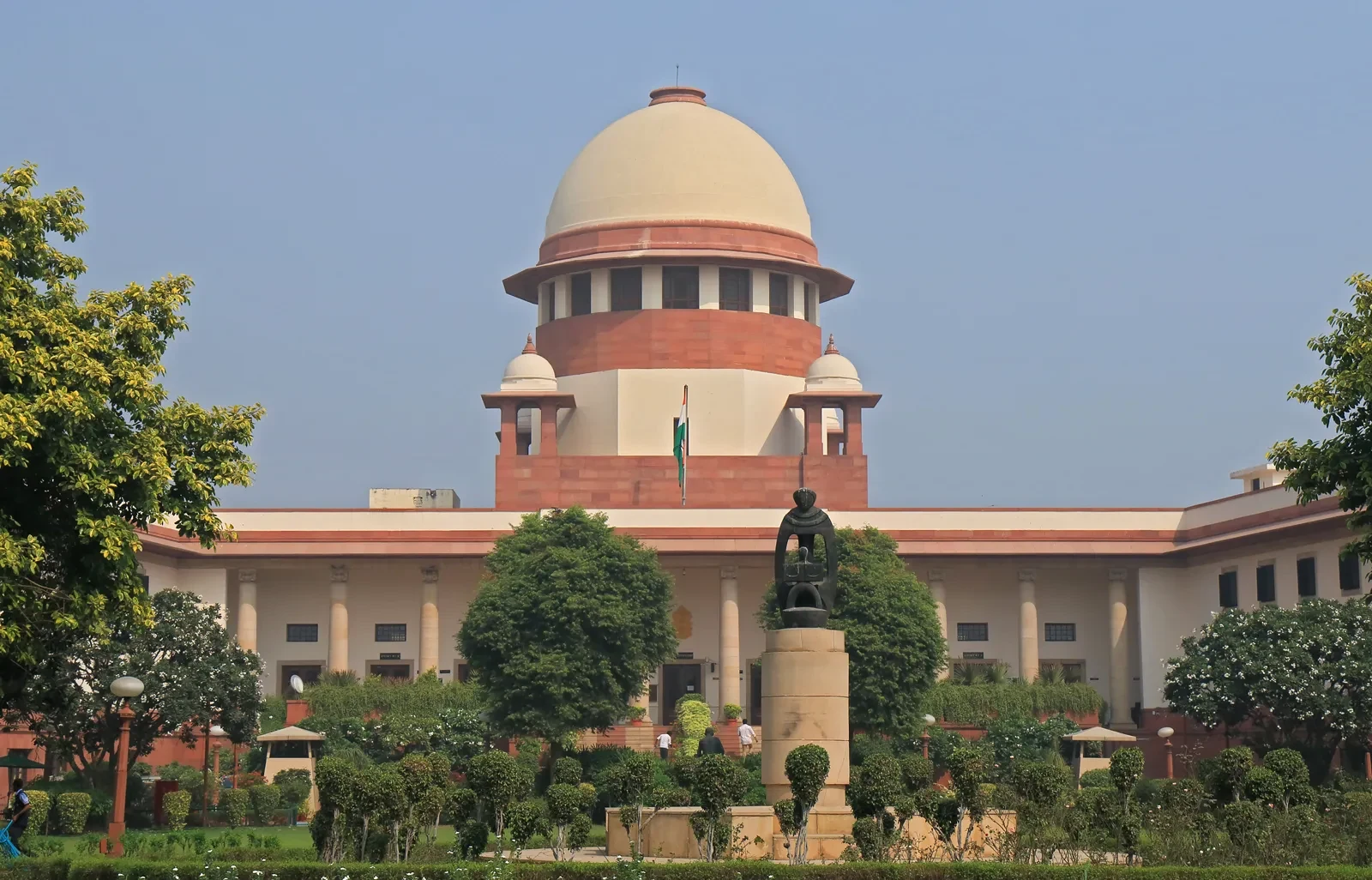
The Supreme Court of India has disposed of a long‑pending reference concerning the scope of legislative privileges and their interplay with free speech, while clarifying that all substantial questions of law on the matter remain open for determination in future proceedings.

The case dates back to a 2003 Tamil Nadu Assembly resolution, which sought the arrest of editors of The Hindu for publishing an editorial critical of then Chief Minister Jayalalithaa. The controversy raised fundamental questions about whether legislative privilege could override the constitutional guarantee of free speech under Article 19(1)(a).
On Thursday, the Court clarified that while the reference has been formally disposed of, the precedence between parliamentary privileges and free speech will be examined in appropriate future cases. A Bench led by Justice Aravind Kumar emphasized that the judiciary must balance the sanctity of legislative privilege with the democratic necessity of protecting press freedom and individual expression.
Legal experts note that the Court’s decision leaves the door open for a landmark ruling in the future, one that could redefine the boundaries between legislative authority and constitutional rights. For now, the unresolved questions continue to highlight the tension between institutional privilege and citizen freedoms in India’s democracy.


0 comments
No comments yet. Yours would be the first.