
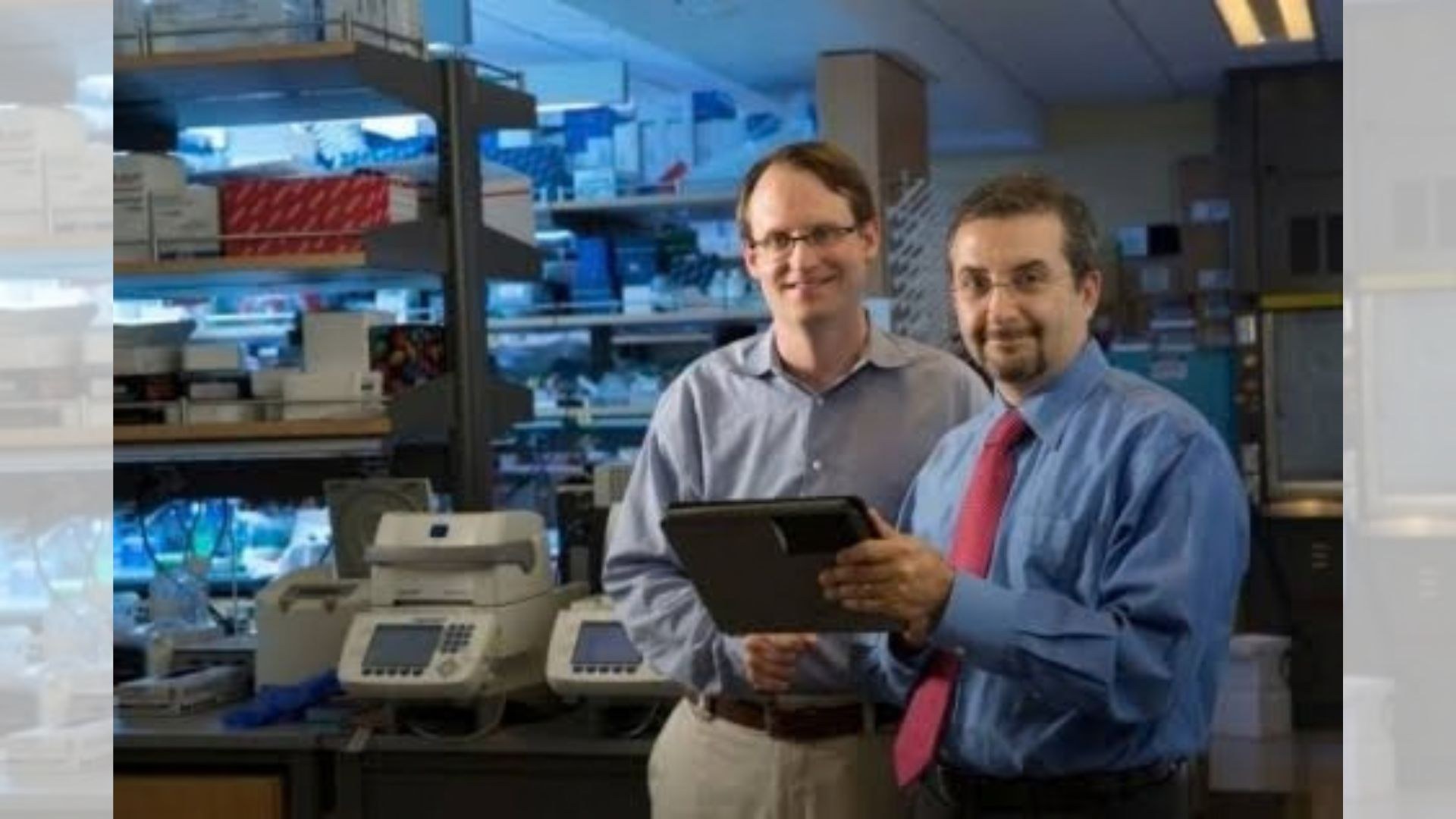
Researchers at Stanford Medicine and the VA Palo Alto Health Care System have developed an experimental urine test that could make bladder cancer detection and treatment monitoring less invasive. The findings were published in Nature Medicine on October 2, 2026.

Called uRARE-seq, the test analyses cell-free RNA fragments released by tumour cells into urine. Unlike many liquid biopsies that search for cancer-related DNA mutations, the RNA-based approach can reveal which genes cancer cells are actively using, potentially providing information about tumour behaviour as well as its presence.
In a study involving 683 urine samples, uRARE-seq correctly identified 95% of people with localized bladder cancer and correctly returned negative results for 90% of those without the disease. Researchers said the test also performed better than standard urine cytology and a DNA-based urine test.
The test showed potential beyond diagnosis. Researchers found that urine RNA patterns could distinguish low-grade from high-grade bladder cancer and detect residual disease following surgery or BCG immunotherapy. The team also developed a biomarker that could help predict whether a tumour is more likely to respond to immunotherapy or chemotherapy.
Bladder cancer frequently returns, making repeated monitoring important. Current surveillance relies heavily on cystoscopy, an invasive procedure that can be required every three months for some high-risk patients.
However, uRARE-seq is still experimental. Researchers plan larger, prospective, multi-centre trials before the test can be considered for routine diagnosis, surveillance or treatment selection.




0 comments
No comments yet. Yours would be the first.