
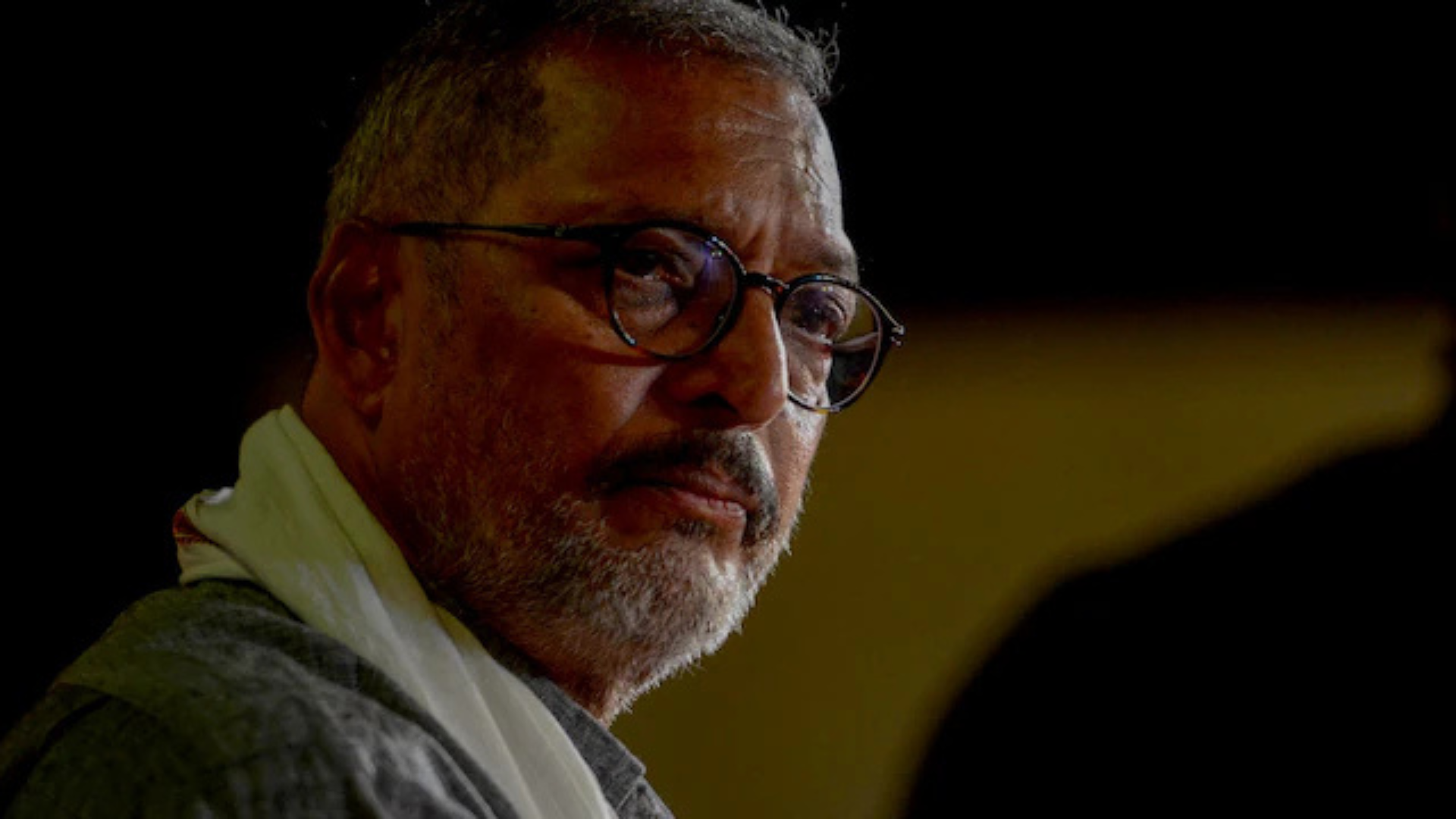
Veteran actor Nana Patekar’s death at the age of 75 after a cardiac arrest has renewed attention on the warning signs of heart emergencies and the importance of immediate medical intervention.
Patekar was found unconscious at his residence in Goa on October 8, 2026, and was taken to Manipal Hospital. Doctors attempted cardiopulmonary resuscitation (CPR) for approximately 45 minutes but could not revive him.
Cardiac arrest occurs when the heart suddenly stops pumping blood effectively, usually because of an electrical disturbance. It is different from a heart attack, which generally occurs when blood flow to part of the heart is blocked. A heart attack can, however, trigger cardiac arrest.
Cardiac arrest often happens suddenly, without a reliable warning that identifies exactly when it will occur. However, underlying heart conditions may cause symptoms beforehand. These can include chest discomfort, unexplained breathlessness, palpitations, dizziness, fainting or unusual fatigue. Such symptoms do not always indicate a cardiac problem, but persistent or severe symptoms require medical assessment.
Recognising an emergency is critical. A person experiencing cardiac arrest may suddenly collapse, become unresponsive and stop breathing normally or gasp irregularly.
If this happens, call India’s emergency number, 112, immediately and follow the dispatcher’s instructions. If the person is unresponsive and not breathing normally, begin hands-only CPR by pushing hard and fast in the centre of the chest. Ask someone to bring an automated external defibrillator (AED), if available, and follow its instructions.
Early CPR and rapid defibrillation can improve the chances of survival. Even when symptoms appear to settle, suspected cardiac emergencies should never be ignored. Timely medical evaluation, awareness of risk factors and appropriate treatment remain important for protecting heart health.





0 comments
No comments yet. Yours would be the first.