
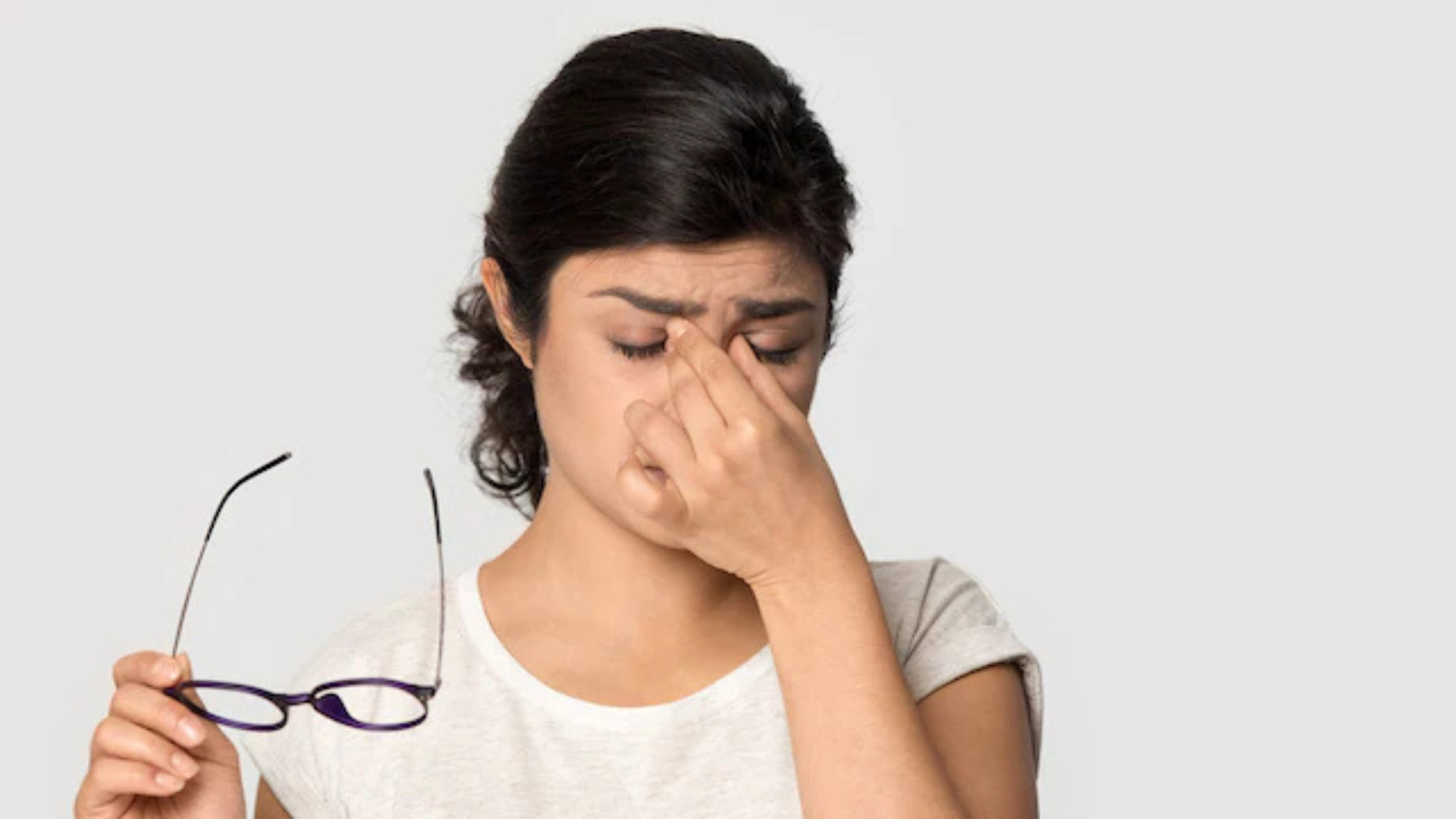
Menopause is commonly associated with hot flashes, mood changes and disrupted sleep, but hormonal shifts can also affect eye health. Changes in estrogen and androgen levels during perimenopause and menopause may influence tear production, the eye’s surface and other tissues involved in vision.
One of the most common concerns is dry eye. Estrogen and androgens play a role in maintaining tear production and the oily layer released by glands in the eyelids. This layer slows tear evaporation and helps keep the surface of the eye lubricated. As hormone levels change, tear quantity or quality may decline, potentially leading to dryness, burning, irritation, redness or a gritty sensation.
Hormonal changes may also affect the comfort of wearing contact lenses and cause vision to fluctuate when the tear film becomes unstable. However, menopause does not automatically cause eye disease, and not every vision change during this stage is hormone-related.
Women experiencing eye discomfort can discuss suitable treatments with an eye-care professional. Depending on the cause, options may include lubricating eye drops, changes to contact lens use and measures to reduce environmental triggers such as dry air. Persistent symptoms should not be ignored, particularly when they interfere with daily activities.
Hormone replacement therapy should not be started solely to treat dry eyes or protect vision without medical advice. Its benefits and risks depend on an individual’s health history and symptoms, and evidence does not support assuming it will prevent eye problems.
Regular eye examinations can help identify dry eye and other conditions that may become more common with age. Sudden vision loss, severe eye pain or a rapid change in vision requires urgent medical attention.
Understanding the possible connection between menopause and eye health can help women recognise symptoms early and seek appropriate care.



0 comments
No comments yet. Yours would be the first.