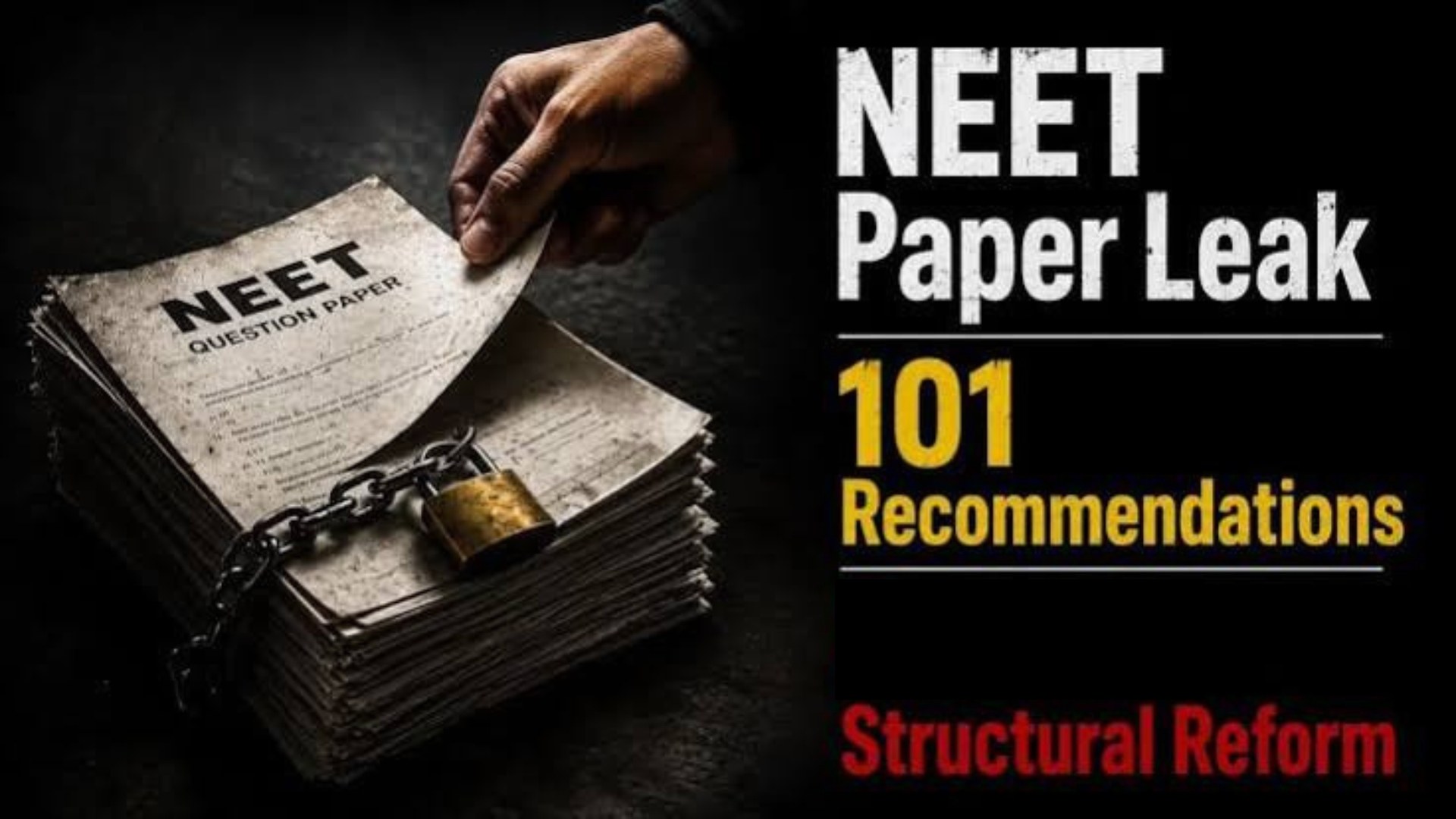
India’s recurring examination paper leak controversies have exposed weaknesses in the systems responsible for conducting high-stakes competitive exams. While protests, court proceedings and government responses may provide relief to affected students, they do not necessarily address the underlying problems that allow leaks and administrative failures to occur.

An opinion piece by Ritvik Chaturvedi draws a comparison between the National Testing Agency (NTA) and state-owned shoe factories in the former Soviet Union. The comparison centres on how institutions behave when they are judged by targets and administrative requirements rather than the quality of the final product.
In the author’s account, Soviet shoe factories were expected to meet production quotas set by authorities. Because their performance was not primarily driven by consumer demand, producing the required number of shoes could matter more than ensuring that the shoes were useful or comfortable. The system also created weak incentives for efficient resource use and contributed to problems such as the pilferage of raw materials.
The article uses this example to question whether India’s examination system is designed around the needs of students and the reliability of results, or whether it focuses too heavily on administrative targets and procedural compliance.
Competitive examinations are complex operations involving question-paper preparation, secure printing, transportation, digital systems, examination centres, personnel and oversight. Each stage depends on different specialists and organisations. If responsibilities are fragmented, accountability is weak or participants have incentives that conflict with the public interest, vulnerabilities can emerge across the process.
The argument is that examination reform cannot rely only on replacing officials, changing administrative arrangements or introducing new legislation after a controversy. Those steps may be necessary, but lasting improvements also require examining how contractors, service providers and administrators are rewarded, monitored and held responsible for failures.
For students, the consequences of examination leaks extend beyond disrupted schedules. Candidates may lose time, money and confidence in a system that determines access to education and career opportunities.
The broader lesson is that secure examinations require more than rules on paper. They need transparent procurement, clear responsibility, independent oversight, effective penalties for misconduct and incentives that reward reliability rather than merely completing tasks.







0 comments
No comments yet. Yours would be the first.