
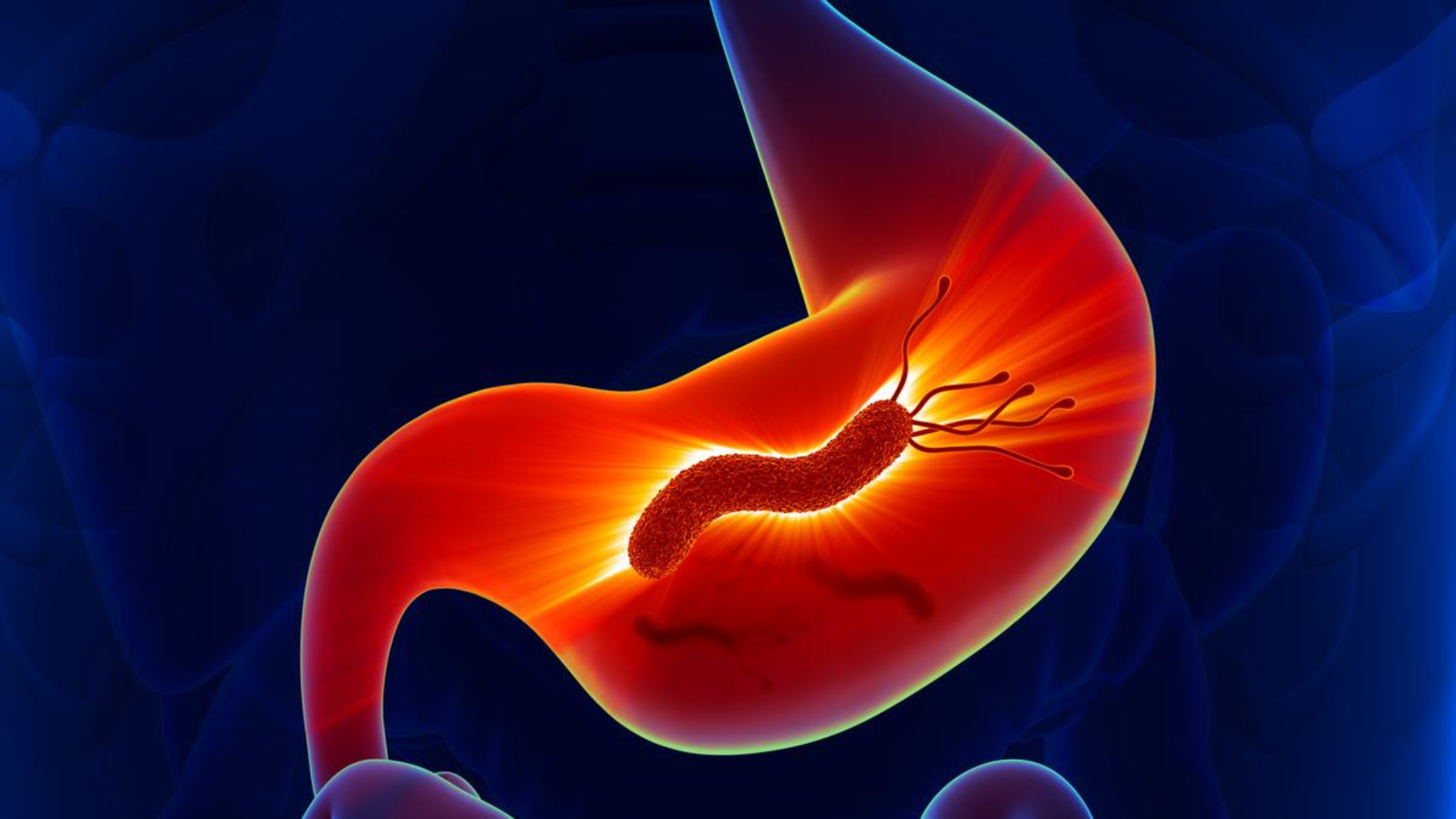
Eradicating Helicobacter pylori (H. pylori) infection early could play an important role in preventing gastric cancer, Nobel laureate and gastroenterologist Dr. Barry Marshall has said. He stressed the importance of testing for the infection, appropriate treatment and confirming that it has been successfully cleared.
Marshall, who shared the 2005 Nobel Prize in Physiology or Medicine with Robin Warren for their discovery of H. pylori and its role in gastritis and peptic ulcer disease, said the bacterium should not be viewed only as an ulcer-causing organism.
Long-term H. pylori infection can cause chronic inflammation of the stomach and is a major cause of gastric cancer. Evidence supporting eradication as a prevention strategy has strengthened in recent years. The International Agency for Research on Cancer (IARC), part of the World Health Organization, reported in 2026 that randomised trials have found H. pylori treatment reduces gastric cancer incidence by 36% and gastric cancer mortality by 22%.
IARC has recommended practical frameworks for population-based “screen-and-treat” programmes, including reliable testing, effective treatment, monitoring antibiotic resistance and confirming programme quality.
Medical guidelines also emphasise confirming eradication after treatment. The American College of Gastroenterology recommends follow-up testing with a urea breath test, stool antigen test or biopsy-based testing after treatment.
The findings support growing interest in H. pylori testing and treatment as part of broader efforts to reduce the global burden of gastric cancer.




0 comments
No comments yet. Yours would be the first.