
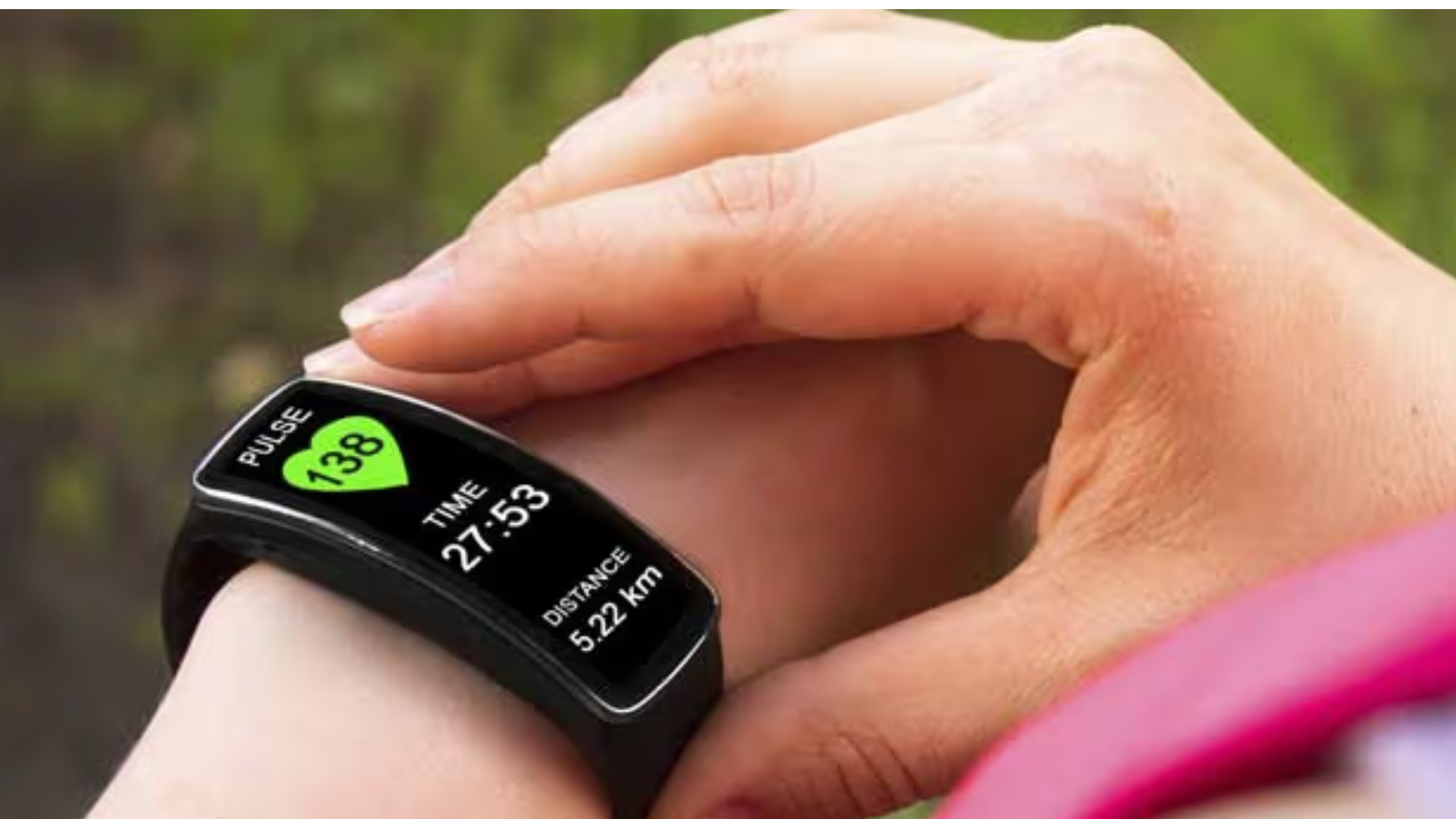
Sleep trackers have become a common part of bedtime routines, with smartwatches and fitness bands recording sleep duration, resting heart rate and, on some devices, blood oxygen levels. While this information can help users understand their sleeping habits, wearing a health tracker overnight is optional for most healthy adults.
Dr Pallav Mishra, Director of Internal Medicine at ShardaCare – Healthcity, says wearable devices can provide useful estimates but should not be treated as definitive medical measurements.
Sleep trackers can help identify patterns over time, including changes in sleep duration, bedtime, waking time and resting heart rate. Some devices also estimate blood oxygen levels. Reviewing these trends may encourage users to maintain regular sleep schedules and examine lifestyle factors such as stress, exercise, alcohol consumption and daily routines.
However, wearable readings have limitations. Consumer devices estimate sleep stages and other measurements using sensors and algorithms, which may not always be accurate. A single night of data may not reflect a person's overall sleep health, making long-term patterns more useful than isolated readings.
Sleep trackers also cannot reliably diagnose or rule out sleep disorders. Conditions such as sleep apnoea may require a medical assessment and specialised sleep testing. A normal-looking reading from a smartwatch should not replace professional evaluation when symptoms are present.
Another concern is tracker-related anxiety. Some users become overly focused on achieving a perfect sleep score, which can create stress around bedtime and affect their relationship with sleep.
For most people, consistent sleep and wake times, a comfortable sleeping environment and healthy daily habits remain important. A wearable can support these efforts, but it is not essential for everyone.
People experiencing persistent sleep problems, excessive daytime tiredness, loud snoring or interrupted breathing should seek medical advice rather than relying solely on tracker data.




0 comments
No comments yet. Yours would be the first.