
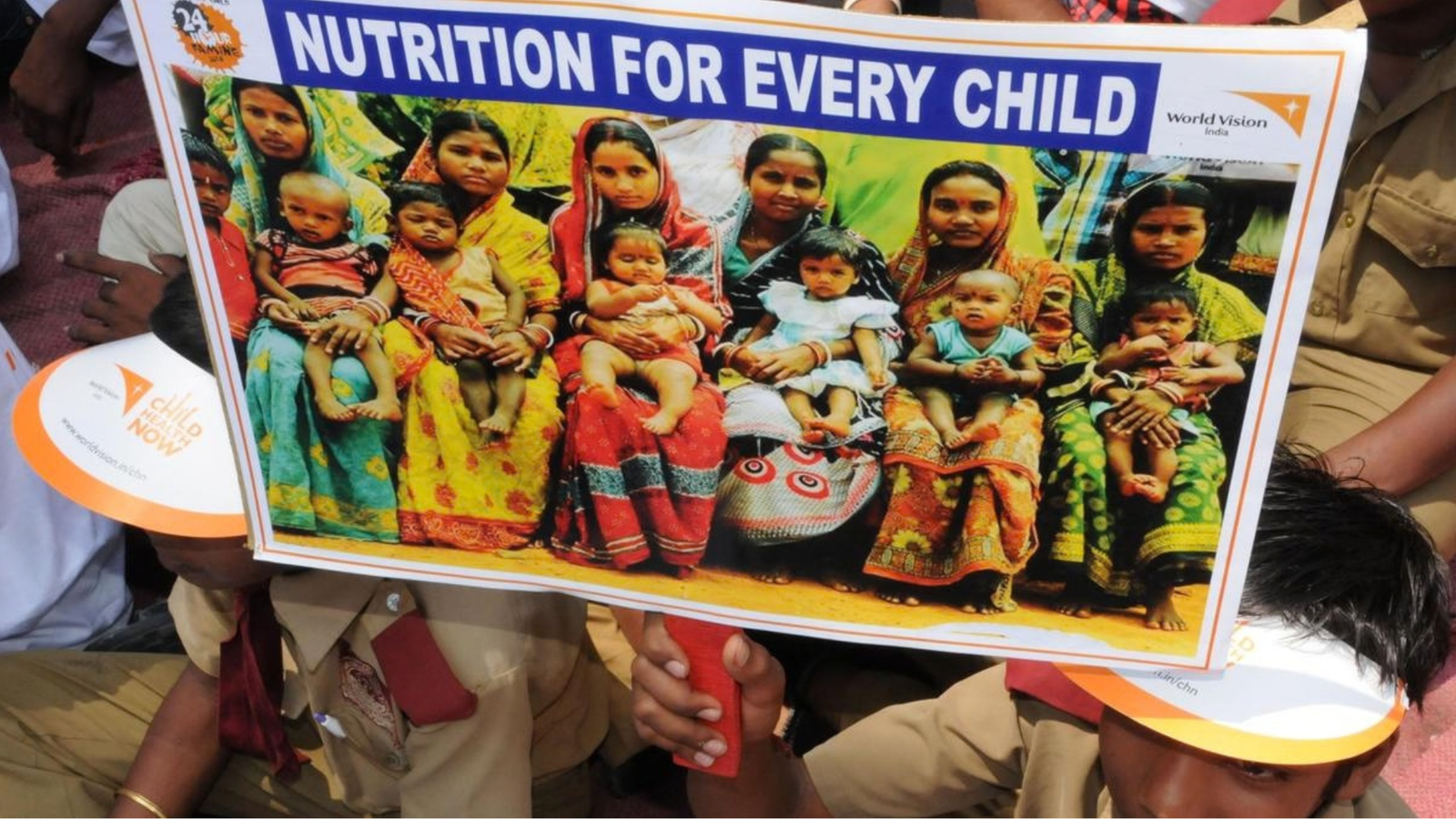
India can use the growing focus on healthy lifestyles under BRICS to move beyond traditional approaches to hunger and nutrition and place prevention at the centre of public health policy.
Hunger, maternal and child nutrition, anaemia and care during the first 1,000 days of life remain critical priorities. However, changing health risks mean that public health efforts must increasingly address how people live, eat and stay active throughout their lives.
The BRICS Summit 2026 placed significant attention on security, trade and economic issues, but health has also emerged as an important area for cooperation among member countries.
A key development was the launch of the BRICS Mission for Healthy Lifestyle. The grouping also endorsed the BRICS Roadmap for the Joint Initiative on Healthy Lifestyle Promotion for 2026-2029 and released a compendium highlighting practices that can be replicated across communities.
Making healthy living part of daily life
For India, the focus on prevention could extend beyond awareness campaigns. Healthy choices can be encouraged through food systems, schools and local communities, making nutrition and physical activity part of everyday environments.
Schools can play a role by promoting healthier eating habits and regular physical activity, while communities can support access to nutritious food and spaces for active living.
The BRICS initiatives provide an opportunity for India to showcase approaches that connect nutrition, preventive healthcare and community participation rather than treating them as separate programmes.
A stronger prevention-focused approach could complement existing efforts against hunger and malnutrition while responding to the broader health challenges associated with changing lifestyles.


0 comments
No comments yet. Yours would be the first.