
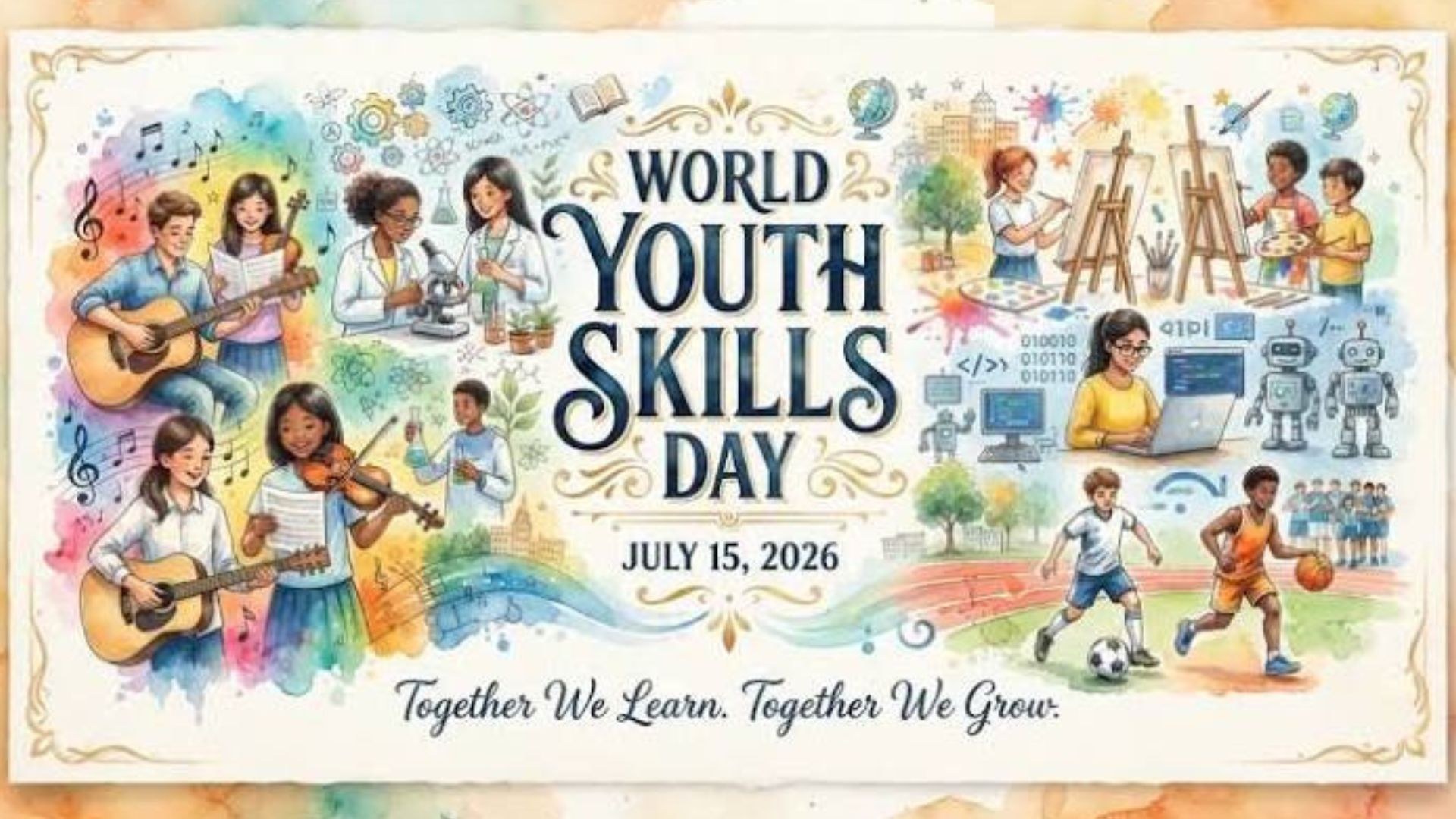
Education is changing, and academic marks alone may no longer be enough to prepare students for the challenges of modern life. As artificial intelligence reshapes learning and workplaces, educators are increasingly emphasising critical thinking, adaptability, creativity and emotional intelligence alongside traditional academic knowledge.

Observed on October 15 to mark the birth anniversary of former President Dr APJ Abdul Kalam, World Students’ Day celebrates the potential of young minds and the importance of education in shaping the future.
This year, discussions around education reform highlight a central question: are students being prepared only to pass examinations, or are they learning how to think independently, handle uncertainty and apply knowledge in real-world situations?
Education leaders are calling for learning environments that encourage students to ask questions rather than simply memorise answers. With information readily available online and through AI tools, the ability to evaluate information, make sound decisions and understand different perspectives is becoming increasingly important.
The focus is also shifting towards experiential learning, where students connect classroom concepts with practical problems. Interdisciplinary learning, creativity and opportunities to learn through mistakes can help students develop confidence and become more adaptable.
Students also need a range of practical skills to navigate life beyond the classroom. Critical thinking helps them question information and make informed decisions, while effective communication enables them to express ideas clearly and understand different viewpoints. Creativity encourages them to explore new solutions, and adaptability helps them respond to changing technologies and career requirements.
Empathy is equally important because it supports collaboration, strengthens relationships and encourages respect for different perspectives. Resilience helps students learn from setbacks instead of viewing failure as the end of progress. Self-awareness and a willingness to keep learning can also help them understand their strengths, address weaknesses and make thoughtful decisions about their future.
Another important part of education reform is challenging the belief that success depends entirely on securing top marks or following a single conventional career path. Excessive examination pressure and fear of failure can discourage students from asking questions, exploring unfamiliar ideas or learning from mistakes.
Schools and colleges can help address these challenges by encouraging curiosity, ethical judgement, teamwork and independent thought. Teachers also play an important role in creating environments where students feel respected, supported and comfortable expressing their ideas.
Reading offers another way for students to explore different perspectives and develop a broader understanding of life. Books such as Tuesdays with Morrie by Mitch Albom, Range by David Epstein and Man’s Search for Meaning by Viktor E. Frankl offer perspectives on purpose, learning, resilience and personal growth. Such reading can encourage students to think beyond textbooks and reflect on experiences different from their own.
World Students’ Day 2026 serves as a reminder that education should prepare students not only for examinations and employment, but also for the decisions, relationships and challenges they will encounter throughout life. Academic achievement remains important, but combining subject knowledge with critical thinking, creativity, empathy and adaptability can help students become more confident learners and responsible individuals.
Ultimately, the value of education lies not only in what students know, but also in how they use that knowledge to navigate life and contribute to society.



0 comments
No comments yet. Yours would be the first.