
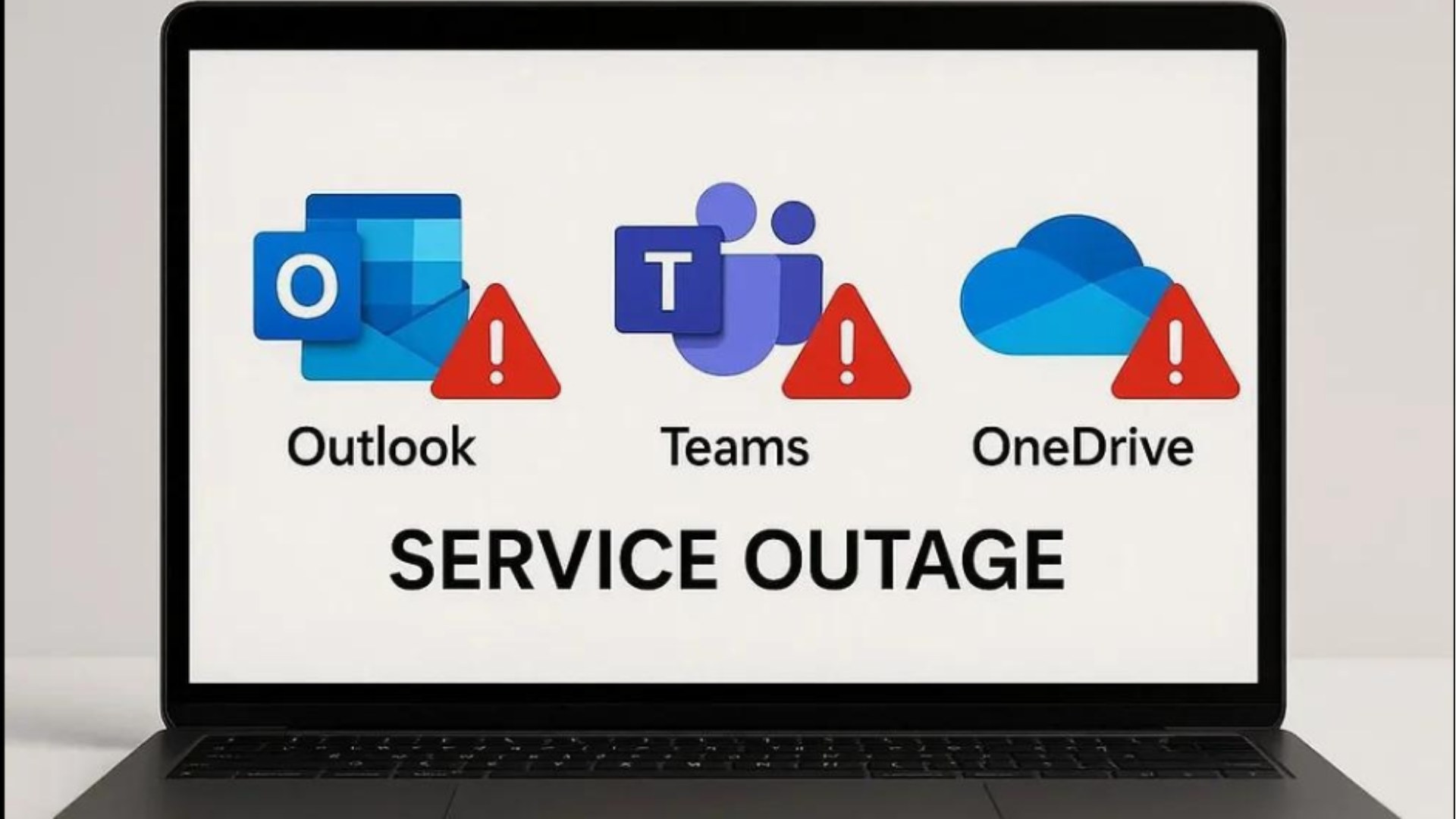
A major Microsoft outage in November 2026 disrupted digital services across 74 countries and territories, raising questions about how a technical failure at one technology provider can affect businesses, websites and online platforms worldwide.

The disruption began on November 12, affecting Microsoft 365 services, including Outlook, Teams, SharePoint, OneDrive and Copilot. Users reported difficulties accessing emails, workplace tools and other cloud-based services.
The problem was linked to an earlier network-capacity upgrade that surfaced following a subsequent network change. Microsoft reported that several servers had unexpectedly become unavailable, placing additional pressure on the remaining infrastructure. The company ruled out a cyberattack as the cause.
One reason such disruptions can spread is the interconnected nature of modern internet services. Websites and applications often depend on shared cloud infrastructure, authentication systems, databases, email services and third-party providers. When one critical component fails, services relying on it may also experience problems.
Recovery can be equally complicated. When affected servers return online, large numbers of users and applications may attempt to reconnect simultaneously. This sudden surge in requests, commonly described as a thundering herd, can place additional pressure on recovering systems. Such cascading failures can make restoration slower even after the original problem has been identified.
Microsoft confirmed on November 14 that services had been fully restored. The incident nevertheless highlighted the importance of reliable infrastructure, backup systems and alternative service arrangements for businesses operating online.
Editor’s Note: This report has been picked up from AP News. Divinemedia24 do not claim ownership of this news, and all credit and copyright belong to the original publisher. It is shared for informational purposes only.







0 comments
No comments yet. Yours would be the first.