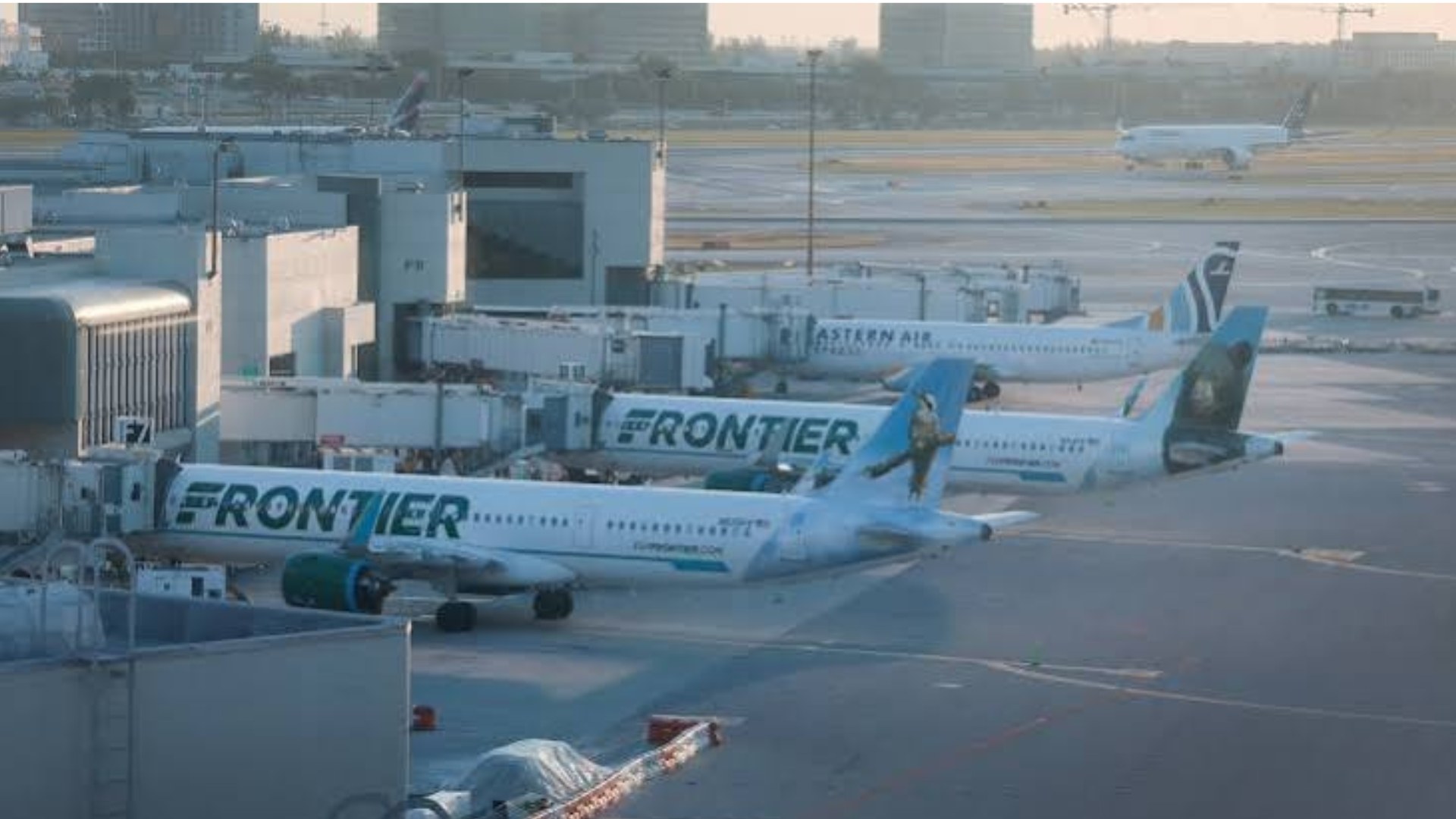
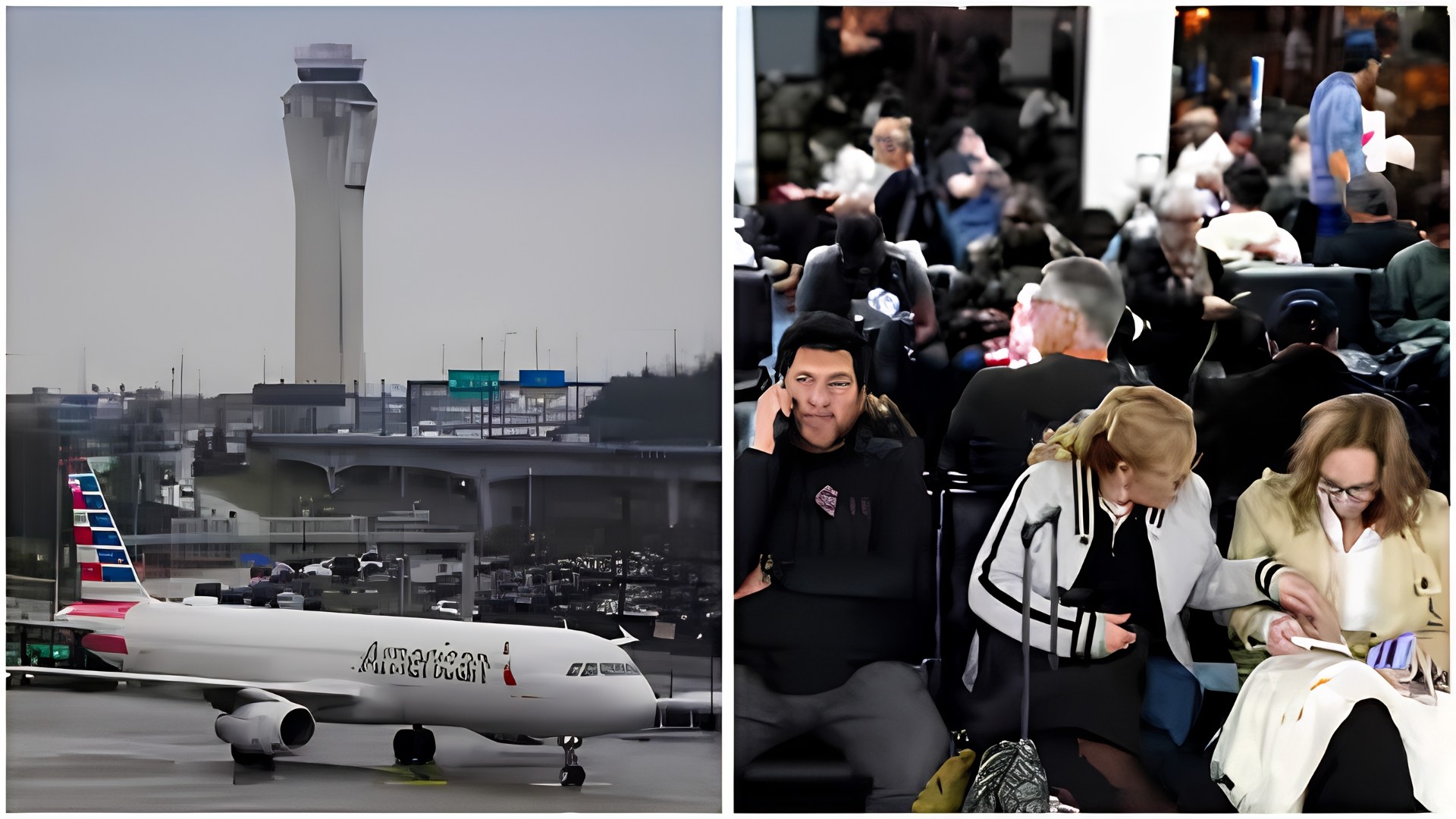
Air travel disruption across the United States continued for a third consecutive day on Sunday, November 15, as airlines struggled to restore normal operations following a nationwide ground stop imposed by the Federal Aviation Administration (FAA).

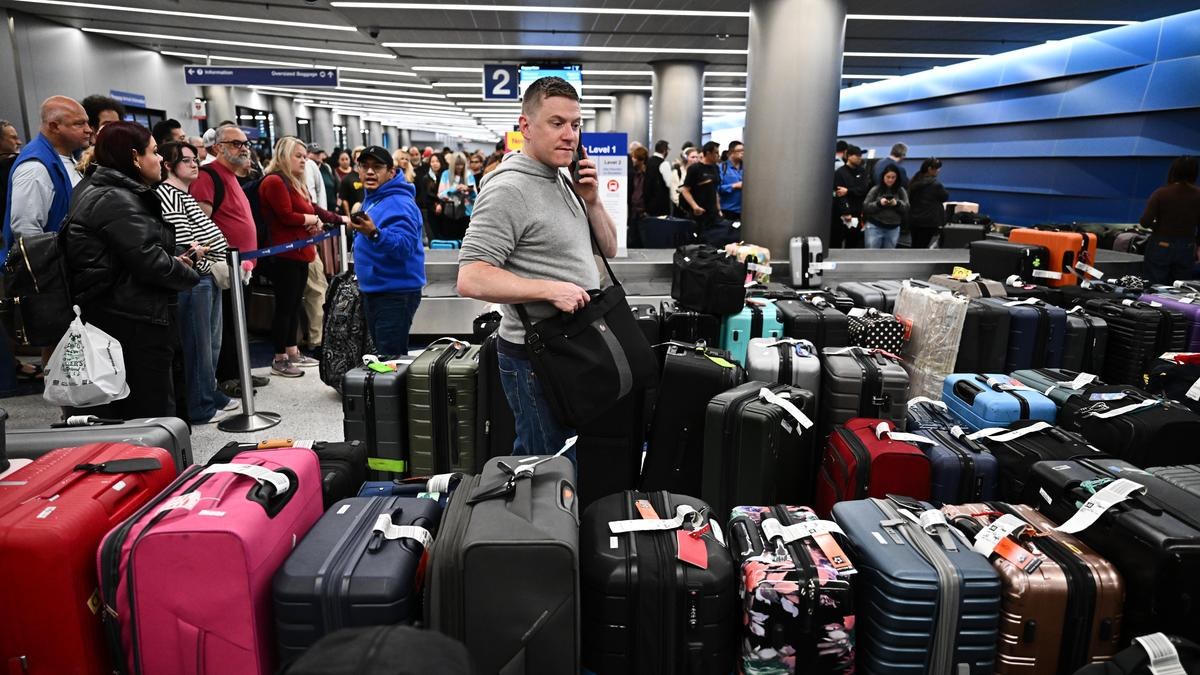
According to aviation data provider FlightAware, more than 2,300 flights were cancelled and approximately 7,700 delayed on Sunday. The disruption followed an even more difficult Saturday, when airlines cancelled over 6,400 flights and reported more than 8,000 delays.
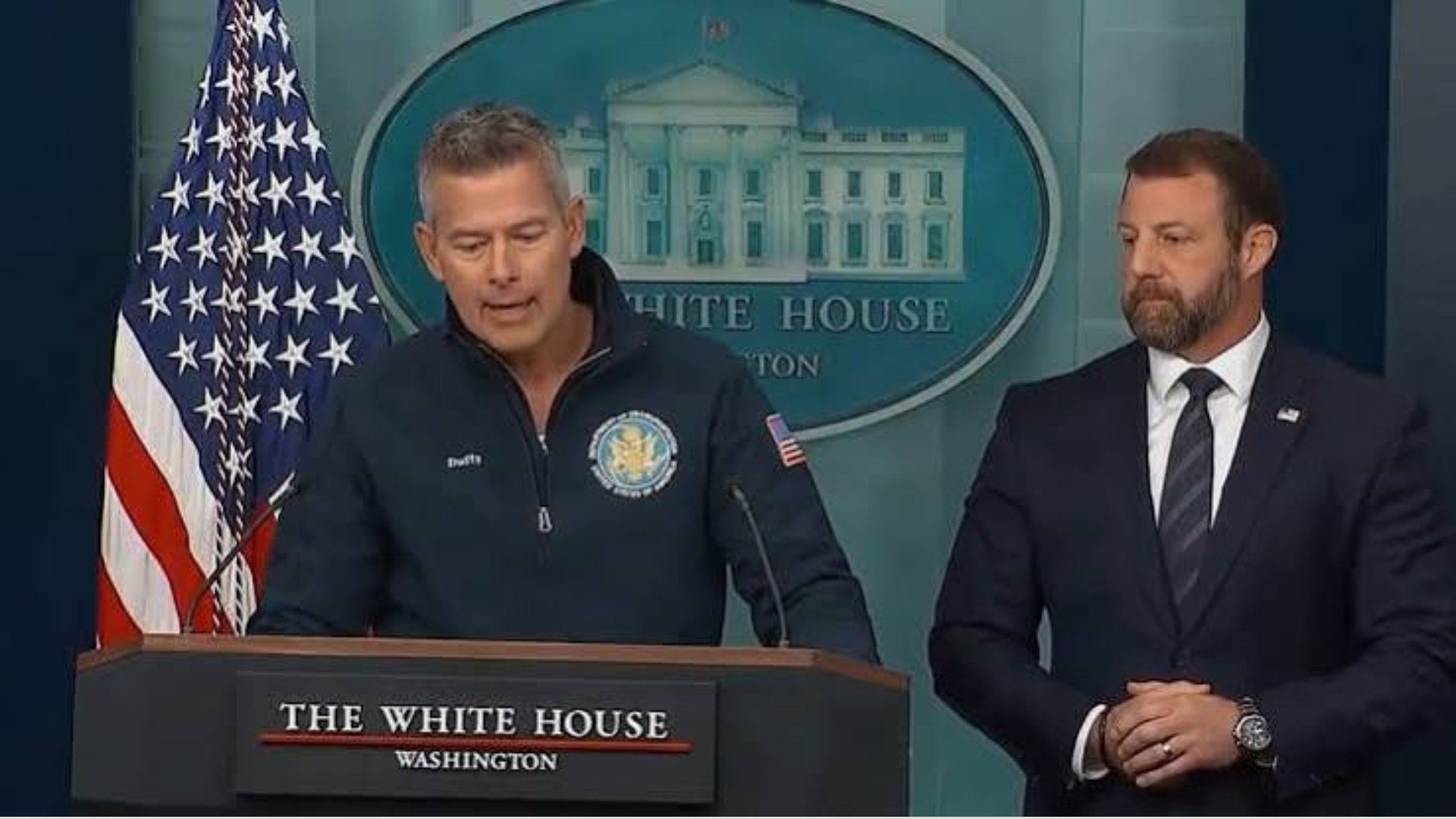
US Transportation Secretary Sean Duffy said airline operations could return to normal by Monday, although he acknowledged that the recovery was taking time. JetBlue recorded the highest cancellation rate among major carriers on Sunday, with 28% of its flights affected. American Airlines cancelled 17%, while United Airlines, Southwest and Delta reported cancellation rates between 3% and 5%.
Router problems triggered nationwide disruption
The disruption began on Friday, November 13, when the FAA ordered a nationwide ground stop that halted nearly all departing flights for almost five hours. The decision followed instability in communications and radar systems used by air traffic controllers.
Officials said maintenance work involving routers installed by FAA contractor L3Harris triggered a chain of problems across air traffic control centres. A router replacement at a facility in El Dorado, Arkansas, reportedly contributed to problems involving another router in Amarillo, Texas, causing excessive data traffic across the network.
The FAA disabled the functionality of the originating routers and took similar action involving around 60 other routers in its air traffic control system. However, officials said the precise technical cause had not yet been established.
Calls for modernisation grow
The incident has renewed concerns about ageing US air traffic control infrastructure, equipment and staffing shortages. Duffy has called for $50 billion to modernise the system, increasing his earlier request of $30 billion. Congress had approved $12.5 billion for upgrades in 2025.
President Donald Trump also called for additional funding, while Democratic lawmakers questioned why more money was needed when a substantial portion of the previously approved funding remained unspent.
The FAA has said there was no evidence of a cyberattack or deliberate sabotage, but its investigation into the technical failure remains ongoing.






0 comments
No comments yet. Yours would be the first.