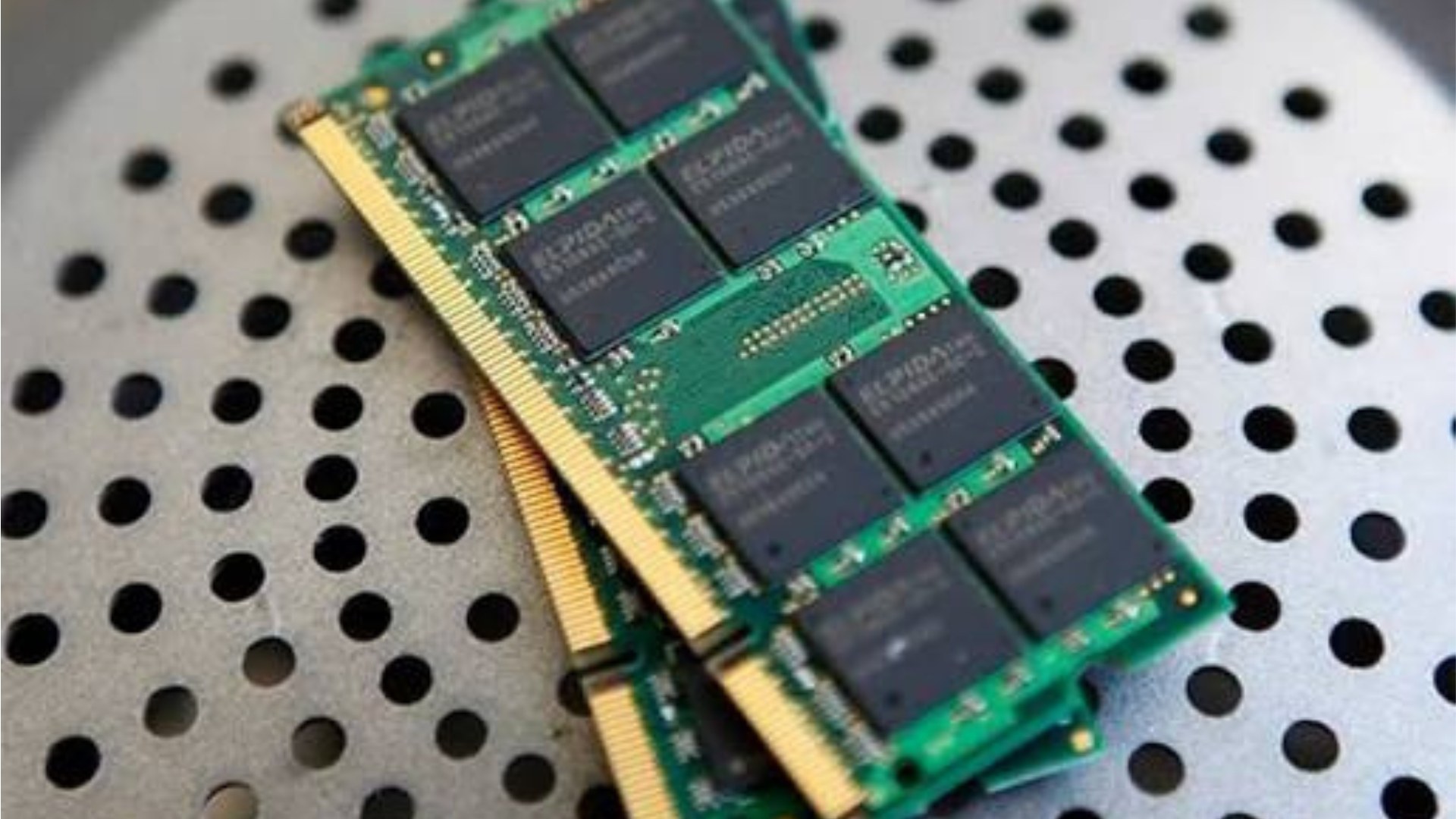
The United States has introduced new export controls aimed at preventing companies in China and other restricted markets from accessing advanced American artificial intelligence (AI) chips through overseas data centres.

The interim final rule was issued on November 16 by the Commerce Department's Bureau of Industry and Security (BIS). It seeks to close a regulatory gap that allowed overseas companies to rent computing capacity powered by US-made chips, even when direct exports of those chips to certain destinations were restricted.
Under the new measures, overseas data centres providing significant computing capacity to companies headquartered in China must obtain US export licences within 90 days to continue offering those services. Operators could face future export restrictions if they fail to comply. The rules also strengthen requirements to identify end users in sensitive markets.
The administration has also introduced additional licensing requirements for exports, re-exports and transfers of advanced semiconductors to Singapore, Thailand, Malaysia, Indonesia and Brazil. Washington has identified these countries as presenting a higher-than-normal risk of technology diversion to China.
The measures come amid growing scrutiny of how Chinese companies obtain access to advanced computing resources through third-country facilities. Singapore-based cloud provider Megaspeed, which has faced questions over possible diversion of Nvidia chips to China, has been among the companies attracting attention. Megaspeed has said it complies with applicable laws and US export-control requirements.
The Commerce Department said the rule was designed to prevent existing restrictions from being bypassed through remote computing arrangements. It also formally rescinds a Biden-era regulation that had sought to limit global access to advanced AI chips through a separate licensing framework.
The decision reflects Washington's effort to extend semiconductor export controls beyond physical shipments and address the growing role of cloud computing in access to advanced AI infrastructure.








0 comments
No comments yet. Yours would be the first.