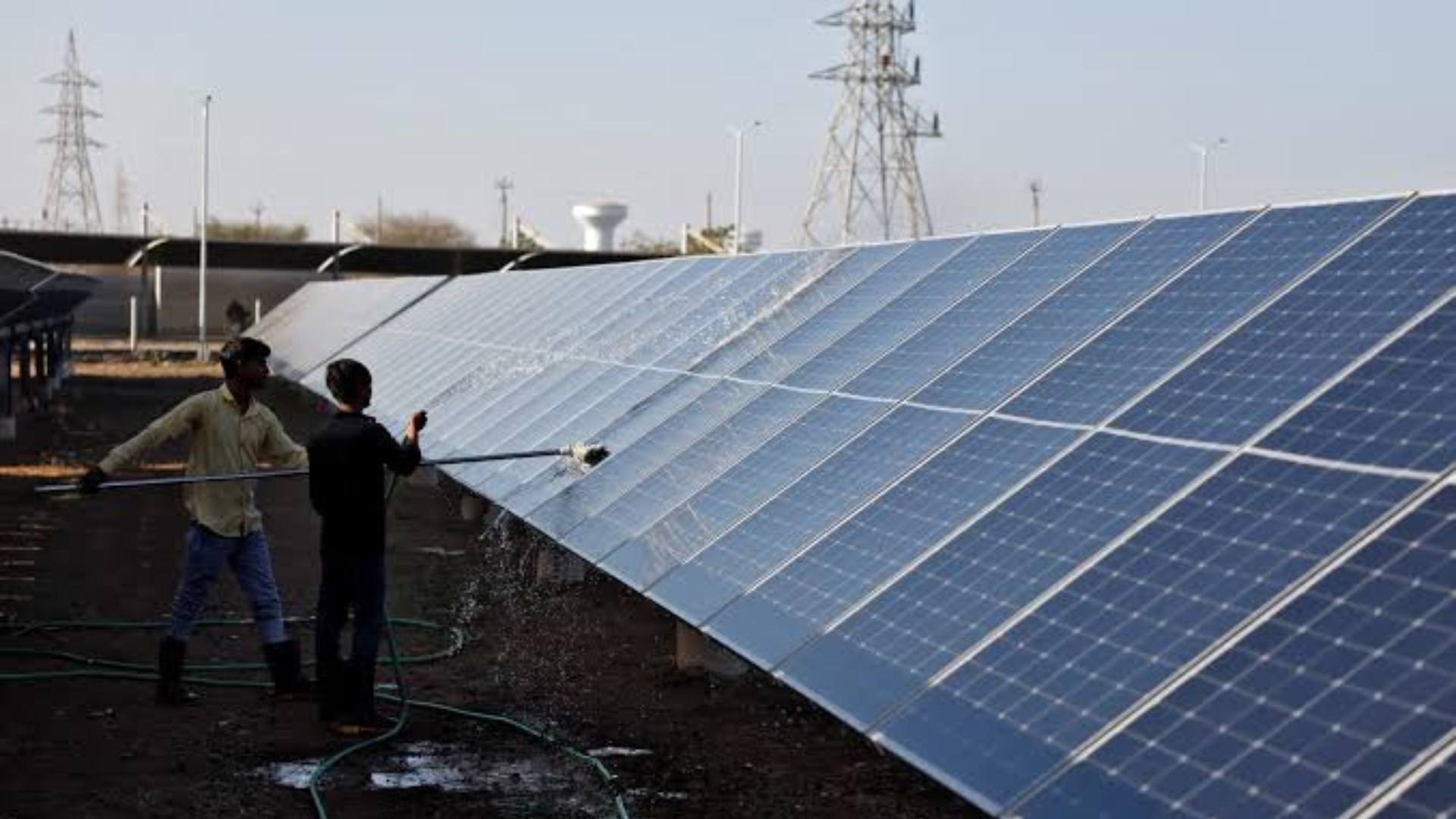
Indian solar manufacturers are exploring partnerships with German and other international equipment suppliers as China proposes restrictions on exports of key solar manufacturing technologies. The move has raised concerns about India's dependence on Chinese machinery and its plans to develop a self-reliant solar manufacturing industry.

Indian manufacturers are looking beyond China for equipment and technical partnerships, with Germany emerging as a key alternative. Companies are also exploring suppliers in Japan, South Korea, Taiwan and other European markets.
China’s proposed restrictions raise concerns
China proposed controls covering 12 solar photovoltaic manufacturing technologies. These include selected processes and equipment used to produce polysilicon, thin silicon wafers and advanced solar cells, including TOPCon, heterojunction and back-contact technologies.
The proposed measures also cover certain emerging technologies, such as perovskite and tandem solar cells. They target specified manufacturing technologies and technical know-how, rather than imposing a blanket ban on exports of finished solar panels.
Germany offers an alternative, but costs remain a challenge
Indian manufacturers are considering partnerships with German equipment suppliers, including Centrotherm and RENA Technologies, to reduce dependence on Chinese production lines.
However, industry executives have cautioned that Germany may not have the capacity to meet India's demand at the required scale. Equipment sourced from European suppliers could also cost 40-50% more, potentially increasing project expenses and extending the time required to recover investments.
India’s supply-chain dependence
India has expanded its solar module manufacturing capacity, but domestic production of key upstream components such as polysilicon, ingots and wafers remains limited.
The challenge is not restricted to solar manufacturing. India's battery industry also depends on imported machinery and technology, particularly from China.
Industry representatives say diversifying suppliers and developing domestic engineering capabilities will be important for reducing these vulnerabilities. However, building a competitive local manufacturing ecosystem could take several years.






0 comments
No comments yet. Yours would be the first.