
Suicide prevention in Adivasi communities may require approaches that go beyond conventional clinical care and recognise the importance of language, culture, community relationships and social belonging. A recent discussion on Adivasi mental health highlights how displacement and separation from familiar social and cultural environments can deepen distress.
The issue is illustrated through the experience of a young mathematics graduate from Jharkhand who struggled after receiving a job that would require him to leave his village. His growing anxiety about separation from his parents, friends and familiar way of life was followed by withdrawal, feelings of helplessness and a suicide attempt.
Such experiences underline the importance of understanding distress within its social and cultural context. Research on mental health among tribal populations in India remains limited, with relatively few community-based studies focusing specifically on tribal communities. A systematic review found that existing research has examined conditions including depression, anxiety, alcohol-related problems and suicide, but also highlighted gaps in the evidence base.
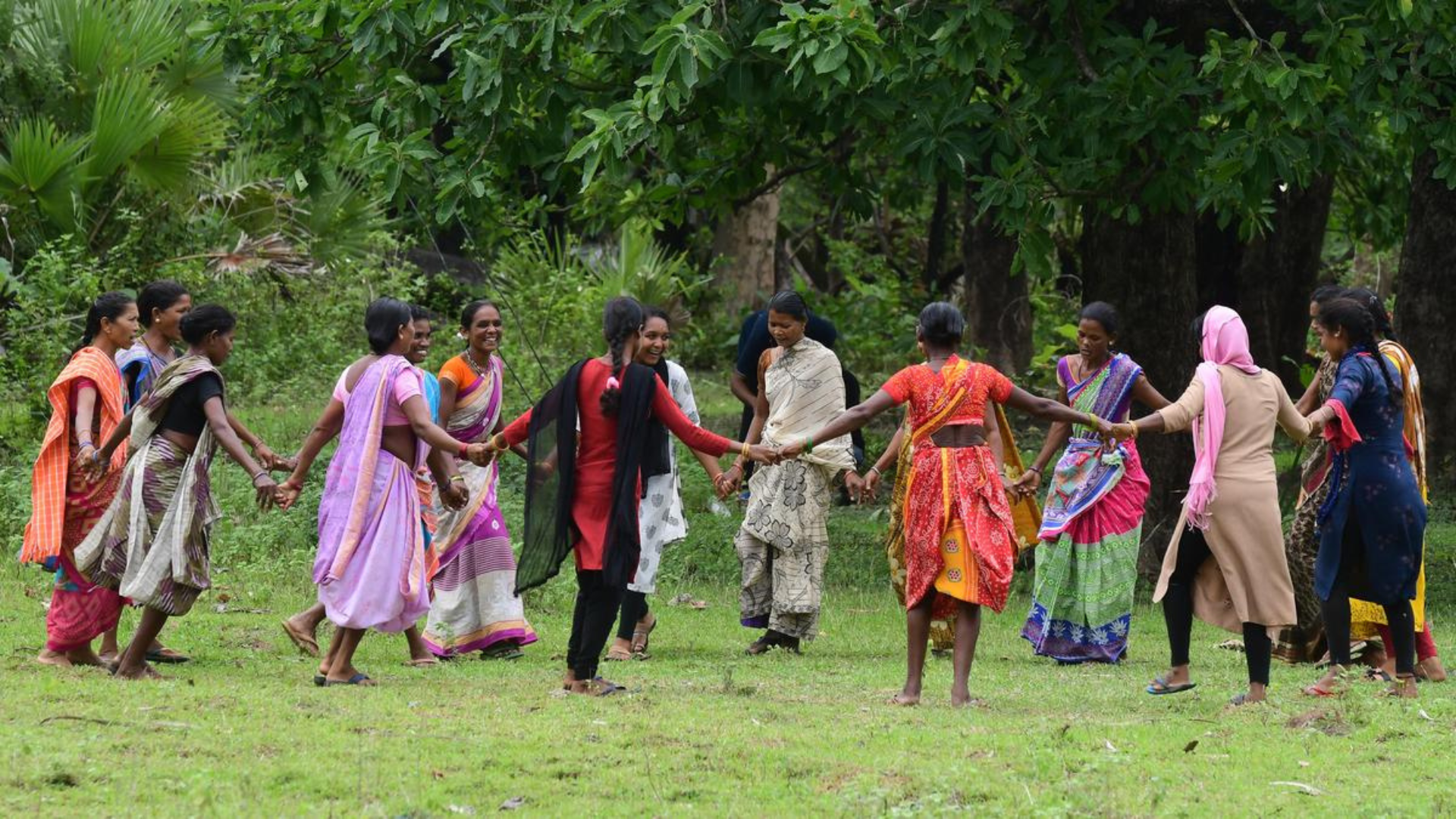
Community support can play an important role in creating spaces where people can discuss distress without stigma. Recent consultations on Adivasi mental health have highlighted the value of connecting young people with elders and community leaders, creating spaces for vulnerability, and exploring culturally meaningful activities such as folklore and sports.
Research from other Indian communities has similarly found that social support, cultural factors and a sense of belonging can influence recovery and coping after suicide-related experiences.
For Adivasi communities, suicide prevention therefore needs to combine accessible mental-health services with community-led approaches that respect local knowledge, cultural practices and social networks.





0 comments
No comments yet. Yours would be the first.