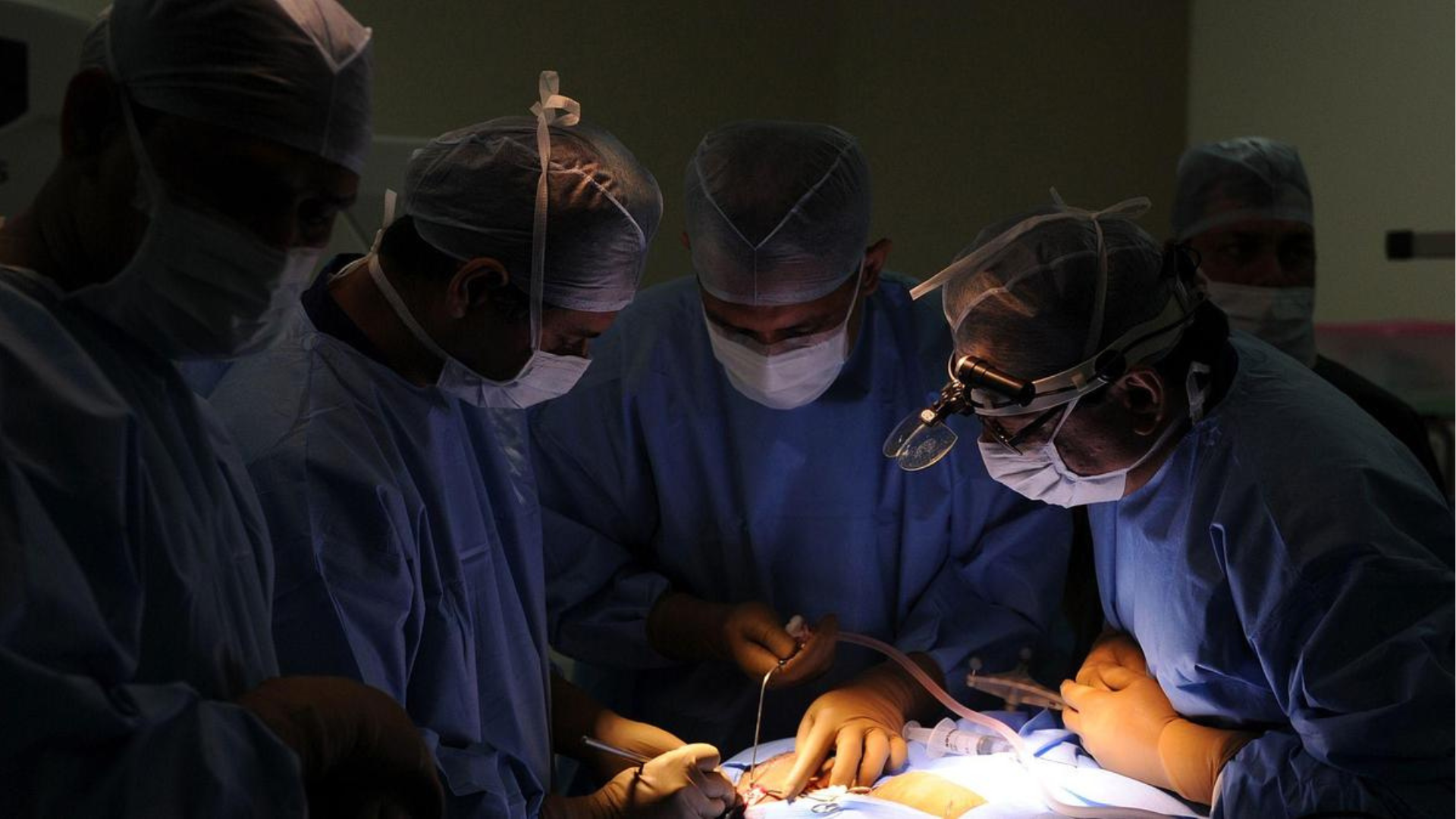
Vietnam has withdrawn a proposal allowing children aged 15 to 17 to donate their organs after death, following public criticism over concerns about child protection and consent. The decision was announced on Monday, November 2, after the government revised a draft law on organ and tissue donation. The earlier proposal would have allowed minors to register as posthumous donors with the consent of a parent or legal representative. The revised draft now stipulates that only adults aged 18 and above may register to donate their organs after death. The change follows concerns that parental consent might not be sufficient to protect children from pressure or exploitation. Criticism also focused on a survey conducted among schoolchildren as young as seven to gather feedback on the proposed law. Some questioned whether children could fully understand the complex medical, legal and ethical implications of organ donation. Vietnam is seeking to update its organ donation legislation to increase the availability of life-saving transplants while protecting donors. The country began kidney transplants in 1992 and reportedly performs the highest number of annual transplants in the region. However, most transplants in Vietnam rely on living donors, unlike many countries where deceased donors provide a significant share of organs. The revised draft continues to allow minors to donate regenerative tissue, such as bone marrow or stem cells, to family members in limited circumstances when no suitable adult donor is available. Such donations would require medical assessments, counselling and consent from both the child and their legal representative. The draft law is expected to be considered by Vietnam’s National Assembly this month.







0 comments
No comments yet. Yours would be the first.