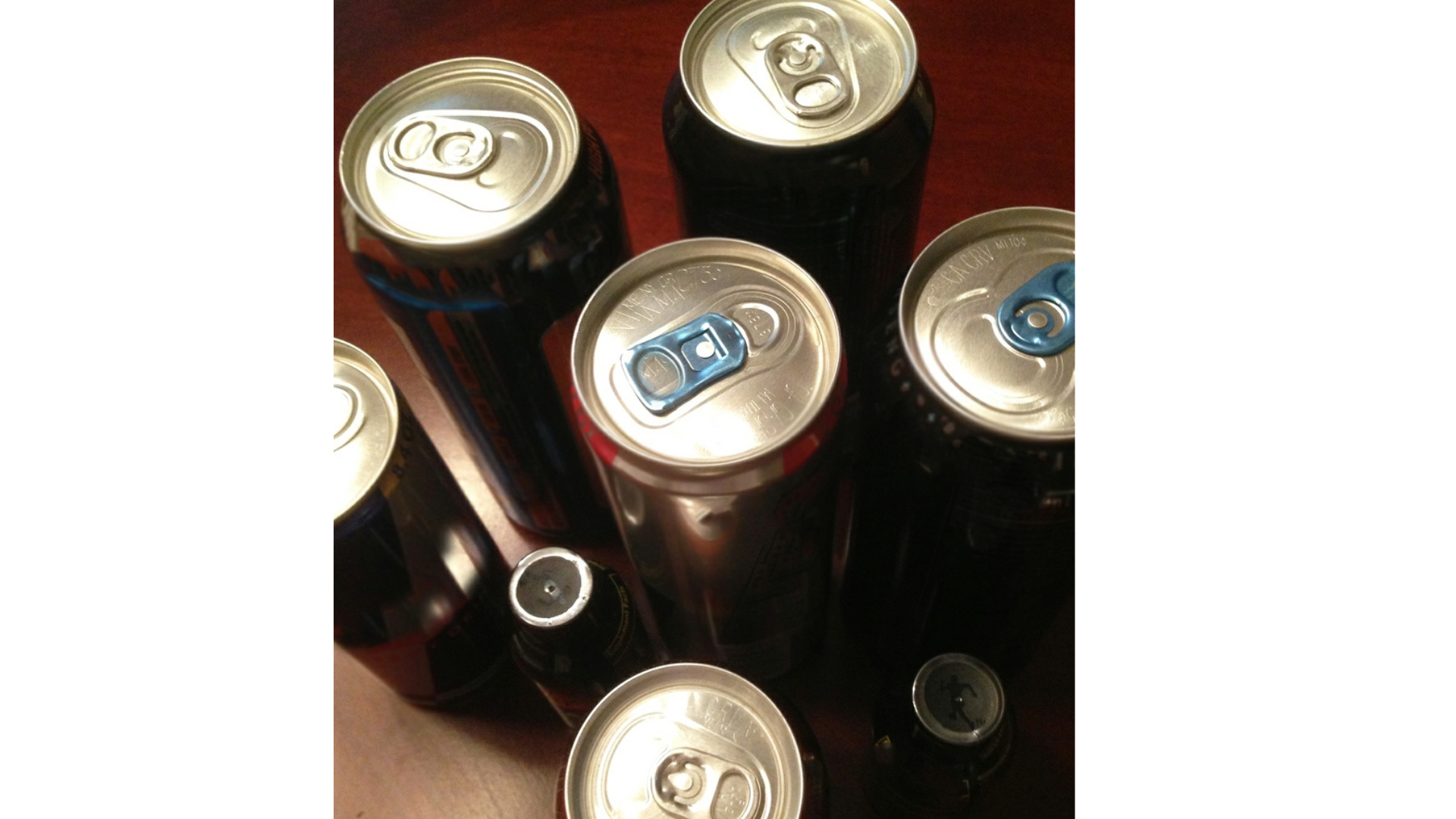
Energy drinks and stimulant supplements were disproportionately represented in reports of serious cardiovascular events among young adults, including cardiac arrest and heart attacks, according to preliminary research to be presented at the American Heart Association’s Scientific Sessions 2026. Researchers analysed 28,345 reports submitted to a US Food and Drug Administration (FDA) safety database between 2017 and 2025. Of these, 854 involved products containing caffeine or other stimulants, while 27,491 concerned products without such ingredients. Cardiac arrest was reported approximately 11 times more often in connection with caffeine- and stimulant-containing products. Reports involving these products were around 4.5 times more likely to include heart attacks and four times more likely to mention ventricular arrhythmias or heart palpitations. Chest pain, elevated heart rate and fainting were also reported more frequently. Around 45% of the reports involving cardiovascular events and stimulant products concerned adults aged 18 to 34. Researchers said the findings highlight the need for more systematic safety monitoring. They also recommended that healthcare professionals ask younger patients experiencing palpitations, chest pain or fainting about their use of energy drinks and stimulant supplements. However, the analysis cannot establish that the products caused the reported events. The database contains voluntary reports, and researchers could not determine how many people consumed these products without experiencing health problems or how many events went unreported. The study is a research abstract scheduled for presentation at the American Heart Association’s Scientific Sessions, taking place November 6–9 in Chicago. The findings are preliminary and have not undergone peer review as a full scientific paper. Researchers said further studies are needed to better understand the potential cardiovascular effects of energy drinks and other stimulant-containing products.








0 comments
No comments yet. Yours would be the first.