
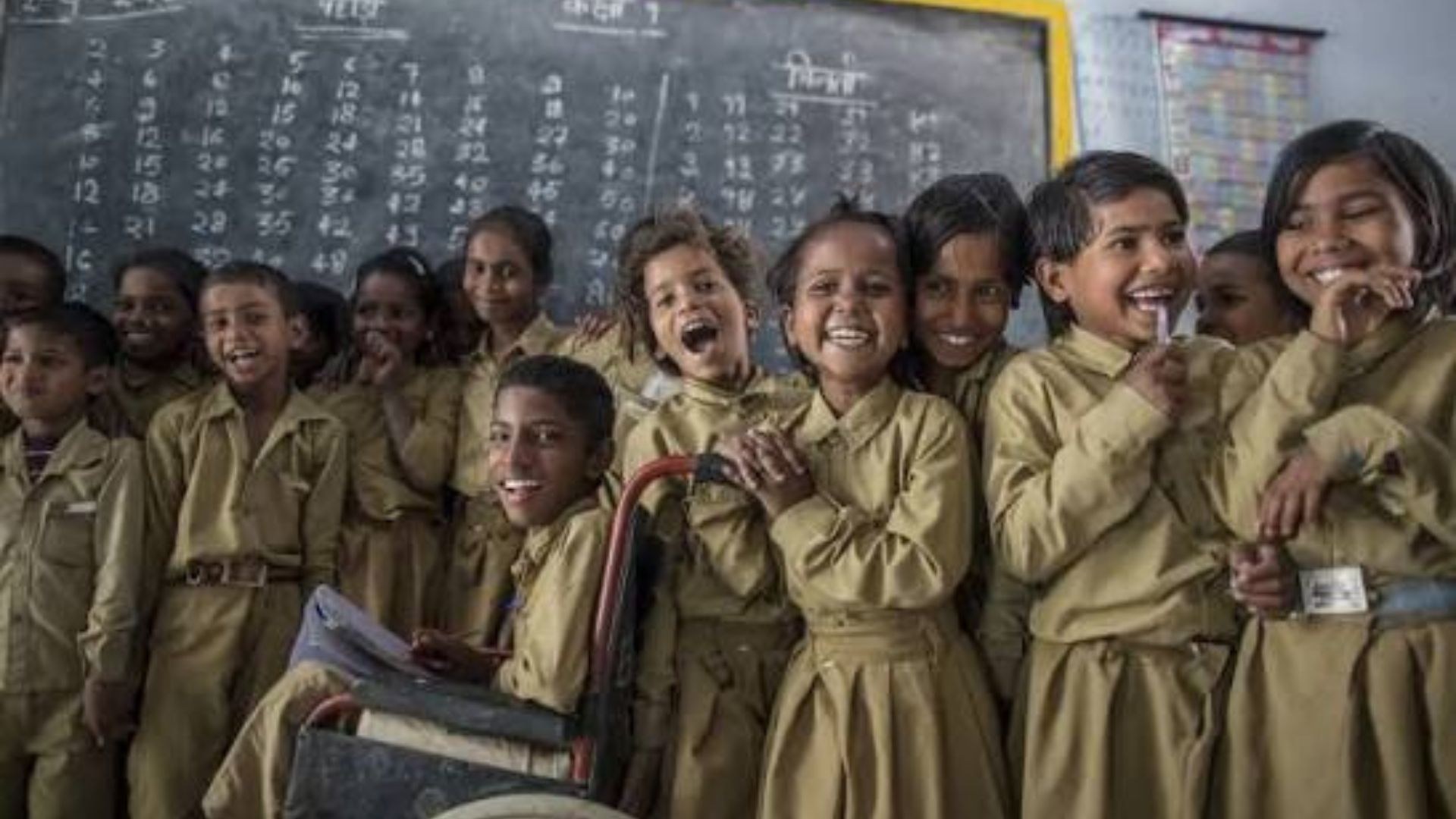
UNICEF is working to help children across India access inclusive, equitable and quality education, with particular attention to girls, disadvantaged communities and children who face barriers to learning. Although India has expanded school enrolment and improved access to elementary education, challenges remain in school retention, early childhood education and learning outcomes.

Measures such as the Right of Children to Free and Compulsory Education Act, 2009, and the National Early Childhood Care and Education Policy, 2013, have supported efforts to strengthen education access. However, historical surveys cited by UNICEF highlight persistent gaps. Data from 2014 estimated that 6.1 million children were out of school, while learning assessments found that many primary school students were not achieving grade-appropriate skills.
UNICEF’s education programme identifies three priority areas: early childhood education, reducing the number of out-of-school children, and improving the quality of teaching and learning. The programme aims to strengthen foundational learning and life skills while helping children progress at levels appropriate to their age and grade.
To advance these goals, UNICEF collaborates with the Government of India, state governments, civil society organisations, academic institutions and private-sector partners. Its work also involves coordination with departments responsible for women and children, tribal communities, minorities, social justice and disaster management.
Key objectives include increasing enrolment in early childhood education, reducing the number of out-of-school children in states with high concentrations of them, and creating better learning environments.
By focusing on access as well as educational quality, UNICEF aims to ensure that children from marginalised backgrounds have greater opportunities to participate in school and develop the skills needed for their future.


0 comments
No comments yet. Yours would be the first.