
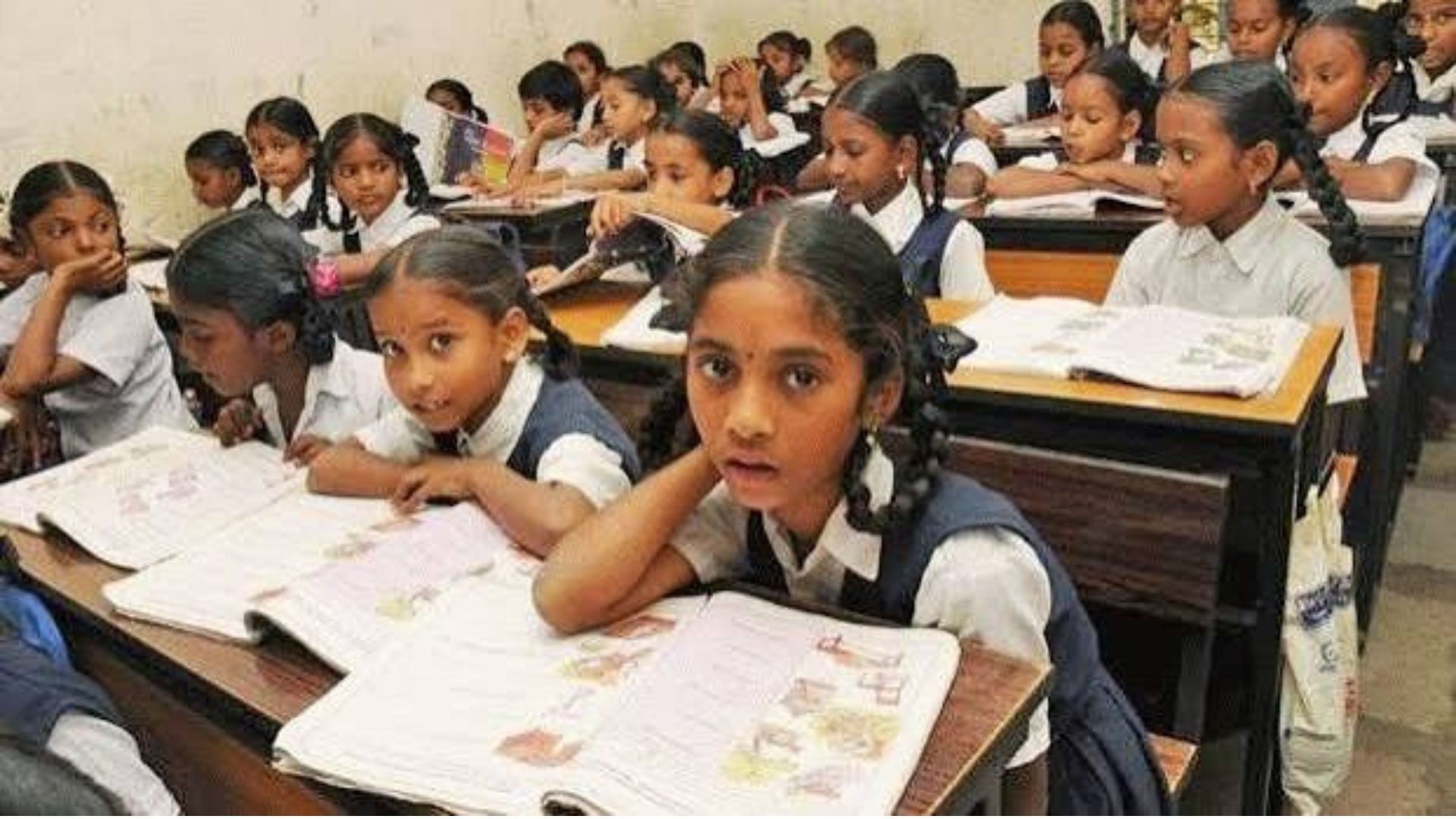
India's three-language formula continues to raise questions about educational policy, inclusion and classroom practicality. While learning additional languages can help students develop communication skills and understand different cultures, schools must also consider whether they have enough time, teachers and resources to introduce another subject effectively.

The debate has gained attention amid concerns about the pressure already placed on students and teachers by existing school curricula. For many children, particularly first-generation learners, studying in a language different from the one spoken at home can already be challenging.
Adding another language without adequate planning could increase the learning burden and create difficulties for schools with limited teaching capacity.
A more practical approach would be to introduce the third language through two activity-based periods each week, without formal examinations during the initial years. This approach could allow children to become familiar with a new language through conversation, games, songs and other interactive activities rather than immediately focusing on written assessments.
However, implementation would need to depend on schools' readiness. Institutions should introduce such classes only when they have adequate teachers and the necessary learning resources.
The discussion highlights an important consideration for education policymakers: language learning should expand students' opportunities without compromising their foundational education or adding unnecessary pressure. A flexible, gradual approach could help schools balance multilingual learning with the realities of classroom time, staffing and student needs.
Important Links:
-
Ministry of Education, Government of India: https://www.education.gov.in/
-
National Council of Educational Research and Training (NCERT): https://ncert.nic.in/




0 comments
No comments yet. Yours would be the first.