
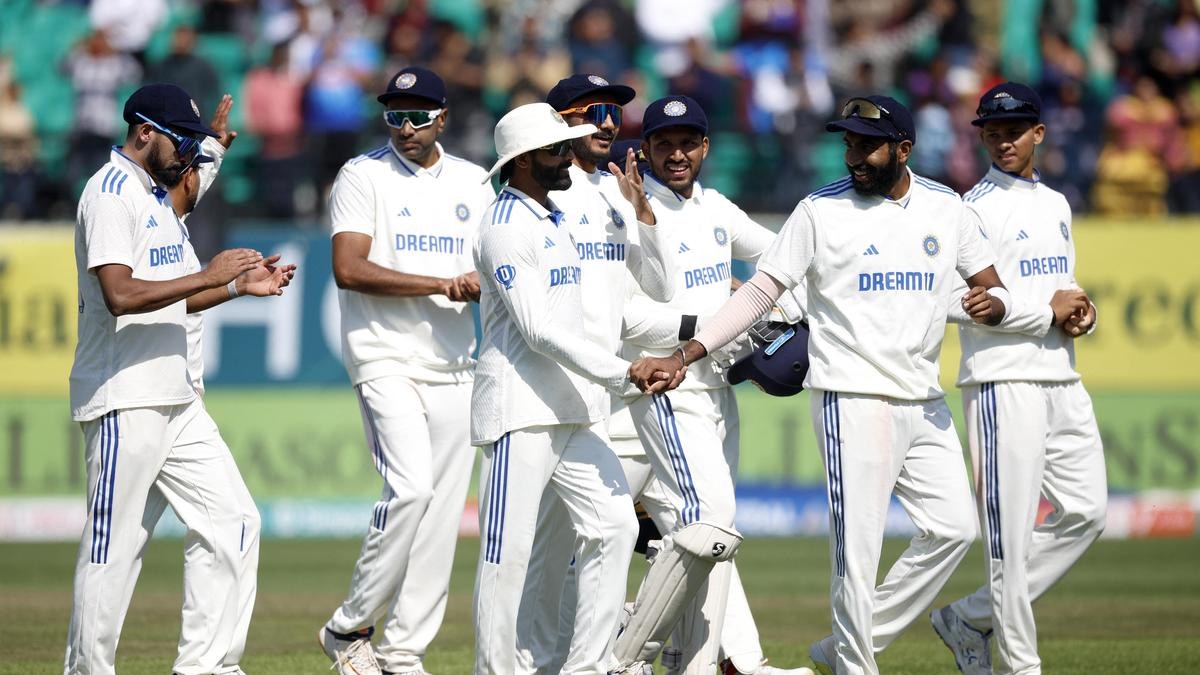
The question of whether Test cricket can survive in the modern era continues to spark debate. Once considered the pinnacle of the sport, the five‑day format is now often viewed as a stepping stone to the more lucrative and fast‑paced T20 cricket.

Every generation has questioned Test cricket’s relevance. In the 19th and 20th centuries, the rise of motor cars, trains, and aircraft symbolised a faster pace of life, leading many to predict the demise of the long format. Yet, Test cricket endured, celebrated for its elegance and depth.
Today, the challenge lies in sustaining the format amid rapid societal change and television’s preference for shorter matches. The World Test Championship (WTC) has injected some relevance, offering teams a tangible prize and fans a structured competition. However, critics argue that with only nine of the 12 full‑member nations participating, the system remains exclusive and vulnerable to manipulation.
India’s vast fan base, Australia’s consistent results, and England’s deep tradition provide hope for Test cricket’s survival. But whether these pillars are enough to sustain the format in an era dominated by T20 leagues remains uncertain.
Supporters insist that Test cricket’s unique charm lies in its endurance, strategy, and storytelling — qualities that no other format can replicate. Its survival may depend on balancing tradition with innovation.



0 comments
No comments yet. Yours would be the first.